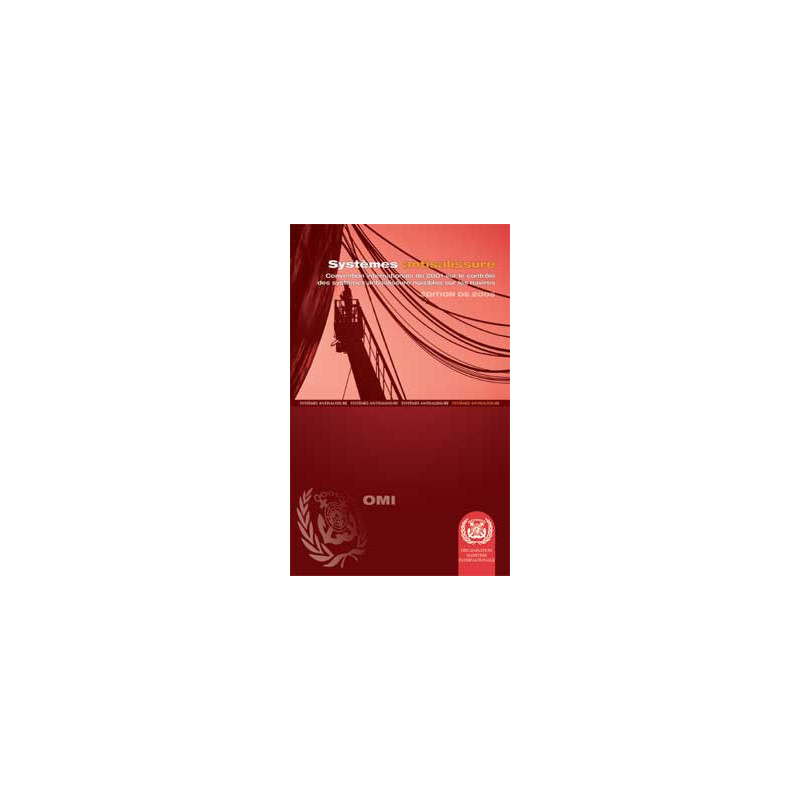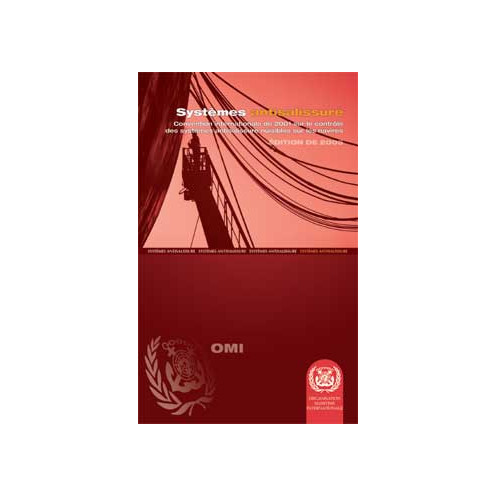




Comprehensive guide to the 2001 AFS Convention in French. This paper edition covers anti-fouling system regulations, environmental safeguards, and official resolutions for ships worldwide.
Data sheet
Specific References
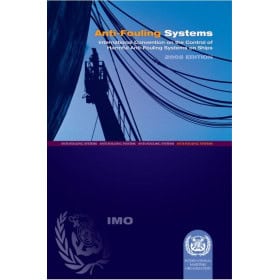
The IMO 2001 International Convention on the Control of Harmful Anti-Fouling Systems on Ships is a cornerstone regulation for the maritime industry, addressing the environmental and operational risks posed by toxic anti-fouling systems. This publication provides the complete text of the convention, adopted to eliminate the use of harmful compounds like tributyltin (TBT) in ship coatings. Designed for shipowners, operators, and maritime authorities, it ensures compliance with global environmental standards while safeguarding marine ecosystems from hazardous substances.
This official document outlines the legal obligations under the AFS Convention, including the prohibition of organotin-based anti-fouling systems and the implementation of alternative, eco-friendly solutions. It incorporates key resolutions from the 2001 IMO International Conference, along with technical guidelines for inspections, sampling procedures, and certification requirements. By consolidating these regulations into a single reference, the publication streamlines compliance efforts for maritime stakeholders worldwide.
The convention’s primary objective is to mitigate the adverse effects of anti-fouling systems on marine life and coastal environments. It establishes a global framework for monitoring and controlling ship coatings, ensuring that vessels adhere to environmentally responsible practices. With the phase-out of TBT and other harmful biocides, the maritime industry can reduce pollution while maintaining operational efficiency—a critical balance for sustainable shipping.
Beyond the legal text, this edition includes practical directives for enforcing the convention’s provisions. Maritime professionals will find detailed protocols for verifying compliance, conducting inspections, and issuing certifications. The publication also serves as a training resource for crews, surveyors, and port state control officers, ensuring consistent application of the regulations across international waters.
Published in 2005, this paperback edition remains an indispensable tool for navigating the complexities of anti-fouling regulations. Whether used for regulatory compliance, training, or reference, it provides the clarity and precision needed to meet international maritime standards. A digital version is also available, offering flexibility for professionals who prefer electronic access.
Protect Your Vessels and the Environment with the IMO 2001 Anti-Fouling Convention
The IMO 2001 International Convention on the Control of Harmful Anti-Fouling Systems on Ships is the definitive regulatory text for maritime professionals seeking to comply with global environmental standards. This publication delivers the full legal framework of the AFS Convention, adopted to eliminate the use of toxic anti-fouling compounds like tributyltin (TBT) and promote sustainable shipping practices. With its focus on environmental protection and operational safety, this document is a must-have for shipowners, operators, and maritime authorities worldwide.
Complete Legal and Technical Reference
This official IMO publication reproduces the convention’s text in its entirety, along with resolutions from the 2001 International Conference and technical guidelines for implementation. It covers critical aspects such as the prohibition of harmful anti-fouling systems, inspection protocols, sampling procedures, and certification requirements. By consolidating these regulations into a single, authoritative source, the document simplifies compliance efforts and ensures alignment with international maritime law.
Designed for Real-World Application
Beyond legal provisions, this edition provides actionable guidance for enforcing the convention’s requirements. Maritime professionals will find step-by-step instructions for conducting inspections, verifying compliance, and issuing certifications. The publication also serves as a training tool for crews and surveyors, ensuring consistent application of anti-fouling regulations across the global fleet. With its clear, structured format, it bridges the gap between regulatory theory and practical implementation.
Environmental Stewardship Meets Operational Efficiency
The AFS Convention was established to address the severe ecological impact of toxic anti-fouling systems, particularly those containing organotin compounds. By phasing out these harmful substances, the convention helps protect marine ecosystems while enabling ships to maintain performance and fuel efficiency. This publication empowers maritime stakeholders to adopt eco-friendly coatings and practices, reducing pollution without compromising operational effectiveness.
Reliable and Accessible Format
Published in 2005, this paperback edition is a durable and portable resource for professionals in the field. Weighing just 1.8 kg, it is designed for easy reference on board ships, in offices, or during training sessions. For those who prefer digital access, a secure electronic version is also available, compatible with the IMO’s free reader software. Whether in print or digital form, this publication remains an essential tool for navigating the evolving landscape of maritime environmental regulations.
This official publication of the IMO 2001 International Convention on the Control of Harmful Anti-Fouling Systems on Ships is presented in a paperback format, ensuring durability and ease of use. Weighing 1.8 kg, it is designed for practical reference in both office and field settings. The document is entirely in French, providing clear and accessible regulatory guidance for French-speaking maritime professionals. As the authoritative text of the AFS Convention, it includes the full legal framework, conference resolutions, and technical guidelines for compliance.
The publisher of this document is a leading intergovernmental organization dedicated to regulating international shipping and ensuring maritime safety and environmental protection. With a global mandate, it develops and maintains conventions, codes, and guidelines that shape the maritime industry. Its publications are trusted by governments, shipping companies, and maritime professionals worldwide as the definitive source for compliance and best practices.
The convention aims to control and eventually eliminate the use of harmful antifouling systems on ships, particularly those containing organotin compounds like tributyltin (TBT), to protect the marine environment.
Yes, it includes directives for inspections, sampling, and certification of antifouling systems to ensure compliance with the convention.
Yes, a digital version exists in a locked format, readable with the free IMO e-reader.
The convention was adopted in 2001 during an IMO international conference.
The printed edition weighs 1.8 kg.
Yes, the publication reproduces the text of the convention along with the conference resolutions and developed guidelines.
You might also like