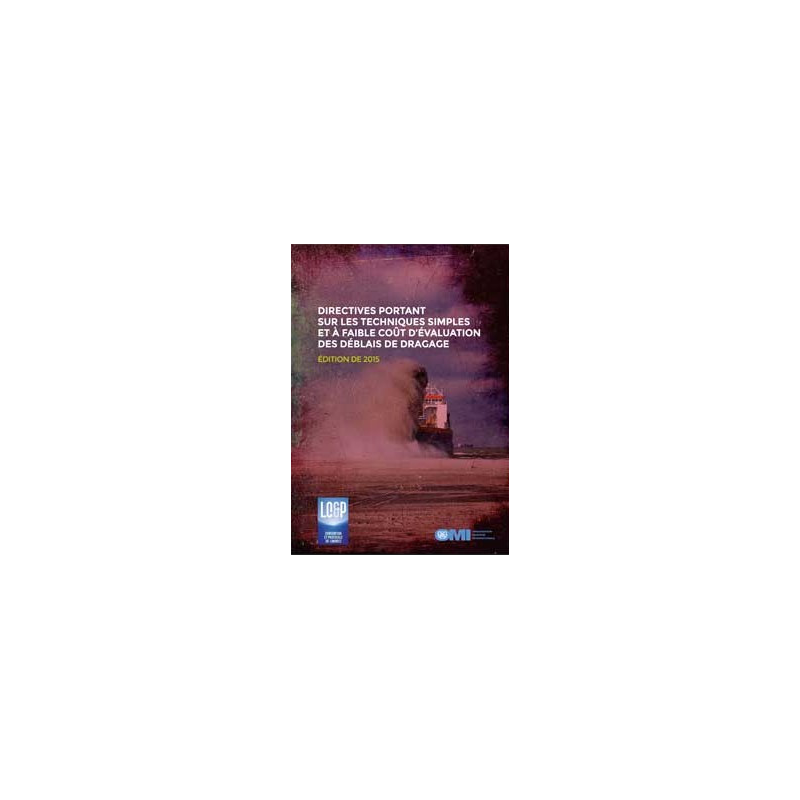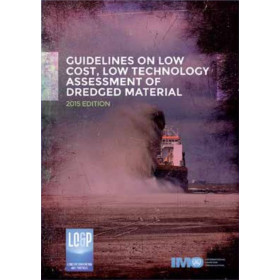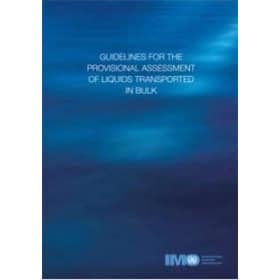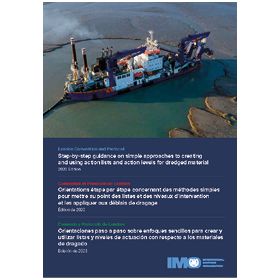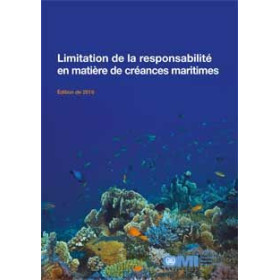



Essential guidelines for low-cost and simple techniques to assess dredged materials, ensuring compliance with waste assessment frameworks. Ideal for environmental and maritime professionals.
Data sheet
Specific References
This comprehensive guide delivers practical, cost-effective solutions for assessing dredged materials in compliance with international maritime standards. Designed for professionals in the maritime industry, it provides actionable methodologies to evaluate dredged spoils using straightforward, low-technology approaches. Whether you're involved in port maintenance, environmental compliance, or waste management, this publication equips you with the tools to make informed decisions while minimizing operational costs.
The guidelines outlined in this publication align with the Waste Assessment Guidelines (WAG) established by the International Maritime Organization (IMO). It offers a structured approach to characterizing dredged materials, ensuring that assessments are both efficient and compliant with global maritime regulations. By leveraging simple, low-cost techniques, maritime professionals can streamline the evaluation process without compromising accuracy or regulatory adherence.
This publication details step-by-step procedures for low-cost sampling, testing, and data collection tailored to dredged materials. It covers essential aspects such as sample preparation, field testing, and laboratory analysis, all while emphasizing affordability and accessibility. The guidelines also include best practices for documenting findings, ensuring that all assessments are thorough, traceable, and ready for regulatory review.
Selecting the right disposal site is critical to minimizing environmental impact and ensuring compliance with maritime regulations. This guide provides clear criteria for evaluating potential disposal sites, helping professionals identify locations that meet both operational and environmental requirements. Additionally, it offers insights into low-cost monitoring techniques to track disposal activities, ensuring ongoing compliance and enabling continuous improvement through feedback and experience-based surveys.
Beyond initial assessments, this publication emphasizes the importance of post-disposal monitoring and feedback loops. By implementing simple, cost-effective monitoring strategies, maritime professionals can gather valuable data to refine future decision-making. This iterative approach ensures that dredging and disposal practices evolve in line with regulatory standards and environmental best practices, fostering long-term sustainability in maritime operations.
Tailored for engineers, environmental specialists, port authorities, and regulatory bodies, this guide is an indispensable resource for anyone involved in dredging operations. Its practical focus on low-cost, low-technology solutions makes it accessible to organizations of all sizes, ensuring that even those with limited resources can achieve compliance and operational efficiency. Whether you're managing a small port or a large maritime infrastructure project, these guidelines provide the foundation for effective dredged material assessment.
Optimize Dredged Material Assessments with Cost-Effective, Compliant Techniques
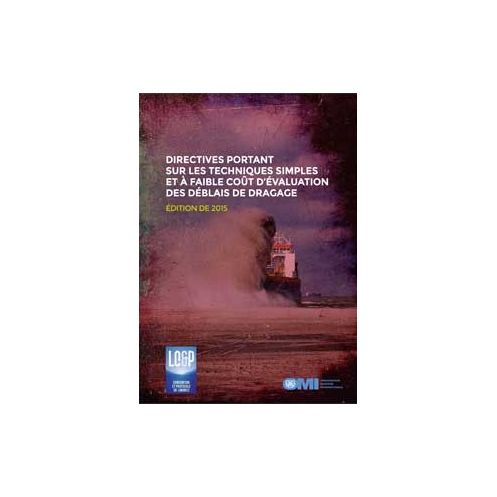
Discover the *IMO 2015 Guidelines on Simple and Low-Cost Techniques for Dredged Material Assessment*, a must-have resource for maritime professionals seeking efficient, budget-friendly solutions for evaluating dredged spoils. This printed publication, available in French, provides a comprehensive framework for conducting assessments in line with the International Maritime Organization’s Waste Assessment Guidelines (WAG). Designed to simplify compliance without sacrificing accuracy, it offers practical methodologies that leverage low-technology tools and straightforward procedures, making it ideal for organizations of all sizes.
Streamlined Sampling and Testing for Regulatory Compliance
This guide equips you with step-by-step instructions for low-cost sampling, testing, and data collection, ensuring that your assessments meet international standards. It covers everything from field sampling techniques to laboratory analysis, with a focus on affordability and ease of implementation. The publication also emphasizes the importance of thorough documentation, providing templates and best practices to ensure your findings are well-documented and ready for regulatory review. By following these guidelines, you can reduce operational costs while maintaining the highest levels of compliance.
Informed Disposal Site Selection and Monitoring
Choosing the right disposal site is a critical step in the dredging process, and this publication offers clear criteria to help you make informed decisions. It provides guidance on evaluating potential sites based on environmental, operational, and regulatory factors, ensuring that your disposal practices are both efficient and sustainable. Additionally, the guide includes low-cost monitoring techniques to track disposal activities, enabling you to gather valuable data for continuous improvement. With these tools, you can enhance your decision-making process and ensure long-term compliance with maritime regulations.
Enhance Operational Efficiency with Feedback-Driven Improvements
Beyond initial assessments, this publication highlights the importance of post-disposal monitoring and feedback loops. By implementing simple, cost-effective monitoring strategies, you can gather insights to refine your dredging and disposal practices over time. This iterative approach ensures that your operations remain aligned with evolving regulatory standards and environmental best practices, fostering sustainability and efficiency in maritime projects.
This printed edition of the *IMO 2015 Guidelines on Simple and Low-Cost Techniques for Dredged Material Assessment* is designed for durability and ease of use. Weighing 1.8 kg, it is a substantial yet manageable resource for professionals in the field. The publication is presented in a standard paper format, ensuring compatibility with standard bookshelves and workspaces. Written entirely in French, it provides clear, accessible guidance for French-speaking maritime professionals, making it an essential addition to any maritime library.
With decades of expertise in maritime regulation and industry standards, this organization is a globally recognized authority in the development of guidelines and best practices for the maritime sector. Their publications are trusted by professionals worldwide for their accuracy, practicality, and alignment with international regulations, ensuring that maritime operations remain safe, efficient, and compliant.
These guidelines were published in 2015.
Yes, a locked digital version is available and can be read using the free IMO e-reader.
The printed version weighs 1.8 kg.
The guidelines cover low-cost and low-technology sampling methods for evaluating dredged material.
Yes, they provide guidance on simple and low-cost monitoring of disposal activities.
Yes, the guidelines include methods for characterizing dredged material and selecting appropriate disposal sites.
You might also like