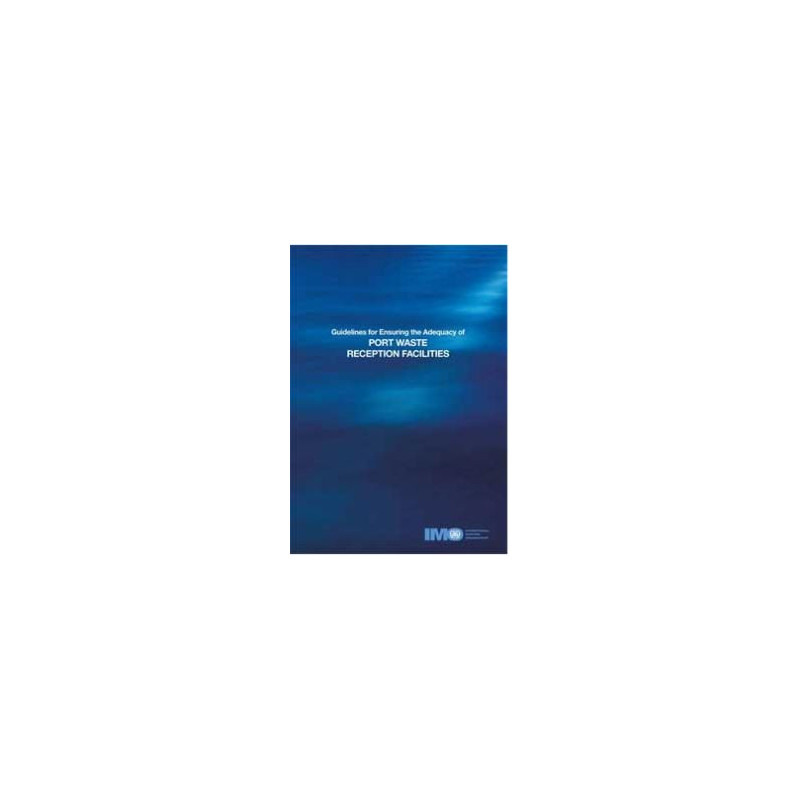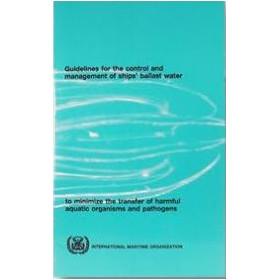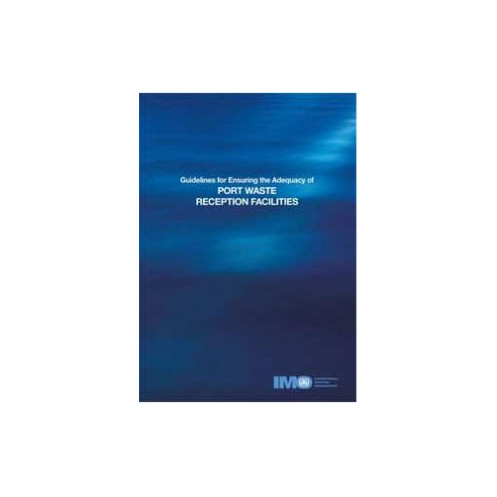




Essential guidelines for ports to assess and improve waste reception facilities, ensuring MARPOL 73/78 compliance. A must-have 35-page technical resource for maritime professionals.
Data sheet
Specific References
Navigating the complexities of maritime waste management just got simpler with the Guidelines for Ensuring the Adequacy of Port Waste Reception Facilities. This authoritative publication provides a structured framework for assessing and improving waste reception facilities in ports worldwide. Designed to support the implementation of the MARPOL 73/78 convention, it offers clear, actionable guidance for port authorities, shipping companies, and environmental regulators. Whether you're ensuring compliance, optimizing waste handling processes, or enhancing sustainability practices, this document is an indispensable tool for modern maritime operations.
Developed by the Marine Environment Protection Committee (MEPC) during its 44th session in March 2000, these guidelines address the critical need for adequate waste reception facilities in ports. They outline best practices for evaluating the capacity, efficiency, and environmental impact of waste handling systems, ensuring that ports can effectively manage the diverse types of waste generated by vessels. From oil residues and sewage to garbage and hazardous materials, the guidelines cover all aspects of waste management, helping ports meet international standards while minimizing operational disruptions.
This publication is tailored for professionals who play a key role in maritime environmental compliance. Port authorities will find detailed criteria for assessing the adequacy of their facilities, while shipping companies can use the guidelines to ensure their vessels have access to compliant waste reception services. Environmental consultants and regulatory bodies will appreciate the structured approach to evaluating and improving waste management systems, making it easier to identify gaps and implement corrective measures. The guidelines also serve as a valuable reference for training programs and policy development.
As the maritime industry continues to prioritize sustainability, the Guidelines for Ensuring the Adequacy of Port Waste Reception Facilities provide a roadmap for reducing the environmental impact of shipping operations. By promoting the development of efficient and effective waste reception facilities, the guidelines help prevent pollution, protect marine ecosystems, and support the long-term viability of the maritime sector. This publication is not just a compliance tool—it’s a step toward a cleaner, more responsible maritime industry.
Presented in a clear, concise format, this printed edition is easy to reference and share among teams. With approximately 35 pages of expertly curated content, it balances depth with practicality, making it suitable for both field use and strategic planning. The publication is also available in a digital format, ensuring accessibility for professionals who prefer electronic resources. Whether you’re on-site at a port or in a corporate office, these guidelines provide the insights needed to make informed decisions about waste management.
Optimize Port Waste Management with IMO’s Official Guidelines
The Guidelines for Ensuring the Adequacy of Port Waste Reception Facilities is a critical resource for maritime professionals tasked with implementing and maintaining compliant waste reception systems in ports. Published in October 2000 by the International Maritime Organization (IMO), this document provides a standardized approach to evaluating the capacity, efficiency, and environmental compliance of port waste facilities. It is an essential reference for ensuring adherence to the MARPOL 73/78 convention, which sets the global benchmark for preventing marine pollution from ships.
Developed by Industry Experts for Real-World Application
Adopted by the Marine Environment Protection Committee (MEPC) during its 44th session, these guidelines reflect the collective expertise of global maritime authorities. They offer a structured methodology for assessing whether port facilities can effectively handle the waste generated by vessels, including oil residues, sewage, garbage, and hazardous materials. With a focus on practicality, the guidelines help port authorities, shipping companies, and environmental regulators identify gaps in their waste management systems and implement targeted improvements.
Comprehensive Coverage for Diverse Waste Streams
This publication addresses the full spectrum of waste types encountered in maritime operations, providing tailored recommendations for each category. Whether dealing with operational waste, cargo residues, or hazardous substances, the guidelines ensure that ports can meet the specific requirements of MARPOL Annexes I through VI. The document also includes best practices for minimizing environmental impact, reducing operational disruptions, and enhancing the overall efficiency of waste reception processes.
Designed for Professionals in Maritime and Environmental Compliance
With its clear, actionable guidance, this publication is an invaluable tool for professionals across the maritime sector. Port authorities can use it to benchmark their facilities against international standards, while shipping companies can ensure their vessels have access to compliant waste reception services. Environmental consultants and regulatory bodies will find the guidelines useful for auditing, training, and policy development. The printed edition, spanning approximately 35 pages, is formatted for easy reference, making it ideal for both field use and strategic planning.
This printed edition of the Guidelines for Ensuring the Adequacy of Port Waste Reception Facilities is a comprehensive resource designed for durability and ease of use. Published in 2000, the document features a sturdy paperback format with dimensions of 24 cm, making it convenient for both desk reference and field applications. Weighing 1.8 kg, it includes approximately 35 pages of expertly curated content, providing a balance of depth and practicality for maritime professionals. The publication is authored by the IMO and is available exclusively in English, ensuring clarity and consistency for global stakeholders.
The International Maritime Organization (IMO) is the United Nations' specialized agency responsible for regulating shipping and preventing marine pollution. Established in 1948, the IMO sets global standards for maritime safety, security, and environmental performance. Its publications, including these guidelines, are developed through collaborative efforts with industry experts, governments, and environmental organizations, ensuring they reflect the latest best practices and regulatory requirements. The IMO’s work is instrumental in promoting sustainable and efficient maritime operations worldwide.
These guidelines provide direction for assessing the adequacy of port waste reception facilities, ensuring compliance with MARPOL 73/78 regulations for ship-generated waste management.
Yes, the guidelines are designed to address waste reception facilities for all ship types generating waste covered under the MARPOL 73/78 convention.
Yes, a digital version is available in a locked format, readable using the free IMO e-reader.
The guidelines were adopted under resolution MEPC.83(44) by the Marine Environment Protection Committee (MEPC) during its 44th session.
Yes, it serves as a technical reference for port authorities, maritime professionals, and organizations involved in waste management and compliance with MARPOL regulations.
The printed version measures 24 cm in height and contains approximately 35 pages.
You might also like