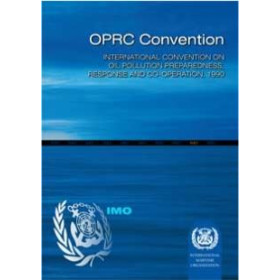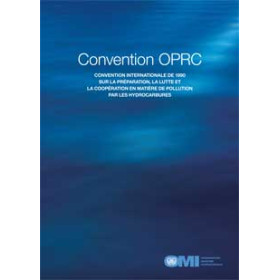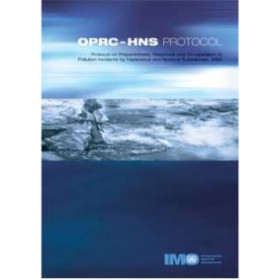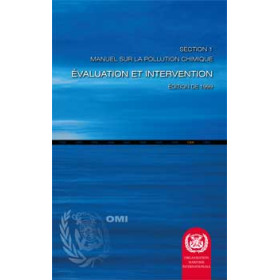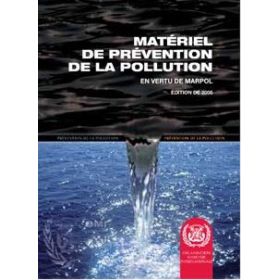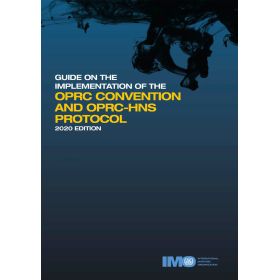




The 2000 OPRC-HNS Protocol offers a global framework for responding to hazardous substance pollution. This French paperback edition is vital for maritime professionals and authorities.
Data sheet
Specific References
The IMO 2000 OPRC-HNS Protocol stands as a cornerstone in international maritime safety, extending the original 1990 OPRC Convention to address pollution incidents involving hazardous and noxious substances (HNS). This critical publication provides maritime professionals with the comprehensive guidelines needed to prepare for, respond to, and cooperate in HNS pollution incidents at national, regional, and global levels. Designed for immediate implementation, it bridges gaps in existing frameworks by offering structured protocols that enhance emergency readiness and operational efficiency in high-risk scenarios.
Adopted on March 15, 2000, and entering into force on June 14, 2007, this protocol is a mandatory reference for maritime authorities, shipping companies, and environmental agencies. It establishes standardized procedures for risk assessment, incident reporting, and coordinated response actions, ensuring that all stakeholders operate under a unified system. By integrating this protocol into operational practices, maritime professionals can align with international legal requirements while minimizing environmental and economic impacts of HNS incidents.
This printed edition is tailored for hands-on use in both onboard and onshore environments, offering clear, actionable directives for emergency response teams. Its structured format includes step-by-step guidelines for containment, mitigation, and recovery operations, making it an indispensable tool for captains, port authorities, and environmental officers. The publication also facilitates cross-border collaboration, enabling seamless communication and resource-sharing during transnational incidents.
The OPRC-HNS Protocol goes beyond theoretical frameworks by incorporating real-world case studies and best practices from global maritime incidents. It emphasizes proactive measures such as training programs, equipment readiness, and drills, ensuring that response teams are equipped to handle the unique challenges posed by HNS pollution. By adopting these protocols, organizations can reduce response times, limit ecological damage, and comply with evolving regulatory standards.
Published by the International Maritime Organization (IMO), this document carries the authority of a globally recognized body, making it a trusted resource for legal compliance and operational planning. Its availability in French ensures accessibility for Francophone maritime professionals, while its durable printed format guarantees reliability in environments where digital access may be limited. Whether used for training, emergency planning, or regulatory audits, this protocol delivers the precision and clarity required in high-stakes maritime operations.
Strengthen Your Maritime Safety Framework with the IMO 2000 OPRC-HNS Protocol
In an industry where hazardous and noxious substances (HNS) pose constant risks to ecosystems, economies, and human health, the IMO 2000 OPRC-HNS Protocol provides the definitive roadmap for preparedness and response. This printed publication is not just a regulatory document—it’s a strategic tool designed to empower maritime professionals with internationally recognized protocols for managing HNS pollution incidents. With over 1.8 kg of expertly curated content, it delivers actionable insights that bridge the gap between compliance and operational excellence.
Global Standards for Local and Regional Impact
Adopted in 2000 and enforced since 2007, this protocol extends the foundational 1990 OPRC Convention to address the complexities of HNS pollution, which includes chemicals, gases, and other non-oil substances. It establishes a unified framework for cooperation among nations, ensuring that response efforts are coordinated, efficient, and effective. By integrating these guidelines into your operations, you align with global best practices while enhancing your organization’s ability to mitigate risks in real time.
Designed for Real-World Application
Unlike generic safety manuals, this protocol is tailored for the unique demands of maritime environments. Its structured approach covers every phase of incident management—from initial detection and reporting to containment, recovery, and post-incident analysis. The printed format ensures durability and accessibility, making it ideal for use in offices, vessels, and emergency response centers where digital access may be unreliable. Whether you’re a port authority, shipping company, or environmental agency, this publication equips you with the tools to respond swiftly and effectively to HNS incidents.
Compliance Meets Operational Readiness
Beyond its regulatory significance, the OPRC-HNS Protocol serves as a practical guide for training, drills, and emergency planning. It includes detailed procedures for risk assessment, resource allocation, and cross-border collaboration, ensuring that your team is prepared for any scenario. By adopting these protocols, you not only meet international legal requirements but also enhance your organization’s resilience against the environmental and financial impacts of HNS pollution. Available in French, this edition ensures clarity and accessibility for Francophone maritime professionals worldwide.
This printed edition of the IMO 2000 OPRC-HNS Protocol is a comprehensive resource for maritime safety professionals, weighing 1.8 kg and presented in a durable paper format. Published in French, it details the protocols adopted on March 15, 2000, and enforced from June 14, 2007, providing a robust framework for managing hazardous and noxious substance pollution incidents. Its structured content ensures compliance with international standards while offering practical guidance for emergency response and operational planning.
With a legacy of setting global maritime standards, the publisher of this protocol is a leading authority in international shipping and environmental safety. Renowned for developing frameworks that enhance operational efficiency and regulatory compliance, their publications are trusted by governments, shipping companies, and environmental agencies worldwide. This expertise ensures that every document, including the OPRC-HNS Protocol, delivers precision, reliability, and actionable insights for professionals in high-stakes maritime environments.
It extends the 1990 OPRC Convention to cover pollution incidents involving hazardous and noxious substances beyond oil, establishing an international framework for cooperation in preparedness and response.
Yes, a locked digital version is available and can be read using the free reader provided by the issuing organization.
The protocol was adopted on March 15, 2000, and entered into force on June 14, 2007.
The printed version weighs 1.8 kg.
Yes, it serves as a key reference for international cooperation in maritime pollution response and preparedness, making it suitable for training purposes.
You might also like