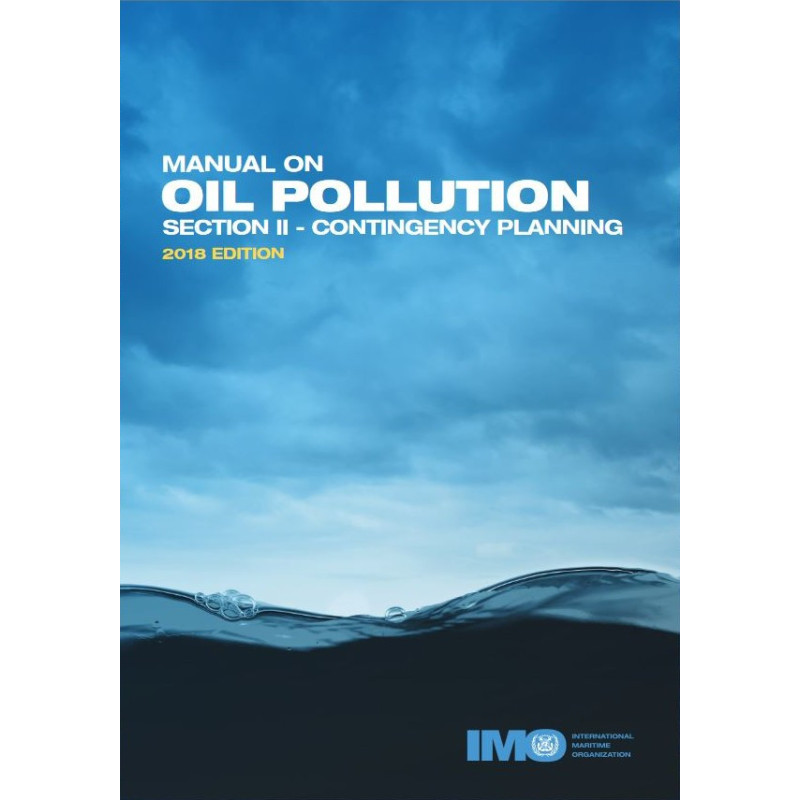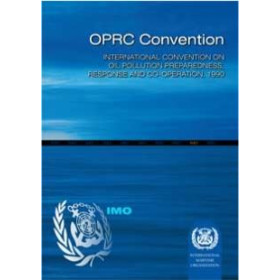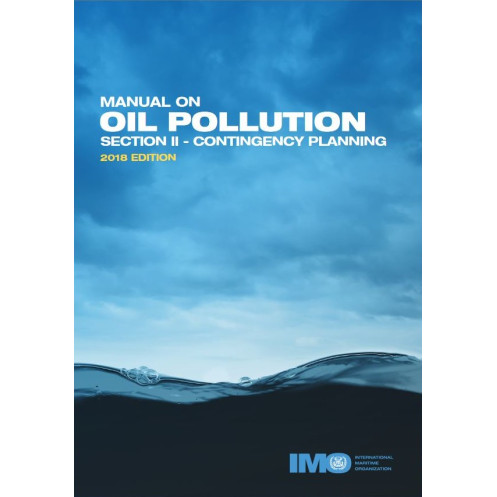




This official manual provides expert guidance on oil spill contingency planning. Covers response frameworks, cost recovery, and compliance with OPRC Convention standards for governments and agencies.
Data sheet
Specific References
Your Blueprint for Oil Spill Contingency Planning
When every second counts in an oil pollution emergency, having a well-structured contingency plan can mean the difference between controlled mitigation and environmental disaster. The IMO Manual on Oil Pollution Section 2 – Contingency Planning is the definitive guide for maritime professionals, offering a systematic approach to preparing for and responding to oil spills of all magnitudes. This 1995 edition, updated to reflect the latest international conventions, provides a clear, actionable framework that aligns with the OPRC 1990 standards, making it a must-have resource for governments, port authorities, and shipping companies worldwide.
Scalable Solutions for Every Scenario
Oil spills don’t follow a one-size-fits-all pattern, which is why this manual introduces a tiered response strategy tailored to the severity of an incident. Whether you’re dealing with a minor local spill or a large-scale transboundary disaster, the manual breaks down the response process into manageable steps. It covers everything from local contingency planning—detailing risk assessments, resource allocation, and coordination protocols—to national response frameworks that integrate regional agencies into a unified system. For catastrophic events, it outlines international cooperation mechanisms, including mutual aid agreements and joint response exercises, ensuring seamless cross-border collaboration.
From Theory to Action: Practical Tools for Real-World Challenges
This isn’t just a theoretical guide; it’s a hands-on toolkit designed to bridge the gap between planning and execution. The manual includes procedural checklists, case studies, and best practices to help maritime stakeholders develop contingency plans that are both compliant and operationally effective. It addresses critical aspects such as intervention protocols, cost recovery mechanisms, and liability frameworks, providing a holistic approach to oil spill management. By following its guidelines, organizations can reduce response times, minimize environmental damage, and ensure they’re prepared for any contingency.
Built for Maritime Professionals, Backed by Global Standards
Weighing in at 1.8 kg and spanning 103 pages, this paperback edition is designed for durability and ease of use in both office and field settings. Its dimensions—250 mm in height and 210 mm in width—make it a practical reference for professionals who need quick access to critical information. Published in July 2018, this edition reflects the most current advancements in oil pollution preparedness, ensuring that users have the latest insights at their fingertips. Whether you’re a government official, port authority, or shipping company, this manual equips you with the knowledge and tools to safeguard marine environments and comply with international regulations.
This official IMO publication is presented in a practical paperback format, designed for durability and ease of reference. The manual spans 103 pages, offering comprehensive coverage of oil spill contingency planning in a compact, portable size—measuring 250 mm in height and 210 mm in width. Weighing 1.8 kg, it is lightweight enough for field use while robust enough to withstand frequent handling. Published in 1995 and reissued in July 2018, this edition is available exclusively in English and adheres to the latest international standards for oil pollution preparedness and response.
With a legacy rooted in the United Nations’ specialized agency for maritime affairs, this publisher is a global leader in setting standards for maritime safety, security, and environmental protection. Its publications are developed through international collaboration, drawing on decades of research, regulatory expertise, and real-world incident response. Trusted by governments, industry professionals, and training institutions worldwide, its resources are designed to enhance operational readiness, ensure regulatory compliance, and promote sustainable maritime practices.
The tiered response approach organizes emergency actions based on the severity of an oil spill. It helps authorities scale their response from local to national and international levels, depending on the spill's magnitude and impact.
Yes, it covers international agreements for catastrophic spills, including coordination frameworks and protocols for cross-border collaboration in emergency response efforts.
The 1995 edition incorporates the 1990 OPRC Convention and advancements in oil pollution preparedness, such as improved response strategies and cost recovery procedures for navigation-related spills.
The digital version is locked and requires the free IMO e-reader software for access. It is not compatible with standard e-reader devices or formats like PDF or EPUB.
The physical copy measures 250 mm in height and 210 mm in width, with a paperback binding and a total of 103 pages.
Yes, the manual provides detailed advice on intervention strategies and procedures for recovering costs associated with oil spills caused by navigation accidents.
You might also like