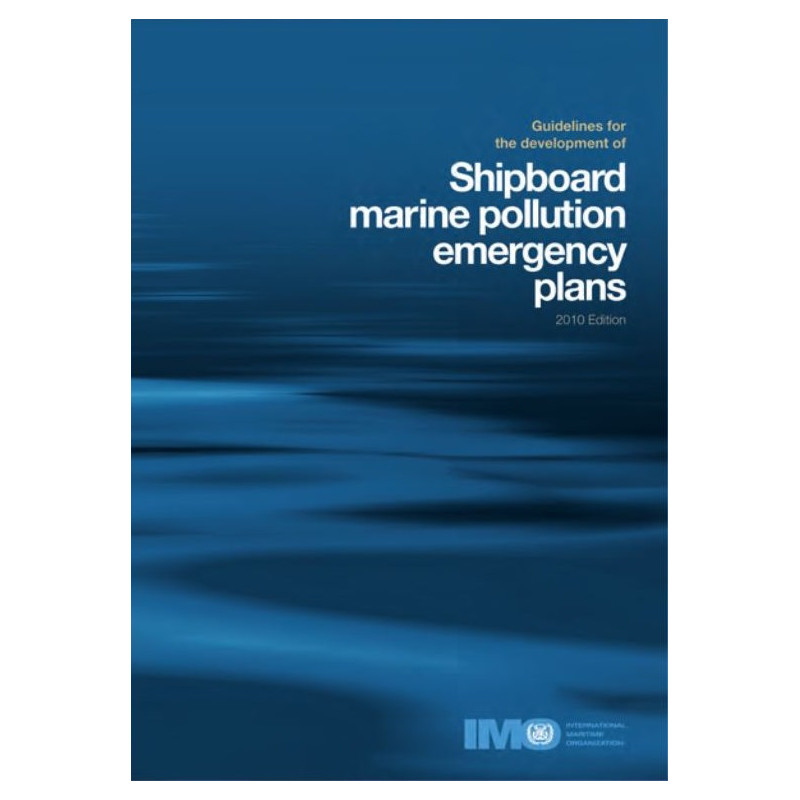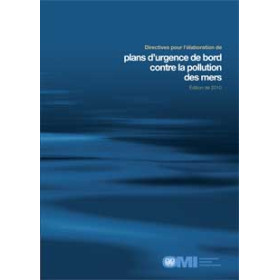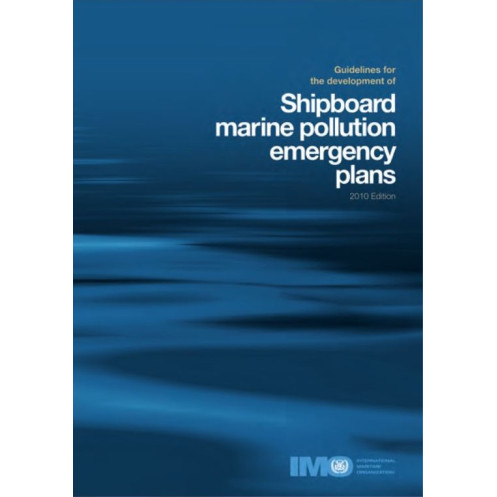




Ensure compliance with MARPOL regulations using these essential guidelines for developing Shipboard Marine Pollution Emergency Plans (SMPEP). A must-have for shipowners and administrations.
Data sheet
Specific References
Guidelines for the Development of Shipboard Marine Pollution Emergency Plans: Your Blueprint for MARPOL Compliance
In the high-stakes world of maritime operations, preparedness is not just a best practice—it’s a legal obligation. The Guidelines for the Development of Shipboard Marine Pollution Emergency Plans deliver a meticulously crafted framework to help maritime professionals develop, implement, and maintain emergency plans that align with MARPOL Annex I (Regulation 37) and Annex II (Regulation 17). This third edition, updated in 2010, reflects the latest revisions to international regulations, ensuring your vessel remains compliant with evolving environmental standards. Whether you’re managing a fleet of oil tankers or cargo ships transporting noxious liquid substances, this guide provides the clarity and structure needed to navigate the complexities of pollution prevention and emergency response.
Streamlined Emergency Planning for Vessels of All Sizes
Designed for vessels of 150 gross tonnage and above, these guidelines address the critical need for unified emergency plans by combining the Shipboard Oil Pollution Emergency Plan (SOPEP) and the Noxious Liquid Substances Emergency Plan into a single, cohesive document: the Shipboard Marine Pollution Emergency Plan (SMPEP). This consolidation eliminates redundancy, simplifies training, and ensures that crews are prepared to respond swiftly and effectively to pollution incidents. With over 100 pages of expert guidance, this publication includes model formats and practical templates that can be customized to fit the unique operational needs of your vessel, making compliance both achievable and efficient.
Built for the Demands of Onboard Use
Engineered for durability and accessibility, this printed edition features a spiral-bound design that withstands the wear and tear of daily use in maritime environments. Measuring 210 x 297 mm (A4 format), its clear layout and organized structure make it easy to reference during inspections, drills, or emergencies. Weighing just 1.8 kg, it’s portable enough to keep on hand wherever it’s needed most—whether in the ship’s office, on the bridge, or in the hands of crew members during training exercises. This publication is not just a regulatory requirement; it’s a practical tool that empowers maritime professionals to uphold the highest standards of safety and environmental stewardship.
An Authoritative Resource for Maritime Professionals
As an official publication, these guidelines carry the weight of international maritime standards, providing shipowners, operators, and maritime authorities with the confidence that their emergency plans meet or exceed regulatory expectations. The updated references ensure alignment with the latest revisions to MARPOL Annexes I and II, offering peace of mind that your vessel is prepared for inspections and real-world emergencies alike. By integrating these guidelines into your operations, you’re not just complying with regulations—you’re investing in the safety of your crew, the protection of marine ecosystems, and the long-term sustainability of your maritime business.
This essential maritime publication is presented in a durable, spiral-bound printed format, ensuring longevity and ease of use in demanding onboard environments. Weighing 1.8 kg, it features over 100 pages of detailed guidelines, model formats, and updated references to MARPOL Annexes I and II. The A4-sized (210 x 297 mm) document is written entirely in English and is designed to meet the needs of vessels 150 gross tonnage and above, providing a comprehensive framework for developing Shipboard Marine Pollution Emergency Plans (SMPEP).
For over seven decades, this organization has been at the forefront of shaping global maritime standards, driving innovation in safety, security, and environmental protection. As the leading authority on international shipping regulations, it provides the framework that ensures the industry operates with consistency, efficiency, and responsibility. Its publications are trusted by maritime professionals worldwide, offering authoritative guidance that bridges the gap between regulatory compliance and real-world operational excellence. With a commitment to sustainability and the future of the oceans, it remains a cornerstone of the maritime community.
These guidelines assist in complying with MARPOL Annex I Regulation 37 and Annex II Regulation 17, which require shipboard oil pollution emergency plans (SOPEP) and pollution emergency plans for noxious liquid substances, respectively.
No, the guidelines are only available in English.
SOPEP refers to the Shipboard Oil Pollution Emergency Plan, while SMPEP is the Shipboard Marine Pollution Emergency Plan, which combines SOPEP and plans for noxious liquid substances into a single, more practical document.
Oil tankers of 150 gross tons or more and all ships of 400 gross tons or more require these plans, as well as ships carrying noxious liquid substances in bulk.
The digital version is locked and can only be read using the free dedicated e-reader provided.
The paper version features a spiral binding for enhanced durability.
Yes, the guidelines include sample formats for developing the required emergency plans.
You might also like