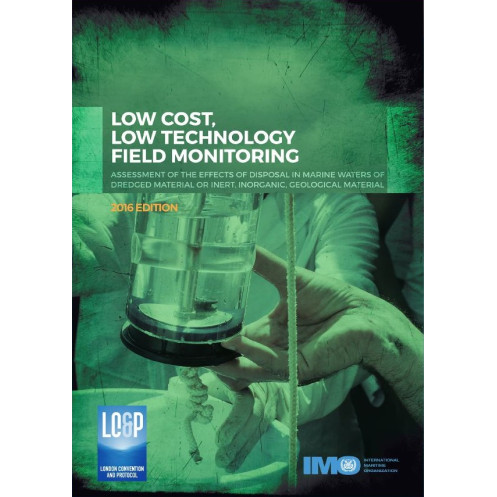




A practical 2016 guide on low-cost, low-tech field monitoring for assessing environmental impacts of marine disposal. Ideal for developing waste assessment programs.
Data sheet
Specific References
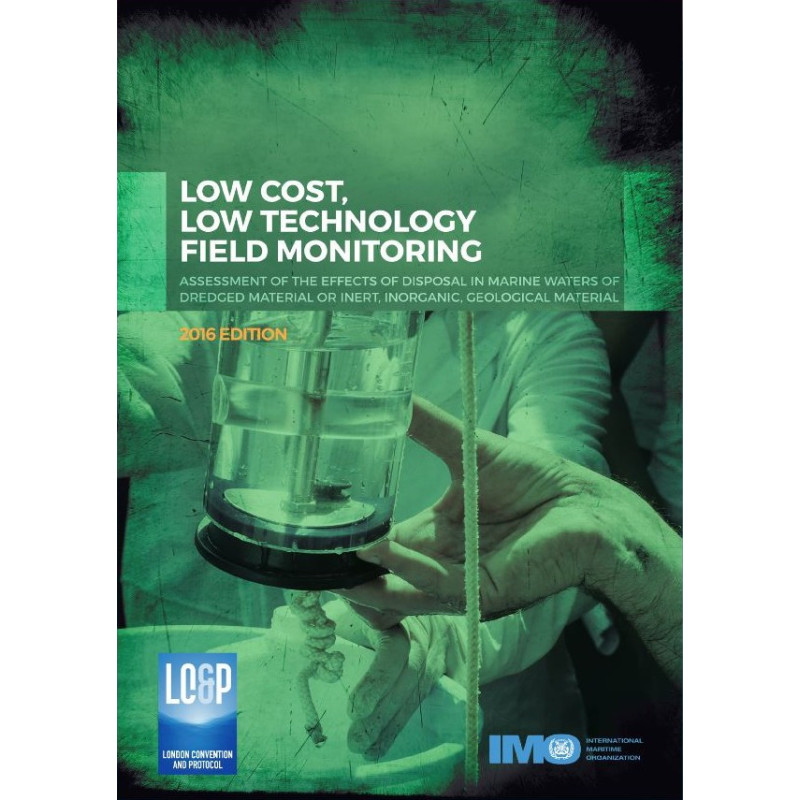
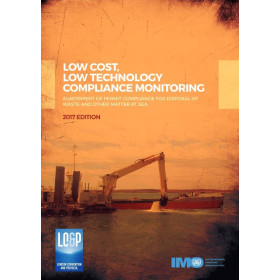
IMO 542E – Low Cost, Low Technology Field Monitoring for Disposal 2016
Transform your approach to marine waste disposal with this essential 2016 publication, designed to simplify environmental monitoring for dredged materials and inert geological matter. Whether you’re managing a small-scale dredging project or overseeing large disposal operations, this guide provides the tools to assess environmental impacts efficiently and affordably. With a focus on low-cost, low-technology solutions, it ensures that even organizations with limited resources can implement effective monitoring programs that comply with international standards.
Field-Ready Solutions for Real-World Challenges
This 126-page guide is packed with practical methodologies tailored for professionals in the maritime industry. It covers everything from site selection and sampling techniques to data analysis, offering step-by-step instructions that can be applied in the field with minimal equipment. The publication is particularly valuable for developing nations or regions where advanced technology may not be readily available, providing a reliable framework for monitoring disposal activities without sacrificing accuracy or regulatory compliance.
Designed for Compliance and Efficiency
Published in January 2017, the 2016 edition of this guide aligns with the latest international maritime regulations, including the London Protocol. It helps professionals navigate the complexities of waste disposal permitting while ensuring that monitoring efforts are both cost-effective and scientifically robust. By focusing on low-technology tools, it reduces the financial and logistical barriers to environmental assessment, making it easier for organizations to meet their regulatory obligations and protect marine ecosystems.
A Resource for Sustainable Maritime Development
This publication is more than just a technical manual—it’s a roadmap for sustainable maritime practices. It empowers port authorities, environmental consultants, and regulatory bodies to implement monitoring programs that balance operational needs with environmental protection. Whether you’re assessing the impact of dredged materials or managing disposal sites, this guide provides the insights and tools needed to make informed decisions that support long-term ecological health and regulatory compliance.
The IMO 542E – Low Cost, Low Technology Field Monitoring for Disposal 2016 is a 126-page printed publication released in January 2017. Written entirely in English, this guide focuses on practical, low-technology solutions for monitoring the environmental impact of dredged material disposal and inert geological matter at sea. Weighing approximately 2 pounds, it is designed for easy reference in both office and field settings, ensuring accessibility for professionals across the maritime industry.
For over a century, this organization has been a global leader in setting standards for maritime safety, security, and environmental protection. Its publications are trusted by professionals worldwide, offering practical solutions that bridge the gap between regulatory compliance and real-world application. With a commitment to sustainable development, the organization provides resources that empower industries to operate responsibly while meeting international maritime requirements.
It provides guidance on monitoring environmental impacts related to the disposal at sea of dredged materials or inert, inorganic geological materials.
Yes, it is primarily designed for countries or organizations in the early stages of developing waste assessment and monitoring programs for sea disposal permits.
The digital version is a locked format that can be read using the free reader provided.
The printed version contains 126 pages.
This edition was officially published in January 2017.
No, the publication is available only in English.
You might also like