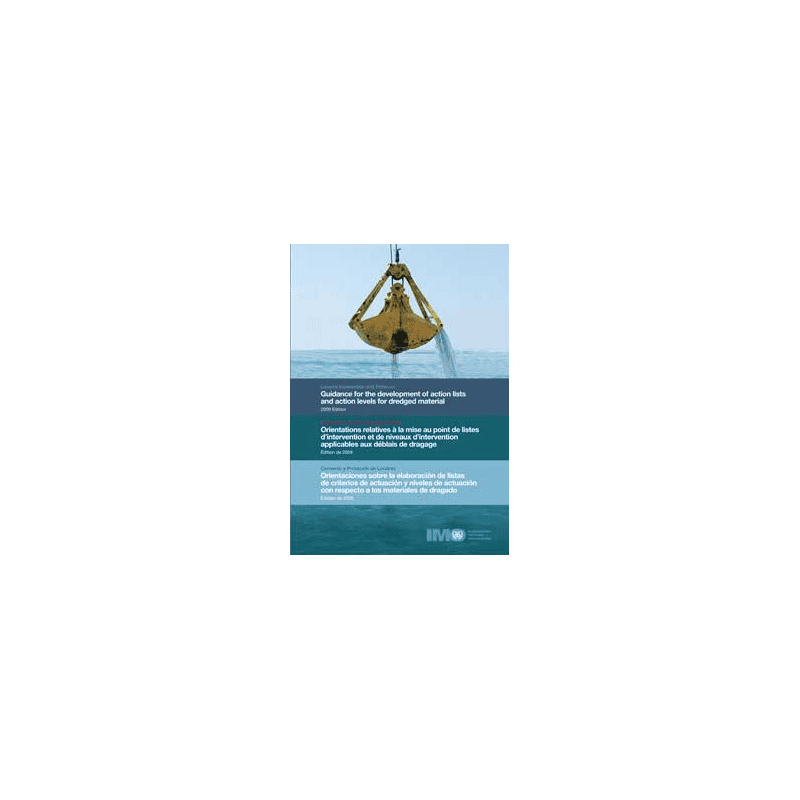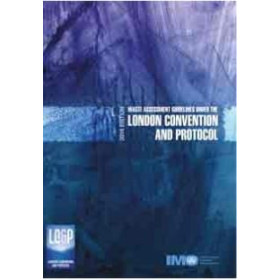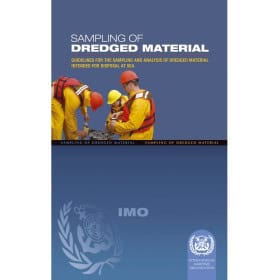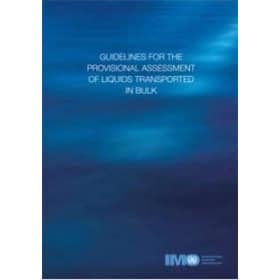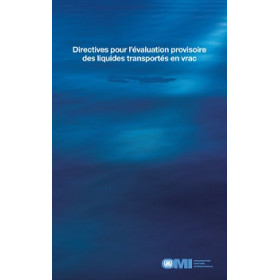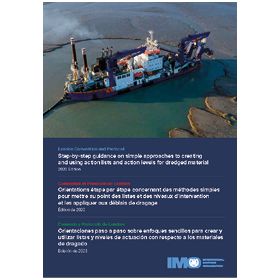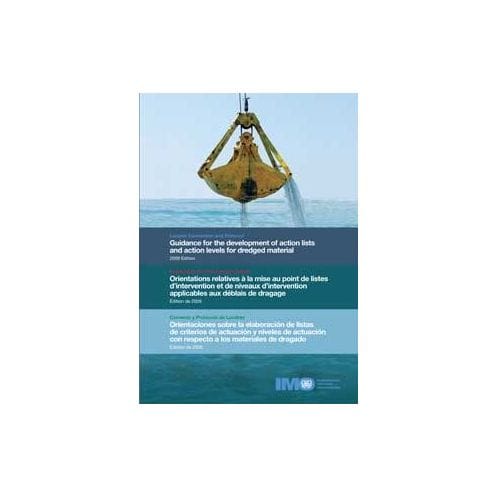





Multilingual technical guide for implementing the London Convention and Protocol. Provides frameworks to assess dredged materials, ensuring compliance with global maritime environmental standards.
Data sheet
Specific References
This authoritative publication delivers critical technical guidance for maritime professionals tasked with managing dredged materials under the London Convention 1972 and its 1996 Protocol. Developed through international collaboration, it establishes a standardized framework for assessing the environmental impact of ocean disposal operations, ensuring compliance with global marine protection standards.
The guidelines provide a systematic approach to evaluating dredged materials through two key components: action lists and action levels. Action lists identify chemical substances, biological responses, and other characteristics that warrant concern, while action levels establish decision thresholds for determining whether sediments can be safely disposed of at sea. This dual-system approach enables consistent, science-based decision-making across jurisdictions.
Developed with contributions from leading maritime nations including Australia and Canada, as well as organizations such as Greenpeace and the OECD, this publication reflects global best practices in marine environmental management. It empowers contracting parties to develop their own national action lists while maintaining alignment with international standards, facilitating harmonized implementation of the London Convention and Protocol.
Designed specifically for professionals in the merchant marine sector, this resource supports evidence-based decision-making in dredging operations. The guidelines help assess potential risks to human health and marine ecosystems, providing a clear methodology for screening dredged materials and determining appropriate disposal options. This technical framework is particularly valuable for port authorities, environmental consultants, and regulatory bodies involved in marine pollution prevention.
Presented in both English and French, this publication serves as a vital reference for French-speaking maritime professionals worldwide. The bilingual format ensures accessibility across diverse regulatory environments, supporting consistent interpretation and application of the guidelines in international waters and national jurisdictions alike.
Critical Technical Resource for Marine Environmental Compliance
Navigate the complexities of ocean disposal regulations with this essential technical publication, providing comprehensive guidelines for implementing the London Convention and its 1996 Protocol. Developed by the International Maritime Organization, this 2009 edition establishes the definitive framework for assessing dredged materials through action lists and action levels, enabling consistent environmental protection across global maritime operations.
Science-Based Framework for Dredged Material Assessment
This authoritative document presents a dual-system approach to sediment evaluation, combining chemical screening protocols with biological response criteria. The action lists identify priority substances of concern, while the action levels establish clear decision thresholds for determining disposal eligibility. This systematic methodology enables maritime professionals to conduct evidence-based assessments of potential risks to human health and marine ecosystems, supporting compliance with international marine protection standards.
International Collaboration for Global Implementation
Reflecting contributions from leading maritime nations and environmental organizations, this publication represents the culmination of extensive international expertise. The guidelines facilitate the development of national action lists while maintaining alignment with global standards, promoting harmonized implementation of the London Convention across diverse regulatory environments. This collaborative approach ensures that the technical guidance remains relevant and applicable to maritime operations worldwide.
Practical Tool for Maritime Professionals
Designed specifically for port authorities, environmental consultants, and regulatory bodies, this resource provides actionable guidance for managing dredged materials in compliance with international law. The 1.8 kg printed volume offers immediate access to critical assessment protocols, supporting efficient decision-making in dredging operations and disposal activities. With its focus on practical application, this publication serves as an indispensable reference for professionals responsible for marine environmental protection.
This 2009 edition technical publication features a comprehensive 1.8 kg printed volume containing action lists and action level guidelines for dredged material assessment. The multilingual resource includes complete text in English and French, with additional content in Spanish and German, supporting global implementation of the London Convention and Protocol. Published on October 20, 2009, this reference document provides immediate access to critical environmental assessment protocols for maritime professionals.
For over seven decades, this specialized maritime organization has served as the global standard-setting authority for the safety, security, and environmental performance of international shipping. Through its regulatory framework and technical publications, the organization develops unified solutions to address the complex challenges of modern maritime operations, supporting sustainable practices across the world's oceans.
This document is available in English, French, and Spanish in the paper version. A digital version may include additional languages.
The action lists identify concerning chemicals, biological responses, or other characteristics for screening dredged materials. Action levels provide decision thresholds to determine if sediments can be disposed of at sea.
Yes, it is designed to assist contracting parties in developing their own national action lists by evaluating potential impacts on human health and the marine environment.
This edition was published on October 20, 2009.
The paper version weighs 1.8 kg.
Yes, a digital version is available in a locked format readable with the free IMO e-reader.
Contributions were made by various countries and organizations, including Australia, Canada, Greenpeace, and the OECD.
You might also like