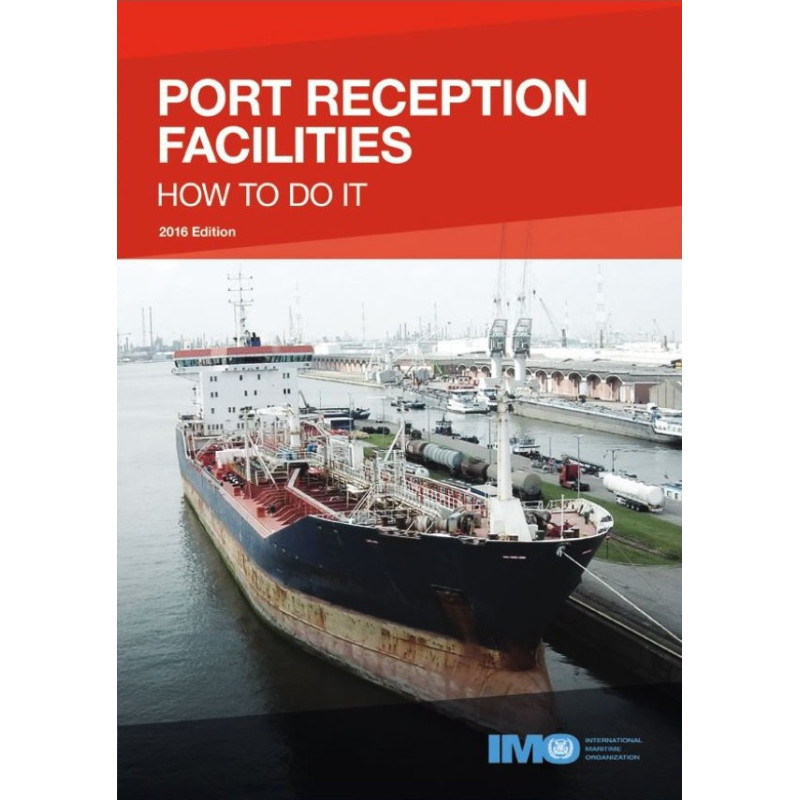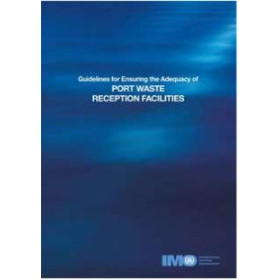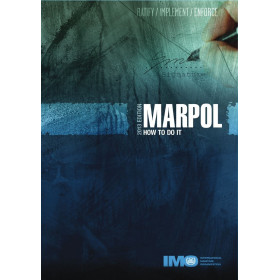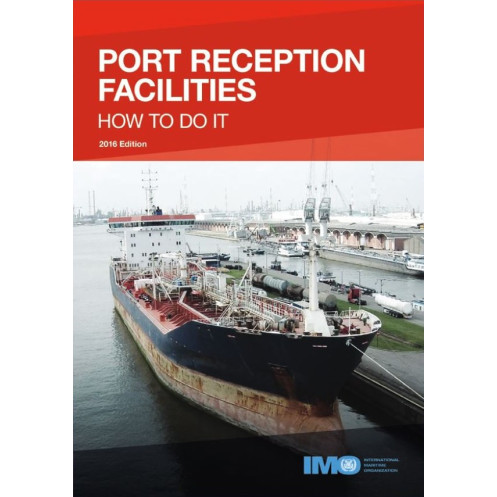




Achieve MARPOL compliance with this 2016 guide on port reception facilities. Offers clear, actionable advice for authorities and waste contractors to optimize operations.
Print or digital format.
Data sheet
Specific References
Navigating MARPOL compliance just got simpler with this authoritative guide designed for port authorities, governments, and maritime waste management stakeholders. This publication delivers actionable insights to establish and optimize port reception facilities, ensuring seamless adherence to international maritime environmental regulations. Whether you're addressing gaps in existing infrastructure or planning new facilities, this manual provides the roadmap to meet MARPOL requirements without operational delays.
Developed specifically for professionals in developing nations and established maritime hubs alike, this guide bridges the gap between regulatory theory and real-world application. It offers step-by-step methodologies for assessing ship waste reception needs, designing efficient collection systems, and implementing cost-effective disposal solutions. The publication addresses common challenges such as waste stream management, contractual arrangements with waste service providers, and compliance verification procedures.
The manual systematically examines each MARPOL annex, detailing the specific reception facility requirements for different waste types including oil residues, noxious liquid substances, sewage, garbage, and ozone-depleting substances. It includes best practices for facility sizing based on port traffic patterns, waste volume projections, and ship visit frequencies. Special attention is given to emerging waste streams and the integration of new technologies for waste processing and recycling.
Beyond initial implementation, this guide establishes a framework for ongoing facility evaluation and improvement. It introduces risk assessment methodologies to identify potential compliance gaps and operational bottlenecks. The publication includes templates for monitoring facility performance, conducting audits, and implementing corrective actions. This proactive approach helps ports maintain compliance while adapting to evolving regulatory requirements and technological advancements in waste management.
Drawing from successful implementations worldwide, the manual presents case studies demonstrating effective solutions to common challenges. These real-world examples cover diverse port environments from major container hubs to specialized terminals, offering valuable insights for ports of all sizes. The publication also addresses the unique needs of small island developing states and remote port facilities, ensuring its relevance across the global maritime industry.
Master MARPOL Compliance with the Definitive Port Reception Facilities Guide
This 2016 edition of Port Reception Facilities – How to Do It stands as the maritime industry's most comprehensive resource for implementing and optimizing port waste reception infrastructure. Developed by the International Maritime Organization, this 213-page manual transforms complex MARPOL requirements into practical, actionable strategies for governments, port authorities, and waste management professionals. Whether you're establishing new facilities or upgrading existing ones, this guide provides the technical foundation to meet international standards while maintaining operational efficiency.
From Planning to Execution: A Complete Implementation Framework
The publication delivers a systematic approach to facility development, beginning with needs assessment methodologies that account for port size, ship traffic patterns, and waste stream characteristics. It guides readers through the critical stages of facility design, including capacity calculations, equipment selection, and layout optimization. The manual addresses both the technical and administrative aspects of implementation, covering everything from waste collection protocols to contractual arrangements with service providers. Special sections focus on the unique challenges faced by developing nations, offering cost-effective solutions that don't compromise compliance.
Beyond Compliance: Building Sustainable Waste Management Systems
This guide goes further than basic regulatory compliance, presenting strategies for creating environmentally sustainable and economically viable waste management systems. It explores innovative approaches to waste minimization, recycling, and energy recovery that can transform port reception facilities from cost centers into potential revenue streams. The manual includes detailed guidance on monitoring and reporting systems that demonstrate compliance while providing valuable data for continuous improvement. With its focus on practical implementation, this publication serves as both a technical manual and a strategic planning tool for maritime environmental management.
This 2016 edition of Port Reception Facilities – How to Do It presents 213 pages of expert guidance in a comprehensive printed format. Published in January 2016, the manual weighs 1.8 kg and is available as a brand-new publication. Designed for professional use, it combines authoritative content with practical implementation strategies in a durable, easy-to-reference printed edition.
With over seven decades of leadership in maritime regulation and safety, the organization behind this publication sets the global standards for shipping operations. Their technical manuals and guidelines form the foundation of maritime compliance worldwide, trusted by governments, port authorities, and industry professionals for their accuracy, practicality, and alignment with international conventions. Each publication reflects decades of expertise in translating complex regulatory requirements into actionable solutions for the maritime community.
This manual provides practical guidance to port authorities and governments, particularly in developing countries, on implementing MARPOL convention requirements and addressing deficiencies in port reception facilities.
No, this edition is only available in English.
The printed version contains 213 pages.
The digital version is in a locked format and requires the free official reader to access the content.
The printed manual weighs approximately 1.8 kilograms.
Yes, it includes guidance on ensuring adequate port reception facilities to prevent undue delays for vessels.
The IMPA code for this publication is 371667.
You might also like