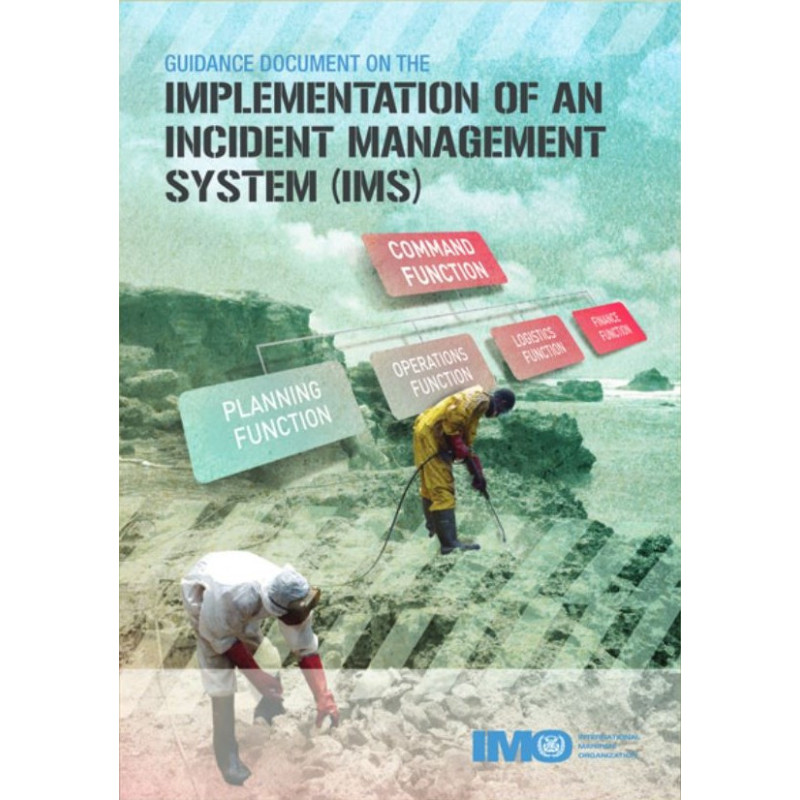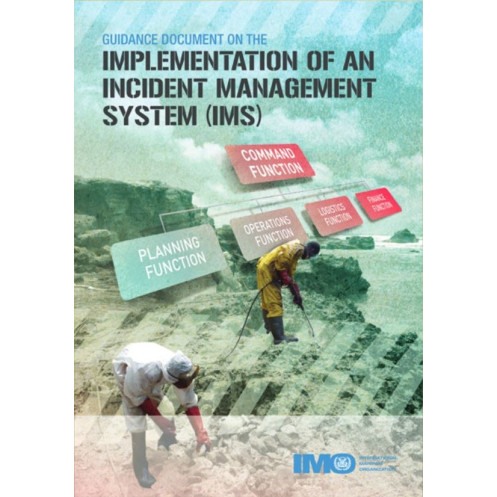




Expert guidance on establishing an Incident Management System (IMS) for maritime pollution emergencies. Provides clear command structures, defined roles, and adaptable strategies for optimal response.
Data sheet
Specific References
This comprehensive guidance document provides maritime professionals with a structured framework for establishing an Incident Management System (IMS) tailored to pollution incidents at sea. Developed by leading industry experts and endorsed by the Marine Environment Protection Committee, this publication delivers proven methodologies for organizing emergency response operations with maximum efficiency and safety. The IMS framework ensures clear command structures, optimized resource deployment, and well-defined roles during critical incidents, making it an indispensable tool for contingency planning in the maritime sector.
The Incident Management System outlined in this document offers a scalable solution that adapts to incidents of any magnitude. Designed for seamless integration across multiple agencies, the IMS ensures coordinated action among qualified personnel from diverse organizations. The system's flexible structure allows it to expand or contract based on the specific demands of each incident, providing a consistent approach to emergency response that enhances operational effectiveness while maintaining safety standards. This adaptability makes it particularly valuable for complex maritime pollution scenarios where multiple stakeholders must work in unison.
This guidance document is engineered to complement existing maritime response frameworks, particularly the IMO Manual on Oil Pollution. When used in conjunction with Section II (Contingency Planning) and Section IV (Oil Spill Response) of the manual, it provides a complete solution for developing robust emergency preparedness plans. The publication serves as a practical reference during both the planning phase and active response operations, offering clear guidance on establishing command structures, defining operational roles, and optimizing resource allocation during pollution incidents.
Created specifically for maritime industry professionals, this document addresses the unique challenges of managing pollution incidents at sea. The IMS framework presented here has been developed through extensive industry collaboration and real-world testing, ensuring its practical applicability in diverse maritime environments. From coastal response teams to offshore operators, this publication provides the essential tools needed to establish a reliable incident management system that enhances preparedness, improves response coordination, and ultimately protects marine ecosystems during emergency situations.
Enhance Your Maritime Emergency Preparedness with the Definitive IMS Implementation Guide
This authoritative publication delivers a complete framework for establishing an Incident Management System (IMS) specifically designed for maritime pollution incidents. Developed by the OPRC-HNS Technical Group and approved by the Marine Environment Protection Committee, this 57-page document provides maritime professionals with a proven system for organizing emergency response operations with maximum efficiency and safety. The IMS framework ensures clear command structures, optimized resource deployment, and well-defined roles during critical incidents, making it an essential component of any maritime contingency planning strategy.
Scalable Solution for Incidents of Any Magnitude
The Incident Management System presented in this document offers unparalleled flexibility, designed to adapt seamlessly to incidents ranging from minor spills to major environmental emergencies. The system's scalable architecture allows it to expand or contract based on the specific demands of each situation, while maintaining consistent operational protocols. This adaptability ensures that response teams can maintain optimal control and coordination regardless of the incident's complexity or duration, with a recommended span of control that maximizes operational efficiency.
Multi-Agency Coordination Framework
Engineered for interoperability, this IMS guidance enables effective collaboration among diverse response organizations. The system provides a common operational language and structure that allows qualified personnel from different agencies to work together seamlessly during emergency situations. This cross-agency compatibility is particularly valuable in complex maritime pollution scenarios where multiple stakeholders must coordinate their efforts to achieve optimal response outcomes while maintaining safety standards.
Strategic Integration with Existing Maritime Protocols
This implementation guide is designed to complement and enhance existing maritime response frameworks. When used in conjunction with the IMO Manual on Oil Pollution - particularly Section II (Contingency Planning) and Section IV (Oil Spill Response) - it provides a comprehensive solution for developing robust emergency preparedness plans. The 2012 edition of this document incorporates the latest industry best practices and lessons learned from real-world incidents, ensuring that maritime professionals have access to the most current and effective incident management strategies.
This printed guidance document features 57 pages of comprehensive IMS implementation guidance in a professional 250mm x 200mm format. Published in January 2012, the English-language edition weighs 1.8kg and provides maritime professionals with a durable reference for establishing effective incident management systems during pollution emergencies.
With decades of experience in developing maritime safety standards and operational guidelines, this organization has established itself as a trusted authority in the shipping industry. Their publications are widely recognized as essential references for maritime professionals worldwide, offering practical solutions that enhance operational safety and environmental protection across the global shipping sector.
The document provides guidance on establishing an IMS to ensure safe, effective, and efficient management of maritime pollution incidents. It offers a clear command structure, defined roles, and scalable organization to handle emergencies.
Yes, it is designed to be used in conjunction with the IMO Manual on Oil Pollution, specifically Section II (Contingency Planning) and Section IV (Oil Spill Response).
The physical version measures 250 mm in height and 200 mm in width.
The document contains 57 pages.
No, the digital version is locked and can only be read using the free IMO reader.
Yes, the IMS framework is designed to be managed and operated by qualified personnel from any agency.
You might also like