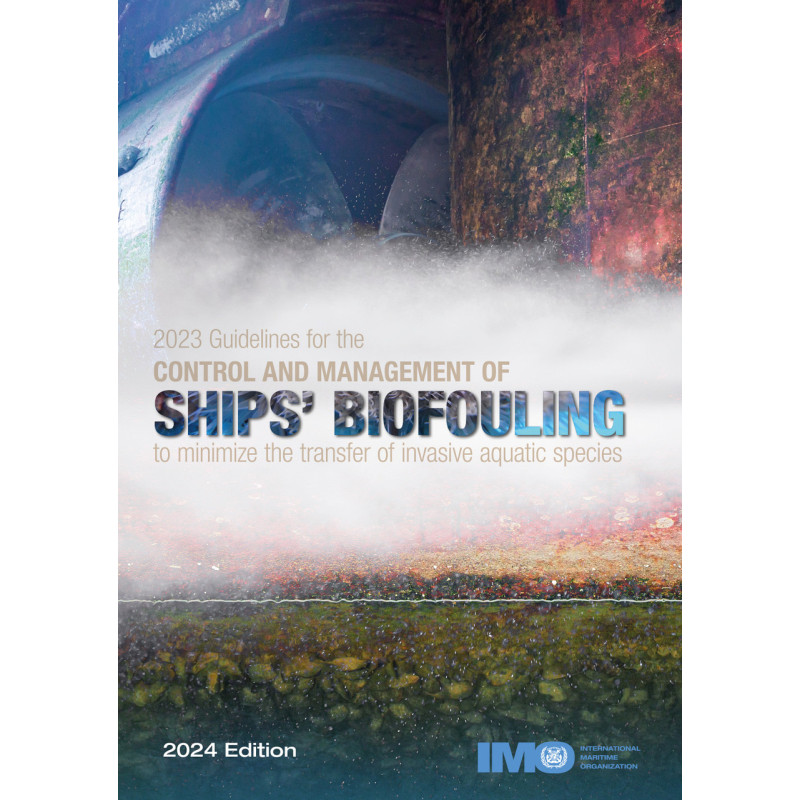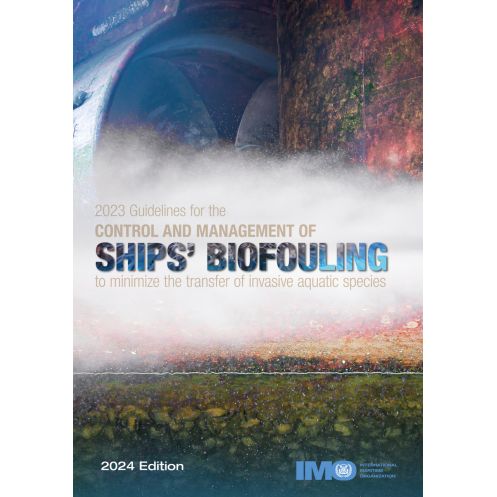


OMI - IMO662E - Guidelines for the Control and Management of Ship's Biofouling to Minimize the Transfer of Invasive Aquatic Spec
search
  • googlemap
  • OMI - IMO662E - Guidelines for the Control and Management of Ship's Biofouling to Minimize the Transfer of Invasive Aquatic Spec

IMO - 662E - Guidelines for the Control and Management of Ship's Biofouling to Minimize the Transfer of Invasive Aquatic Spec

€45.00
Tax included
OMI
In English language
Estimated preparation time: 5 to 14 days

Essential guidelines for controlling ship biofouling to prevent the spread of invasive aquatic species. A must-have resource for maritime professionals committed to protecting marine biodiversity.

IMO662E

Data sheet

What is the size?
paper medium
Picto
In English language

Specific References

UPC
400000009551
EAN13
4000000023791
New
Description détaillée

IMO 662E – Guidelines for the Control and Management of Ship’s Biofouling to Minimize the Transfer of Invasive Aquatic Species

Publication in English
Printed version

Protecting Marine Biodiversity with Internationally Recognized Standards

The maritime industry faces a critical challenge: the unintended transfer of invasive aquatic species through ship biofouling. This publication delivers the latest framework to address this global threat, offering a structured approach to managing biofouling on vessels. Designed for compliance with international regulations, these guidelines help shipping professionals mitigate environmental risks while maintaining operational efficiency. By adopting these measures, the industry can significantly reduce the spread of harmful organisms, safeguarding marine ecosystems and supporting sustainable maritime practices.

Comprehensive Framework for Biofouling Management

This publication provides a globally consistent methodology for controlling biofouling, a leading cause of marine biodiversity loss. It outlines best practices for preventing the accumulation of microorganisms, algae, and marine animals on submerged ship structures, particularly hulls. The guidelines are structured to be adaptable, evolving alongside scientific and technological advancements. They serve as a reference for port states, flag states, coastal states, and other stakeholders, ensuring a unified approach to environmental protection in the maritime sector.

Essential Resource for Maritime Professionals

Tailored for shipowners, operators, port authorities, and environmental compliance officers, this publication is an indispensable tool for navigating biofouling regulations. It offers practical solutions for implementing effective control measures, from hull cleaning protocols to monitoring systems. The guidelines also emphasize the importance of collaboration among industry stakeholders to achieve long-term environmental goals. With its clear, actionable recommendations, this resource supports the maritime sector in meeting both regulatory requirements and sustainability objectives.

Updated for 2024: Aligned with the Latest Scientific and Regulatory Developments

The 2024 edition of these guidelines reflects the most recent advancements in biofouling management. It incorporates updated scientific findings and technological innovations to provide the most effective strategies for minimizing the transfer of invasive species. As a living document, it will continue to evolve, ensuring that maritime professionals have access to the latest best practices. This publication is not just a compliance tool—it’s a commitment to preserving marine ecosystems for future generations.

Supporting Global Efforts to Combat Invasive Species

Invasive aquatic species pose a significant threat to marine biodiversity, often outcompeting native species and disrupting ecosystems. These guidelines play a crucial role in global efforts to curb this issue by providing a standardized approach to biofouling management. By following these recommendations, the maritime industry can contribute to the protection of vulnerable marine environments, ensuring the health and resilience of oceans worldwide. This publication is a cornerstone for any organization committed to environmental stewardship in shipping.

Combat the Spread of Invasive Aquatic Species with IMO’s Official Guidelines
The *IMO 662E – Guidelines for the Control and Management of Ship’s Biofouling to Minimize the Transfer of Invasive Aquatic Species* is the definitive resource for maritime professionals seeking to address one of the industry’s most pressing environmental challenges. Biofouling—the accumulation of marine organisms on ship hulls and submerged structures—is a leading vector for the introduction of invasive species, which can devastate local ecosystems and disrupt global biodiversity. This publication provides a globally recognized framework to help shipping companies, port authorities, and regulatory bodies implement effective biofouling management strategies, ensuring compliance with international standards while protecting marine environments.

Developed by the International Maritime Organization (IMO)
Created by the IMO, the United Nations agency responsible for regulating international shipping, these guidelines represent the gold standard for biofouling management. The 2024 edition builds on years of scientific research and industry collaboration, offering updated best practices that reflect the latest advancements in technology and environmental science. With 81 pages of detailed recommendations, this publication is an essential tool for anyone involved in the design, operation, or regulation of maritime vessels.

Practical Solutions for Real-World Challenges
This publication goes beyond theoretical guidance, providing actionable strategies for controlling biofouling throughout a ship’s lifecycle. It covers key areas such as hull cleaning and maintenance, the use of anti-fouling coatings, and monitoring protocols to assess biofouling risks. The guidelines also address the role of port states, flag states, and coastal states in enforcing compliance, ensuring a coordinated global effort to minimize the environmental impact of shipping. Whether you’re a shipowner, operator, or environmental compliance officer, these guidelines offer the tools you need to implement effective biofouling management practices.

Designed for Accessibility and Compliance
Available in a printed format, this publication is designed for easy reference and practical use in the field. Weighing 1.8 kg, it is a substantial yet manageable resource for professionals who need quick access to critical information. The guidelines are also available in a digital format, compatible with the IMO’s free e-reader, making them accessible to a global audience. With a DOI (https://doi.org/10.62454/KA662E) for easy citation and reference, this publication is a trusted source for maritime professionals worldwide.

This publication is the 2024 edition of the *IMO 662E – Guidelines for the Control and Management of Ship’s Biofouling to Minimize the Transfer of Invasive Aquatic Species*, offering the most up-to-date recommendations for biofouling management. Available in a printed format, it spans 81 pages and is published in English. Weighing 1.8 kg, this comprehensive guide is designed for durability and ease of use in professional settings. It is authored by the IMO and includes a DOI for academic and regulatory reference.

With a legacy of shaping global maritime standards, the organization behind this publication is a leading authority in international shipping regulations. Its guidelines and conventions are adopted worldwide, ensuring safety, security, and environmental protection across the maritime industry. This publication reflects its commitment to providing actionable, science-based solutions for the challenges facing modern shipping.

  • These guidelines provide a globally recognized framework for biofouling management, ensuring compliance with international regulations while protecting marine ecosystems.
  • They offer practical, actionable strategies for shipowners, operators, and regulatory bodies, helping to minimize the environmental impact of invasive aquatic species.
  • Updated for 2024, the publication reflects the latest scientific and technological advancements, making it an indispensable resource for maritime professionals committed to sustainability and operational efficiency.
What is the primary purpose of these guidelines?

The guidelines provide a globally consistent approach to minimize the transfer of invasive aquatic species through ship biofouling, helping protect marine biodiversity and ecosystems.

Are these guidelines updated regularly?

Yes, the guidelines are refined periodically based on advancements in scientific and technological knowledge to ensure they remain effective and up-to-date.

Who should implement these guidelines?

Port States, flag States, coastal States, and other relevant stakeholders are expected to implement these guidelines diligently.

Is there a digital version available?

Yes, a locked digital version is available and can be read using the free reader provided by the publisher.

How many pages does the printed version contain?

The printed version contains 81 pages.

What is the weight of the printed version?

The printed version weighs approximately 1.8 kg.

Is there a DOI available for citation purposes?

Yes, the DOI for citation is https://doi.org/10.62454/KA662E.

Loading...