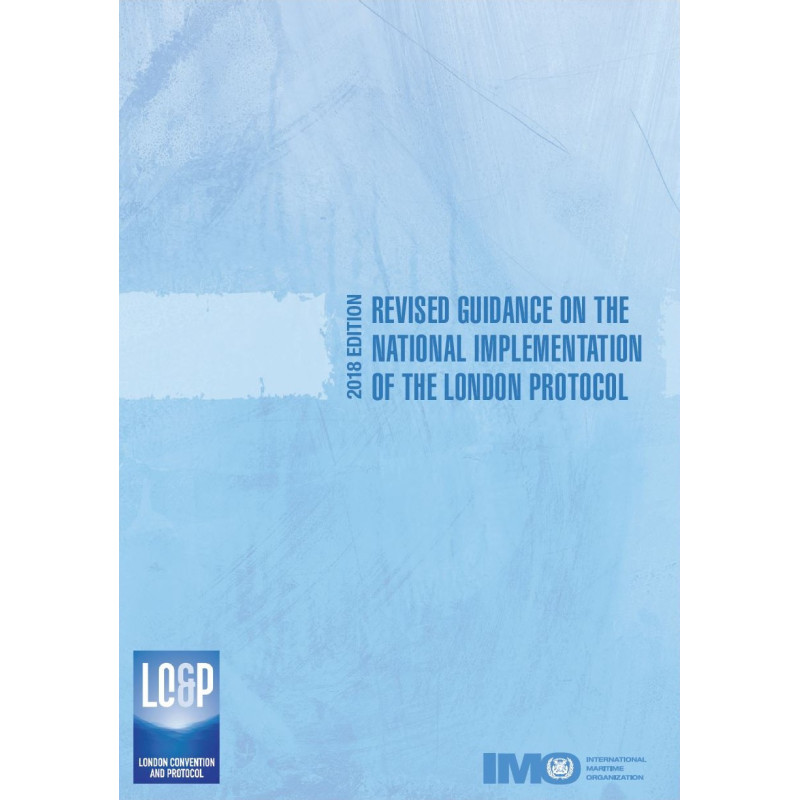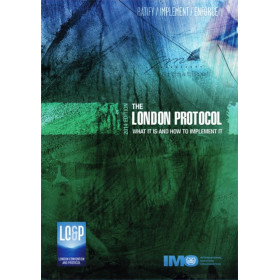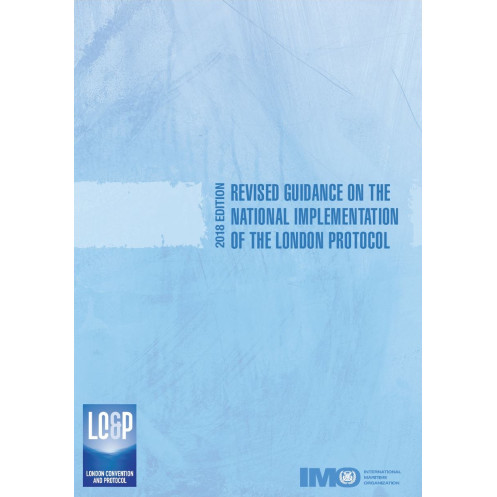




Official resource detailing the London Protocol’s implementation, including legal, technical, and economic insights. Supports governments in achieving compliance and sustainable marine practices.
Data sheet
Specific References
This official publication delivers authoritative guidance on the national implementation of the London Protocol, offering governments a structured approach to understanding its technical, economic, and legal implications. Designed as a practical tool for policymakers and maritime authorities, it supports the ratification, enforcement, and compliance processes—particularly for developing nations navigating the complexities of international maritime regulations.
The London Protocol establishes critical environmental protections for ocean dumping, requiring signatory states to align national legislation with its provisions. This revised guidance breaks down the protocol’s requirements into actionable steps, addressing key challenges such as waste assessment procedures, permitting systems, and monitoring obligations. By providing clear explanations and best practices, it helps administrations avoid common pitfalls in implementation while ensuring alignment with global standards.
Beyond theoretical explanations, this publication includes real-world examples of successful implementation strategies, making it an invaluable resource for technical experts, legal advisors, and environmental regulators. It clarifies ambiguous provisions without offering definitive interpretations, allowing national authorities to adapt the protocol’s principles to their specific legal and operational contexts. The 2018 edition reflects the latest updates, ensuring users access current and relevant information.
Tailored for professionals in the merchant marine sector, this guide bridges the gap between international obligations and national execution. Whether used by government agencies, port authorities, or environmental consultants, it provides the foundational knowledge needed to develop robust regulatory frameworks. Its structured format and accessible language make it suitable for both seasoned practitioners and those new to maritime environmental law.
From cost-benefit analyses of ratification to step-by-step guidance on establishing national oversight mechanisms, this publication covers all aspects of protocol adoption. It also highlights the role of regional cooperation, offering insights into how neighboring states can collaborate to strengthen enforcement and share resources. By addressing both procedural and substantive requirements, it ensures that implementation efforts are thorough, efficient, and legally sound.
Streamline National Compliance with the London Protocol
This official 2018 edition of the *Revised Guidance on the National Implementation of the London Protocol* provides governments and maritime authorities with a clear, actionable roadmap for adopting and enforcing the protocol’s environmental standards. Developed to assist developing nations and established maritime administrations alike, it translates complex legal and technical requirements into practical steps for ratification, permitting, and monitoring—ensuring full alignment with international obligations.
Technical and Legal Clarity for Maritime Stakeholders
Weighing 1.8 kg and presented in a durable paperback format, this 2018 publication is an indispensable reference for technical teams, legal advisors, and policymakers. It demystifies the protocol’s provisions without imposing rigid interpretations, allowing national authorities to adapt guidelines to their unique regulatory environments. Key topics include waste assessment frameworks, permitting procedures, and compliance monitoring—all critical for maintaining operational and environmental integrity.
Global Standards, Local Application
The London Protocol sets the benchmark for preventing marine pollution from dumping, and this guidance ensures its principles are implemented effectively at the national level. It addresses economic considerations, such as the costs of ratification versus long-term environmental benefits, while offering case studies of successful implementation strategies. Whether for government agencies, port authorities, or environmental consultants, this resource delivers the tools needed to establish robust, compliant regulatory systems.
Published in 2018, this paperback edition of the *Revised Guidance on the National Implementation of the London Protocol* is presented in English. The publication weighs 1.8 kg, making it a substantial yet portable reference for maritime professionals and government officials tasked with protocol compliance.
With decades of expertise in maritime regulation and international shipping standards, the publisher of this guidance is a leading authority in developing resources for governments, maritime administrations, and environmental agencies. Their publications are trusted worldwide for their accuracy, practicality, and alignment with global maritime conventions, ensuring users have access to reliable and up-to-date information for compliance and policy development.
It provides practical information to governments on the technical, economic, and legal implications of ratifying, implementing, and enforcing the London Protocol to assist national administrations.
No, this edition is only available in English.
No, it assists with implementation but does not provide a definitive interpretation of the protocol's provisions.
The printed version weighs 1.8 kg.
Yes, a digital version is also available alongside the printed edition.
This edition was published in 2018.
You might also like