


Essential guide for assessing and responding to chemical spills at sea, covering hazardous substances, safety protocols, and operational best practices for maritime incidents.
Data sheet
Specific References
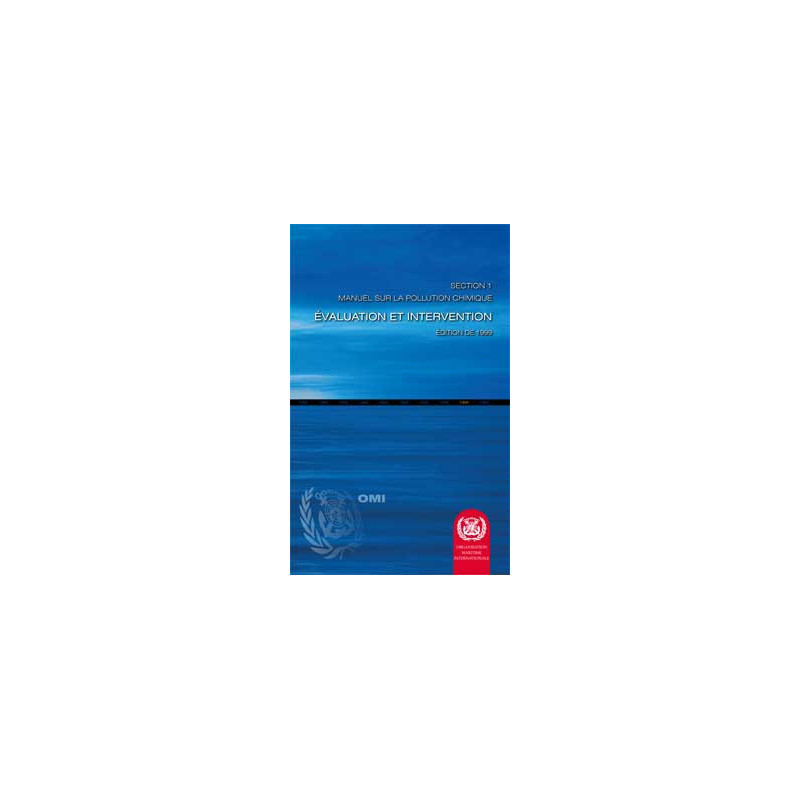
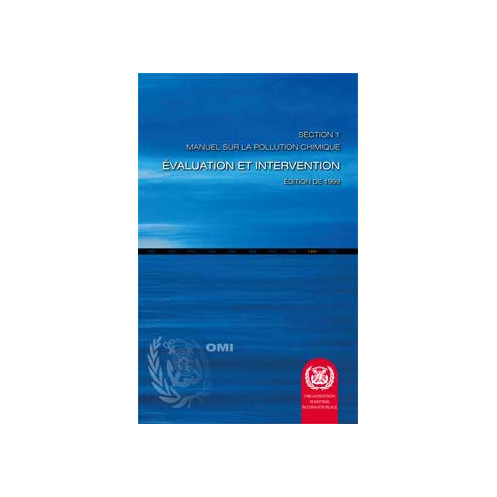
IMO 631F Chemical Pollution Manual – Section 1: A Vital Resource for Maritime Chemical Incident Response
When chemical spills threaten maritime safety, having the right expertise at your fingertips can mean the difference between controlled response and environmental disaster. The IMO 631F manual delivers precisely that—an authoritative, field-ready guide for assessing and managing hazardous and noxious substance (HNS) incidents at sea. This 118-page printed edition, published in January 1999, replaces outdated protocols with modern, actionable strategies tailored to the unique challenges of chemical pollution in marine environments.
Comprehensive Coverage for Diverse Chemical Hazards
From noxious liquids under MARPOL Annex II to dangerous goods classified under the IMDG Code, this manual addresses the full spectrum of chemical threats encountered in maritime operations. It provides structured methodologies for evaluating risks associated with gases (IGC Code) and solid bulk cargoes (BC Code), ensuring responders can assess hazards accurately regardless of cargo type. The guidance extends beyond assessment, offering clear frameworks for establishing response organizations and implementing safe, effective intervention measures during emergencies.
Designed for Real-World Maritime Operations
Weighing 1.8 kg and measuring 210 x 297 mm (A4 format), this paperback manual is built for durability and portability in field conditions. Its 250 x 210 mm dimensions make it easy to store on vessels, in emergency response kits, or in training facilities. The French-language content ensures accessibility for Francophone maritime professionals, while the print edition guarantees reliable access without dependency on digital devices or internet connectivity—critical for operations in remote or high-risk environments.
Trusted by Industry Leaders for Over Two Decades
Since its publication, this manual has become a cornerstone resource for governments, shipping companies, and emergency response teams worldwide. It aligns with international maritime safety standards, supporting compliance with global conventions while enhancing operational preparedness. Whether used for training, incident planning, or real-time decision-making, the IMO 631F manual provides the technical depth and practical insights needed to mitigate the impact of chemical pollution on marine ecosystems and human safety.
This 118-page printed manual, published in January 1999, delivers expert guidance on chemical pollution assessment and intervention for maritime professionals. Weighing 1.8 kg and measuring 210 x 297 mm (A4 format), it features a durable paperback binding designed for field use. The French-language edition provides comprehensive coverage of hazardous and noxious substances (HNS), including protocols for noxious liquids (MARPOL Annex II), dangerous goods (IMDG Code), gases (IGC Code), and solid bulk cargoes (BC Code).
With a legacy of setting global maritime safety standards, this organization is recognized as the leading authority in developing guidelines and publications for the shipping industry. Their resources are trusted by governments, shipping companies, and emergency response teams worldwide, ensuring compliance with international conventions and enhancing operational safety across the maritime sector.
The manual covers evaluation and intervention for spills of hazardous and noxious substances (HNS), including noxious liquids (MARPOL Annex II), dangerous goods (IMDG Code), gases (IGC Code), and solid cargoes (BC Code).
The digital version is locked and can only be read using the free IMO Bookshelf software.
The paperback version measures 210 mm in width and 297 mm in height, with a thickness of 250 mm.
The manual contains 118 pages.
Yes, this edition replaces the 1986 version and provides updated guidance for evaluating and responding to chemical pollution incidents.
Yes, it includes guidance on establishing response organizations and safe operational practices during incidents involving hazardous substances.
You might also like