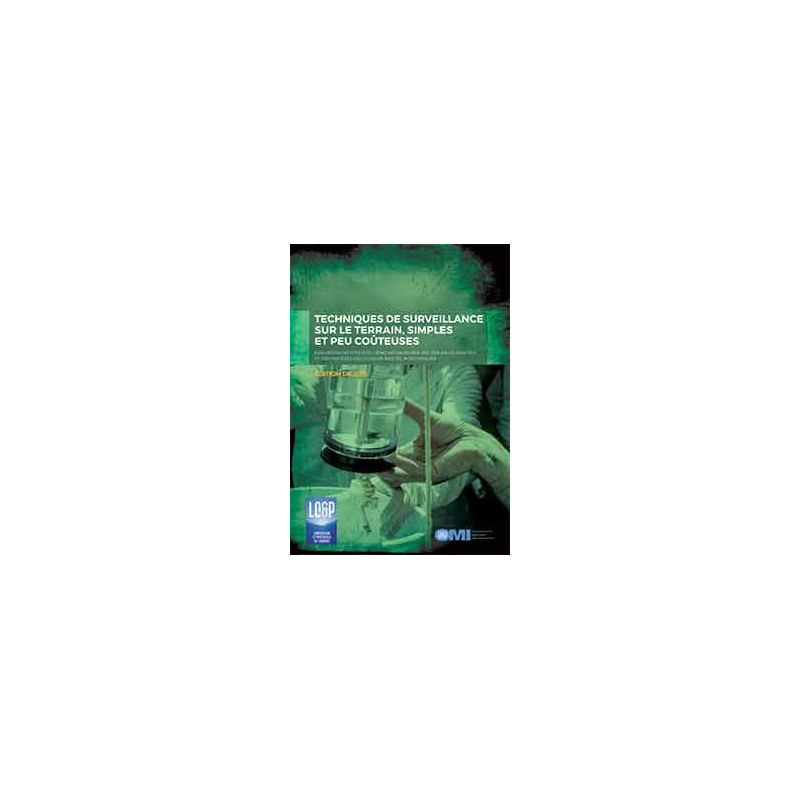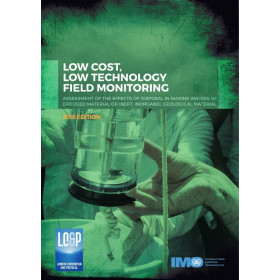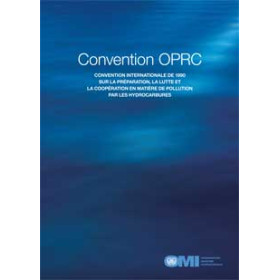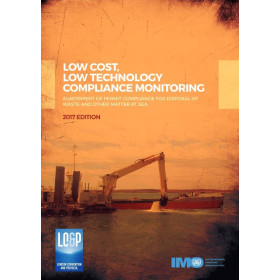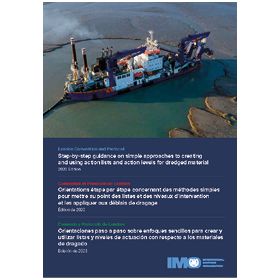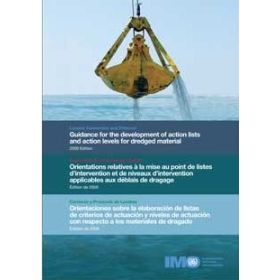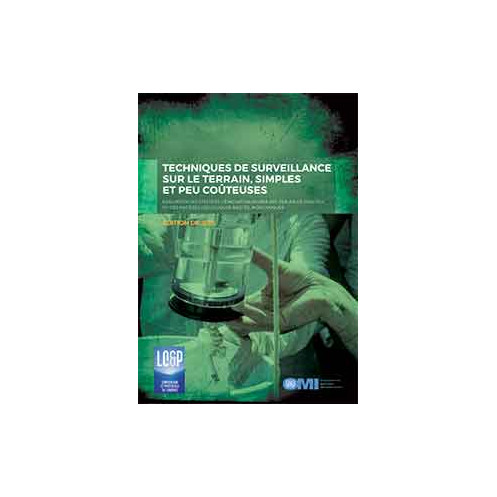



Affordable and straightforward field surveillance techniques for monitoring environmental impacts of sea disposal. Ideal for developing assessment and waste evaluation programs.
Data sheet
Specific References
This comprehensive manual delivers practical, field-tested techniques for monitoring potential environmental impacts linked to marine disposal of dredged materials and inert geological substances. Designed as a foundational resource, it equips professionals with cost-effective, low-tech tools to implement effective surveillance programs—particularly valuable for nations developing waste assessment and permitting frameworks for marine disposal operations.
Focused on accessibility, this publication bridges critical knowledge gaps for countries establishing environmental monitoring programs. It provides step-by-step methodologies that require minimal technological investment while maintaining scientific rigor. The content emphasizes real-world applicability, offering solutions that balance accuracy with affordability for regulatory agencies, port authorities, and environmental consultants working in resource-constrained settings.
The manual presents a systematic approach to environmental surveillance, covering everything from site selection to data interpretation. Readers will find detailed protocols for assessing sediment characteristics, water quality parameters, and biological indicators—all using equipment and techniques that are readily available and budget-friendly. The guide includes practical considerations for fieldwork in coastal and offshore environments, addressing common challenges faced during monitoring campaigns.
Aligned with international maritime standards, this resource supports compliance with environmental regulations governing marine disposal activities. It offers clear guidance on designing monitoring programs that meet permitting requirements while providing actionable data for decision-making. The content is particularly relevant for professionals involved in environmental impact assessments, waste management planning, and regulatory enforcement in the maritime sector.
Whether used as a training manual, reference guide, or field companion, this publication serves multiple purposes. Environmental managers will appreciate its practical focus on implementation, while researchers can leverage its methodologies for baseline studies. The paperback format ensures durability for field use, making it an ideal resource for professionals who need reliable information in challenging marine environments.
Field Surveillance Techniques: Simple and Low-Cost Methods
Discover the definitive guide to implementing effective environmental monitoring programs without breaking the budget. This 1.8 kg paperback manual delivers field-tested surveillance techniques specifically designed for assessing impacts from marine disposal operations. Whether you're managing dredged materials or inert geological substances, this resource provides the practical tools needed to establish robust monitoring programs in compliance with international maritime standards.
Cost-Effective Solutions for Developing Nations
Developed as a foundational resource for countries building their environmental assessment capabilities, this manual focuses on low-tech, affordable methodologies that don't compromise on scientific validity. The 180+ page guide offers step-by-step protocols for monitoring sediment characteristics, water quality parameters, and biological indicators—all using equipment that's readily available in most regions. Perfect for regulatory agencies, port authorities, and environmental consultants working with limited resources.
Field-Ready Methodologies for Immediate Implementation
The publication bridges the gap between theory and practice, providing actionable guidance for real-world monitoring scenarios. From site selection to data interpretation, each chapter delivers practical considerations for coastal and offshore fieldwork. The durable paperback format ensures reliability in challenging marine environments, while the French-language content makes it accessible to French-speaking maritime professionals worldwide.
Compliance Support for Marine Disposal Operations
Aligned with international maritime environmental standards, this manual supports compliance with permitting requirements for marine disposal activities. It offers clear frameworks for designing monitoring programs that generate actionable data for decision-making. Environmental managers will find particular value in the practical focus on implementation, while researchers can leverage the methodologies for baseline studies and impact assessments.
This practical manual comes in a durable 1.8 kg paperback format, designed for field use in marine environments. The French-language edition spans approximately 180 pages of technical content, providing comprehensive coverage of low-cost surveillance techniques. The physical dimensions are optimized for portability while maintaining readability of diagrams, charts, and field protocols. As a paper-based resource, it offers immediate access to critical information without requiring electronic devices or internet connectivity—ideal for remote monitoring locations.
With decades of expertise in maritime publications, the publisher specializes in developing technical resources that bridge the gap between international standards and practical implementation. Their comprehensive catalog serves the global maritime community, offering solutions that support environmental compliance, operational safety, and professional development across the industry. Each publication undergoes rigorous review to ensure alignment with current regulations and best practices in the maritime sector.
The manual focuses on potential environmental impacts linked to the disposal at sea of dredged materials or inert and inorganic geological materials, using low-cost and low-tech monitoring techniques.
Yes, it is primarily designed for countries or organizations in the early stages of developing waste assessment and monitoring programs related to sea disposal permits.
The manual is available in a paper format and a secured digital version, readable with the free e-reader provided.
The paper version weighs 1.8 kg.
No, it specifically covers simple, low-cost, and low-technology techniques for field monitoring.
You might also like