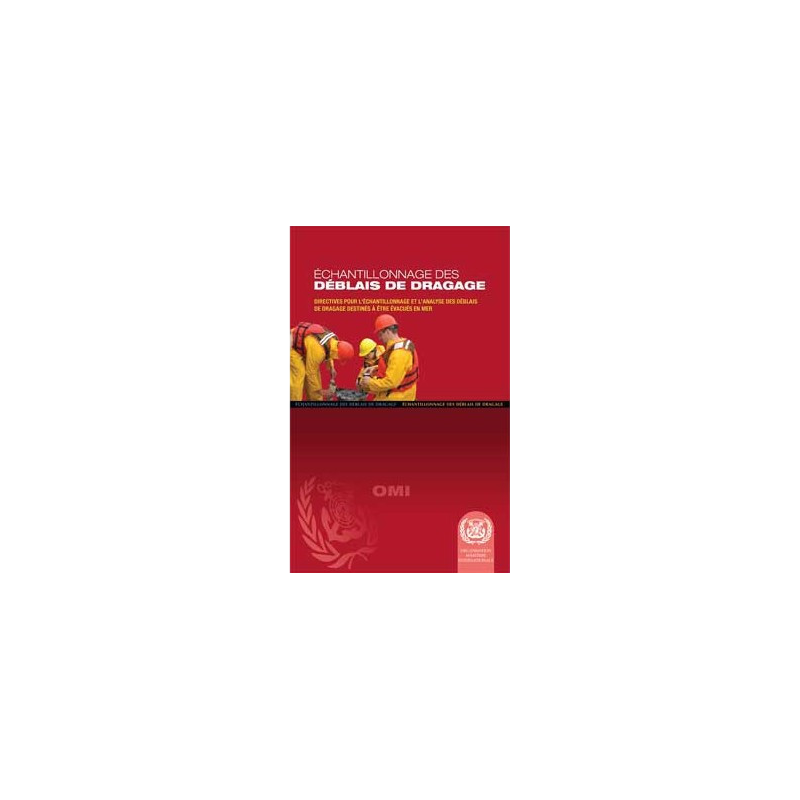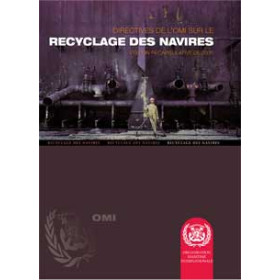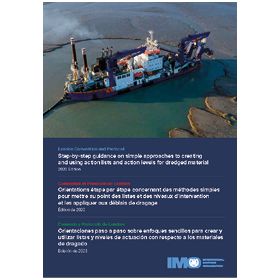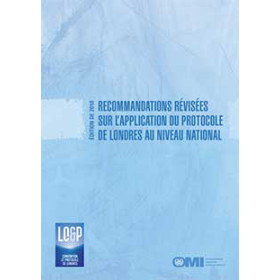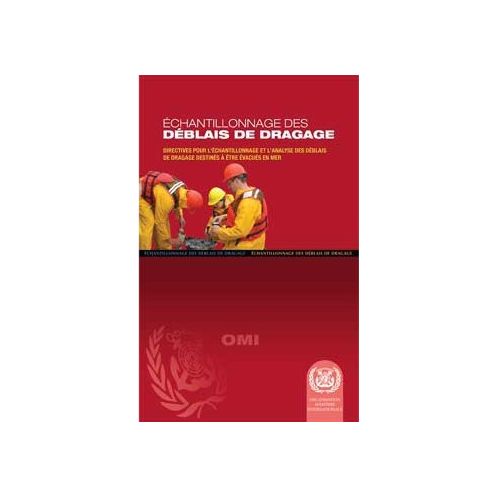



This French guide provides protocols for sampling and analyzing dredged materials for sea disposal. Covers physical, chemical, and biological testing to ensure compliance with global standards.
Data sheet
Specific References
Comprehensive Guidelines for Responsible Dredged Material Management
Discover the authoritative reference for sampling and analyzing dredged material destined for sea disposal, developed under the London Convention 1972 and its 1996 Protocol. This essential publication consolidates international best practices into a single, practical guide for marine professionals, combining two critical documents: "Guidelines for the sampling of sediment intended for disposal at sea" and "Selection and analysis of physical and chemical parameters for the assessment of dredged material quality."
Internationally Recognized Standards for Marine Environmental Protection
Adopted in 2000 and building upon the 1997 Waste Assessment Guidelines (WAG), these directives establish the global benchmark for evaluating dredged material. The publication provides a complete framework for assessing eight types of waste permitted for sea disposal, with specialized protocols for dredged sediments. Marine operators gain access to science-based methodologies that ensure compliance with international environmental regulations while maintaining operational efficiency.
Field-Ready Protocols for Accurate Sediment Assessment
This guide delivers actionable procedures for every stage of dredged material evaluation, from identifying substances of concern to implementing proper sampling techniques. The protocols cover physical, chemical, and biological analysis methods, with detailed instructions for on-site collection and laboratory testing. Professionals will find clear, step-by-step guidance for characterizing sediment quality, enabling informed decision-making about disposal options while protecting marine ecosystems.
Essential Compliance Tool for Marine Industry Professionals
Weighing 1.8 kg, this printed French-language edition serves as an indispensable desk reference for port authorities, dredging contractors, environmental consultants, and regulatory agencies. The publication's comprehensive coverage of assessment parameters and sampling methodologies makes it a vital resource for ensuring environmental protection during maritime infrastructure projects and maintenance dredging operations.
This printed French-language publication provides comprehensive guidelines for dredged material assessment, weighing 1.8 kg in a durable paper format. The 537F reference document consolidates international sampling and analysis protocols into a single authoritative resource for marine professionals.
For over seven decades, this organization has established the global standards for maritime safety and environmental protection. As the specialized United Nations agency responsible for regulating international shipping, their publications represent the definitive reference materials for marine industry professionals worldwide. The technical documents and guidelines developed by this organization form the foundation of maritime environmental compliance, ensuring sustainable operations across the world's oceans.
These guidelines provide standardized procedures for sampling and analyzing dredged material intended for sea disposal, ensuring compliance with the London Convention 1972 and its 1996 Protocol.
It includes the 1997 Waste Assessment Guidelines (WAG) for eight types of permitted sea disposal waste, along with specific guidelines for dredged material adopted in 2000.
The document covers physical, chemical, and biological analyses, including site sampling procedures and the selection of concerning substances and effects to evaluate.
Yes, a digital version exists in a locked format, readable with a free dedicated reader.
It merges two key documents: guidelines for sediment sampling and procedures for selecting and analyzing physical and chemical parameters to assess dredged material quality.
Yes, it aligns with international regulations under the London Convention and its 1996 Protocol for sea disposal of dredged material.
You might also like