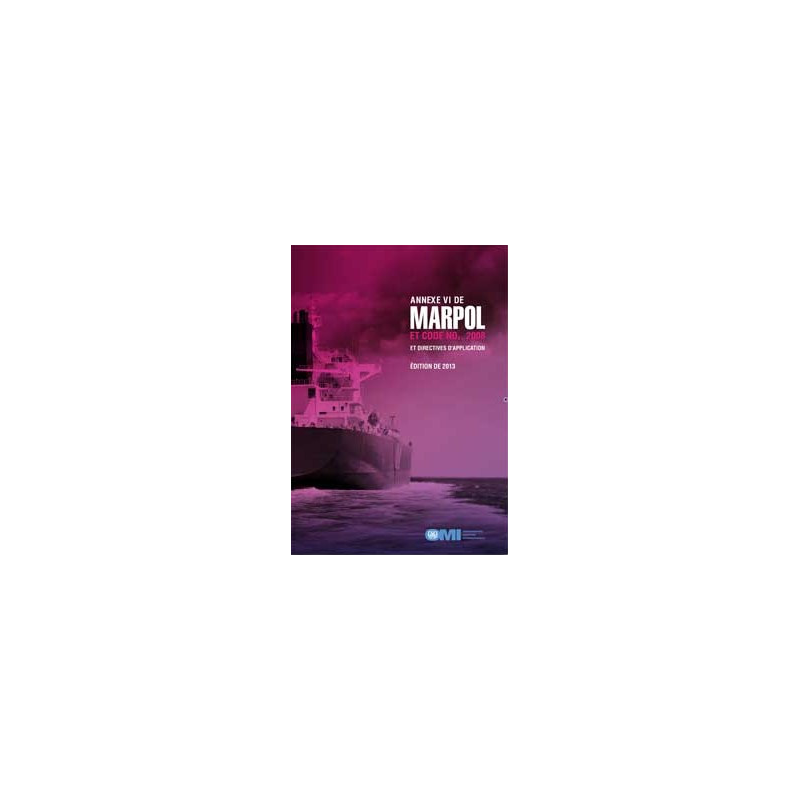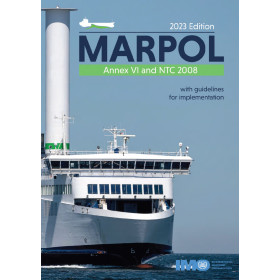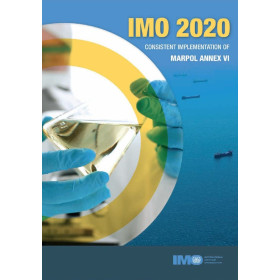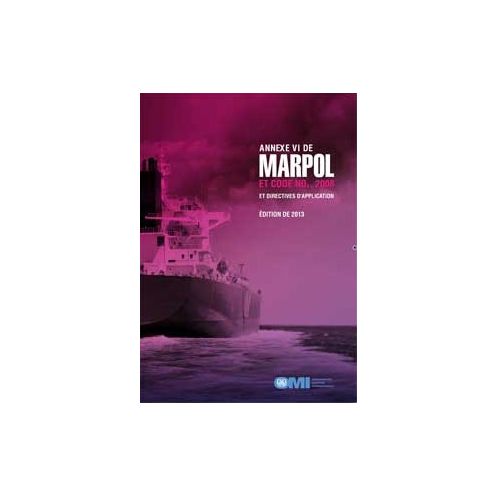




Master MARPOL Annex VI and NOx 2008 Code requirements with this 2023 guide. Features energy efficiency standards, emission controls, and practical directives for compliance in the maritime industry.
Data sheet
Specific References
The maritime industry faces ever-evolving environmental regulations, and staying compliant requires precise, up-to-date knowledge. This essential publication delivers the complete text of the revised MARPOL Annex VI, a cornerstone of international maritime law focused on preventing air pollution from ships. Designed for professionals who demand accuracy and clarity, this 2023 edition provides the latest amendments, technical codes, and implementation guidelines in French, ensuring seamless integration into daily operations for French-speaking maritime stakeholders.
At the heart of this publication lies the revised MARPOL Annex VI, which establishes critical regulations for reducing harmful emissions from ships. Chapter 3 outlines stringent controls on ship emissions, addressing pollutants that impact air quality and public health. These regulations are not just legal requirements—they represent a global commitment to sustainable maritime practices. By adhering to these standards, shipping companies, engine manufacturers, and maritime administrations can ensure their vessels operate within the bounds of international law while minimizing their environmental footprint.
Since January 1, 2013, the maritime industry has been required to meet groundbreaking energy efficiency standards under Chapter 4 of MARPOL Annex VI. This publication details the mandatory Energy Efficiency Design Index (EEDI) for new ships, a metric that quantifies a vessel’s energy efficiency based on its design. Additionally, it covers the Ship Energy Efficiency Management Plan (SEEMP), a requirement for all ships to optimize their operational energy use. These measures are not just about compliance—they drive innovation, reduce fuel consumption, and lower greenhouse gas emissions, making them indispensable for the future of shipping.
Beyond the regulations themselves, this publication includes the updated NOx Technical Code 2008, which provides detailed technical requirements for nitrogen oxide (NOx) emission controls. Amendments address critical aspects such as non-pre-certified engines and NOx reduction devices, ensuring that all stakeholders—from engine manufacturers to ship operators—have the tools to meet emission standards. The book also features comprehensive guidelines for calculating the EEDI, developing SEEMPs, and conducting EEDI surveys and certifications. These resources are designed to foster uniform implementation across the industry, reducing ambiguity and ensuring consistent compliance.
The publication also addresses regional arrangements for port reception facilities under MARPOL Annex VI, reflecting the growing importance of localized environmental efforts. Ports and maritime authorities can use this information to develop infrastructure that supports compliance with air pollution regulations, further enhancing the industry’s sustainability. Whether for port operators, maritime administrations, or shipping companies, these guidelines provide a roadmap for aligning regional practices with global standards.
This publication is more than just a regulatory text—it is a practical tool for anyone involved in the maritime sector. Maritime administrations rely on it to enforce compliance, classification societies use it to verify adherence to standards, and shipping companies depend on it to optimize vessel performance. Educational institutions integrate it into their curricula to train the next generation of maritime professionals, while engine and equipment manufacturers reference it to ensure their products meet the latest requirements. For anyone committed to reducing air pollution and improving energy efficiency in shipping, this book is an indispensable resource.
Your Essential Guide to MARPOL Annex VI and NOx 2008 Compliance in French
Navigating the complexities of maritime environmental regulations requires a reliable, up-to-date resource—and this 2023 printed edition of MARPOL Annex VI, the NOx 2008 Code, and implementation guidelines delivers exactly that. Designed for French-speaking maritime professionals, this publication provides the complete text of the revised Annex VI, which sets the global standard for preventing air pollution from ships. It includes the latest amendments, such as the mandatory Energy Efficiency Design Index (EEDI) for new vessels and the Ship Energy Efficiency Management Plan (SEEMP) for all ships, ensuring you stay ahead of regulatory requirements. With a focus on clarity and practicality, this book is an indispensable tool for compliance, operational efficiency, and sustainability in the maritime industry.
Comprehensive Coverage of Emission Controls and Energy Efficiency Standards
This publication goes beyond basic regulations by offering in-depth coverage of Chapter 3 and Chapter 4 of MARPOL Annex VI. Chapter 3 outlines the controls on ship emissions, addressing pollutants like nitrogen oxides (NOx), sulfur oxides (SOx), and particulate matter. Chapter 4 introduces groundbreaking energy efficiency measures, including the EEDI and SEEMP, which have been mandatory since 2013. These chapters are supported by detailed definitions, certification requirements, and the format for the International Energy Efficiency Certificate (IEEC), providing everything you need to ensure your vessels meet international standards. Whether you’re an operator, administrator, or manufacturer, this book equips you with the knowledge to implement these regulations effectively.
Updated NOx Technical Code and Practical Implementation Guidelines
The 2023 edition includes the fully updated NOx Technical Code 2008, which details the technical requirements for NOx emission controls. Recent amendments address critical areas such as non-pre-certified engines and NOx reduction devices, ensuring that all stakeholders—from engine manufacturers to ship operators—can meet the latest standards. The publication also provides essential guidelines for calculating the EEDI, developing SEEMPs, and conducting EEDI surveys and certifications. These resources are designed to promote uniform implementation across the industry, reducing ambiguity and ensuring consistent compliance. Additionally, the book covers regional arrangements for port reception facilities, helping ports and maritime authorities align their infrastructure with global environmental goals.
Designed for Professionals Across the Maritime Sector
Weighing 1.8 kg, this printed edition is built for durability and ease of use, making it ideal for onboard reference, office use, or classroom instruction. It serves as a critical resource for maritime administrations, classification societies, shipping companies, educational institutions, and equipment manufacturers. By providing the latest regulatory texts and practical guidelines in French, this publication ensures that French-speaking professionals can confidently navigate the complexities of air pollution prevention and energy efficiency in shipping. Stay compliant, optimize performance, and contribute to a more sustainable maritime future with this essential guide.
This 2023 printed edition of MARPOL Annex VI, the NOx 2008 Code, and implementation guidelines is presented in French, offering a comprehensive resource for maritime professionals. The book is published in a durable paper format, weighing 1.8 kg, and is brand new, ensuring you receive the most current and accurate information available.
With a long-standing reputation in the maritime industry, the publisher of this essential regulatory text is recognized for providing authoritative, up-to-date resources that support compliance and operational excellence. Their publications are trusted by maritime administrations, shipping companies, and educational institutions worldwide, making them a cornerstone of the global maritime community.
The energy efficiency regulations, including the Energy Efficiency Design Index (EEDI) and Ship Energy Efficiency Management Plan (SEEMP), have been in effect since January 1, 2013.
Yes, it includes the 2012 Guidelines on the method of calculation of the attained EEDI for new ships, along with reference lines for EEDI calculation.
Yes, this edition includes updates to the NOx Technical Code 2008, covering amendments related to non-pre-certified engines and NOx reduction devices.
The printed version weighs 1.8 kg.
Yes, a locked digital version is available and can be read using the free reader provided.
The new regulations require the International Energy Efficiency Certificate (IEEC), with its format detailed in this publication.
Yes, it includes amendments on regional arrangements for port reception facilities under the relevant regulations.
You might also like