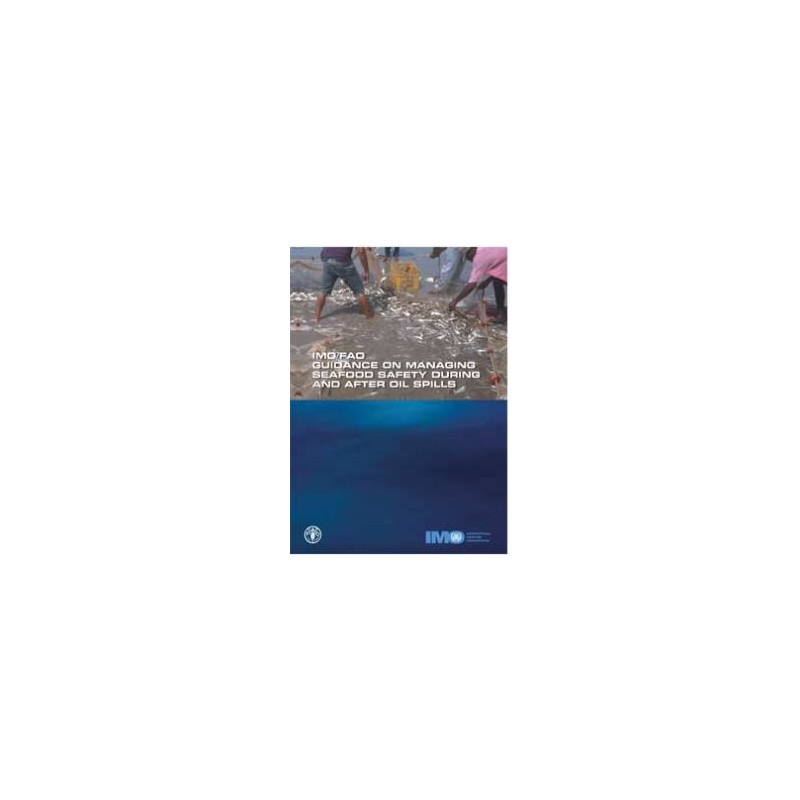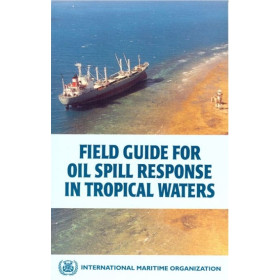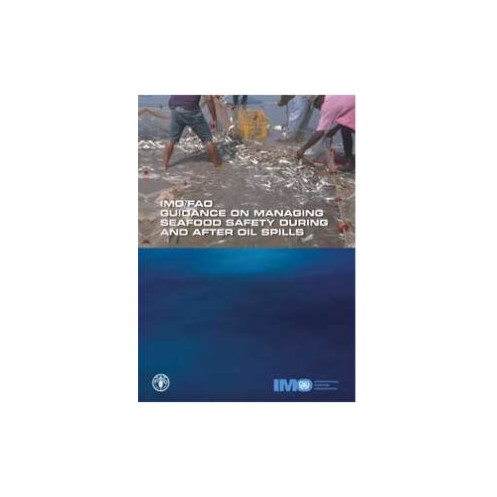




Essential guidance for ensuring seafood safety during and after oil spills, developed by IMO and FAO. A critical resource for disaster responders, fisheries professionals, and public health managers.
Data sheet
Specific References
When an oil spill occurs, the safety of seafood becomes a critical concern for public health, fisheries, and aquaculture industries. This comprehensive guide, developed by the International Maritime Organization (IMO) and the Food and Agriculture Organization (FAO), provides a structured approach to managing seafood safety during and after oil spill incidents. Designed for disaster responders, public health managers, fisheries professionals, and safety-conscious consumers, this publication delivers actionable insights to mitigate risks and protect marine resources.
Originally commissioned by the Marine Environment Protection Committee (MEPC) during its 41st session, this guidance document was crafted by leading experts, including Dr. Tosh Moller of the International Tanker Owners Pollution Federation Ltd. (ITOPF). After rigorous revisions by the OPRC Working Group, FAO, and other stakeholders, it was approved for joint publication by IMO and FAO at the 46th MEPC session. This collaborative effort ensures that the guidance reflects the latest best practices in seafood safety and oil spill response.
Oil spills pose complex threats to fisheries and aquaculture, from contamination risks to economic disruptions. This guide addresses these challenges by offering clear, step-by-step recommendations for assessing and managing seafood safety. Whether you're a disaster response coordinator, a fisheries manager, or a public health official, this resource equips you with the tools to make informed decisions, safeguard public health, and minimize the long-term impact on marine ecosystems and industries.
As a joint publication by two of the most authoritative organizations in maritime and food safety, this guide is recognized as a benchmark for managing seafood safety in oil spill scenarios. Its practical approach and expert-backed content make it an indispensable reference for professionals tasked with protecting marine resources and ensuring the safety of seafood supplies. Stay prepared and informed with this essential resource.
Protect Seafood Safety with Expert Guidance on Oil Spill Response
In the aftermath of an oil spill, ensuring the safety of seafood is a top priority for fisheries, aquaculture businesses, and public health authorities. The *IMO/FAO Guidance on Managing Seafood Safety During and After Oil Spills* is a critical resource designed to help professionals navigate the complexities of contamination risks, regulatory compliance, and crisis management. Developed by the International Maritime Organization (IMO) and the Food and Agriculture Organization (FAO), this guide provides a structured framework for assessing and mitigating the impact of oil spills on seafood safety, making it an indispensable tool for disaster responders, fisheries managers, and public health officials.
Developed by Industry Experts for Real-World Application
This 32-page guide was meticulously crafted by leading experts, including contributions from Dr. Tosh Moller of the International Tanker Owners Pollution Federation Ltd. (ITOPF). Commissioned by the Marine Environment Protection Committee (MEPC) and refined through collaboration with the OPRC Working Group and FAO, the document reflects the latest scientific and regulatory advancements in oil spill response. Published in 2002, it remains a trusted reference for professionals worldwide, offering practical solutions to safeguard seafood supplies and protect public health during and after oil spill incidents.
Comprehensive Coverage for High-Stakes Decision-Making
Oil spills present unique challenges for the seafood industry, from contamination risks to economic losses. This guide addresses these challenges by providing clear, actionable recommendations for assessing seafood safety, implementing monitoring protocols, and communicating risks to stakeholders. Whether you're managing a fisheries operation, coordinating a disaster response, or ensuring compliance with food safety regulations, this resource equips you with the knowledge to make informed decisions under pressure. Its structured approach ensures that you can act swiftly and effectively to minimize the impact of oil spills on marine ecosystems and seafood supplies.
Trusted by Professionals Across the Maritime and Food Safety Sectors
As a joint publication by the IMO and FAO, this guide carries the authority of two of the most respected organizations in maritime and food safety. Its practical insights and expert-backed recommendations have made it a go-to resource for professionals tasked with protecting seafood safety in the wake of oil spills. Whether you're a disaster response coordinator, a fisheries manager, or a public health official, this guide provides the tools you need to navigate the complexities of oil spill response and ensure the safety of seafood for consumers worldwide.
This essential guide is a 32-page printed publication in English, published in January 2002. It is designed for professionals in the maritime and fisheries sectors, offering a comprehensive framework for managing seafood safety during and after oil spills. The document is available in a physical format, making it a reliable and accessible resource for field use and reference.
With a legacy of expertise in maritime safety and regulatory guidance, this organization is a leading authority in developing standards and best practices for the global maritime industry. Collaborating with international bodies such as the Food and Agriculture Organization (FAO), it provides essential resources to address critical challenges like oil spill response, ensuring the safety of marine ecosystems and seafood supplies worldwide.
This guidance was developed jointly by the International Maritime Organization (IMO) and the Food and Agriculture Organization of the United Nations (FAO).
The document is intended for disaster responders, public health managers, fisheries professionals, and consumers concerned about seafood safety and quality.
The guidance was published in January 2002.
The printed version contains 32 pages.
No, the guidance is only available in English.
The printed version weighs approximately 1.8 kg.
Yes, it is available in a digital format through the IMO e-publications platform.
You might also like