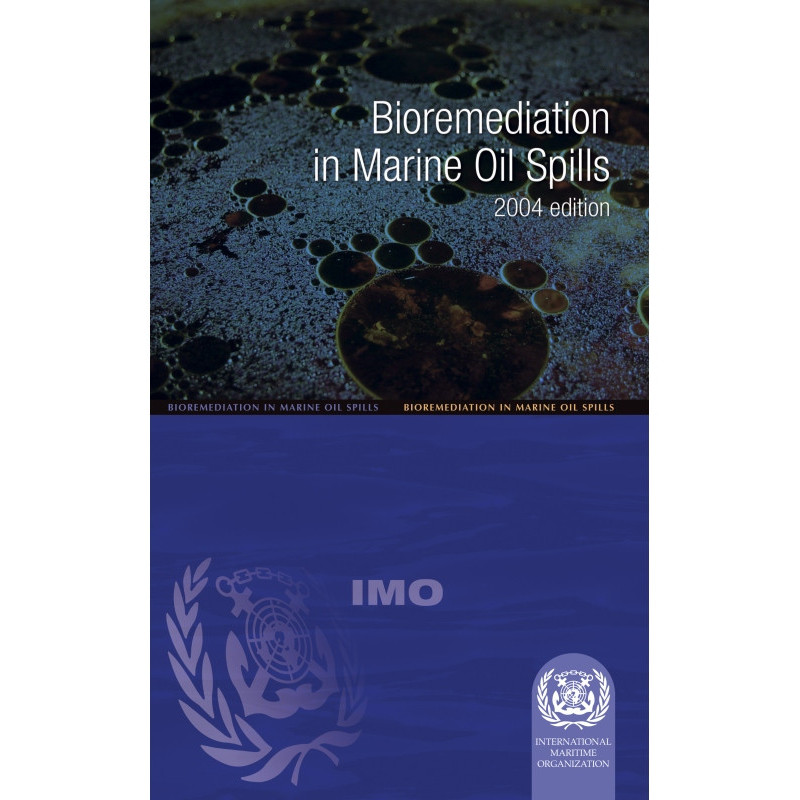




Expert guidelines for assessing bioremediation in marine oil spill cleanup. This 2004 edition covers key processes, decision criteria, and monitoring strategies to enhance coastal recovery efforts.
Data sheet
Specific References
Discover the definitive resource for evaluating bioremediation strategies in coastal cleanup operations following marine oil spills. This publication delivers a comprehensive framework for understanding biological remediation processes, offering marine professionals science-backed methodologies to enhance environmental recovery efforts. With a focus on real-world applicability, it bridges the gap between theoretical research and practical implementation in spill response scenarios.
Drawing from landmark oil spill events—including the Amoco Cadiz, Exxon Valdez, Braer, Sea Empress, Erika, and Prestige disasters—this guide synthesizes decades of field-tested approaches. It presents decision-making criteria for selecting bioremediation techniques, from nutrient enrichment to microbial augmentation, while addressing critical considerations like monitoring protocols and potential ecological trade-offs. The publication equips maritime stakeholders with the tools to assess when and how to deploy these environmentally conscious solutions effectively.
Designed for marine industry experts, environmental consultants, and regulatory authorities, this document provides a structured approach to evaluating bioremediation’s role in spill response. It details the biological processes underlying oil degradation, outlines strategic implementation frameworks, and offers guidance on measuring treatment efficacy. The inclusion of case studies from global incidents ensures the content remains grounded in practical, field-validated insights rather than purely academic theory.
Beyond technical guidelines, this publication serves as a knowledge hub for advancing eco-friendly spill management practices. It includes curated recommendations for further reading, enabling professionals to deepen their expertise in biological remediation. While it does not cover waste treatment protocols, its focus on coastal cleanup makes it an indispensable reference for those prioritizing minimal environmental disruption in recovery operations. The 2004 edition remains a cornerstone resource for integrating bioremediation into modern maritime environmental strategies.
Innovative Solutions for Marine Oil Spill Remediation
This authoritative publication from the International Maritime Organization (IMO) presents a groundbreaking approach to addressing one of the maritime industry’s most persistent environmental challenges. As oil spills continue to threaten coastal ecosystems, this guide offers a scientifically validated framework for leveraging natural biological processes to accelerate oil degradation, reducing long-term ecological damage while minimizing reliance on chemical dispersants or mechanical cleanup methods.
Field-Tested Methodologies for Coastal Cleanup
Developed in response to catastrophic spills like the Exxon Valdez and Erika disasters, this document distills decades of research into actionable strategies. It provides marine professionals with a structured decision-making process for evaluating bioremediation’s applicability in diverse spill scenarios, from nutrient bioaugmentation to microbial seeding. The guide emphasizes real-world adaptability, ensuring techniques can be tailored to specific environmental conditions, oil types, and regulatory requirements.
Comprehensive Technical Resource for Industry Experts
Weighing 1.8 kg and spanning 53 pages, this 2004 edition delivers a concise yet thorough exploration of bioremediation’s role in marine pollution control. Published in January 2005, it remains a critical reference for environmental consultants, spill response teams, and maritime authorities. The publication includes detailed protocols for monitoring treatment efficacy, assessing ecological risks, and optimizing resource allocation—key factors in balancing rapid response with environmental stewardship.
Global Standards for Sustainable Spill Management
As the maritime industry faces increasing pressure to adopt eco-friendly practices, this IMO publication sets the benchmark for integrating biological remediation into spill response plans. It aligns with international environmental regulations while offering practical insights for implementation in both developed and developing coastal regions. The inclusion of case studies from high-profile incidents ensures the content is rooted in proven, scalable solutions rather than theoretical models.
This 53-page printed guide, published in January 2005, presents the 2004 edition of IMO’s bioremediation guidelines for marine oil spills. Weighing 1.8 kg, the publication is authored by the International Maritime Organization and is available exclusively in English. It focuses on biological remediation strategies for coastal cleanup, excluding waste treatment protocols, and includes supplementary reading recommendations for further exploration of the subject.
The International Maritime Organization (IMO) is the United Nations’ specialized agency responsible for regulating global shipping standards. Renowned for developing international maritime conventions, the IMO provides critical guidance on safety, security, and environmental best practices for the marine industry. Its publications serve as essential references for governments, shipping companies, and environmental agencies worldwide, ensuring consistent, science-based approaches to maritime challenges.
The document summarizes key bioremediation processes, including decision criteria, strategies, and methods for monitoring effectiveness and detecting potential adverse effects.
It references incidents like Amoco Cadiz (France, 1978), Exxon Valdez (USA, 1989), Braer (UK, 1993), Sea Empress (UK, 1996), Erika (France, 1999), and Prestige (Spain, 2002).
The digital version is in a locked format and requires the free official e-reader for access.
No, it does not cover the treatment of waste resulting from oil spills.
The printed version contains 53 pages.
The publication date is January 2005, covering the 2004 edition.
You might also like