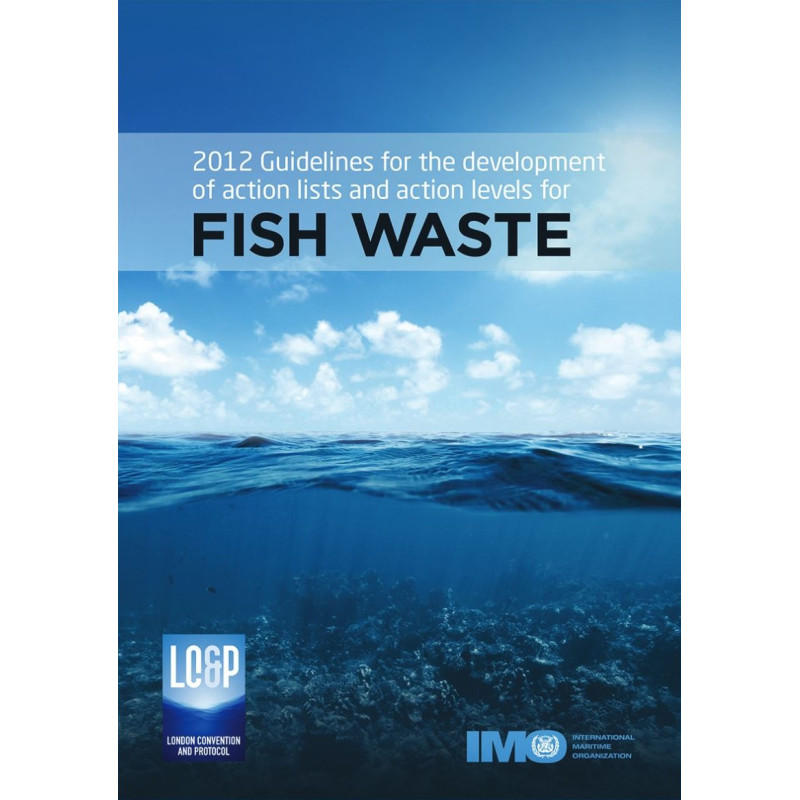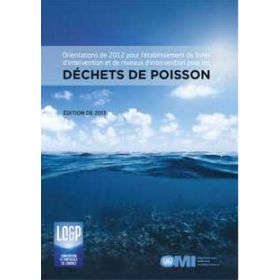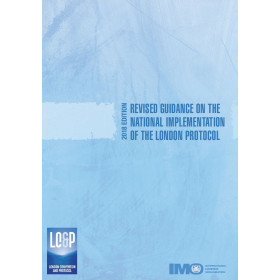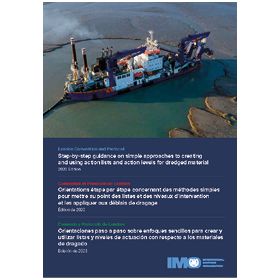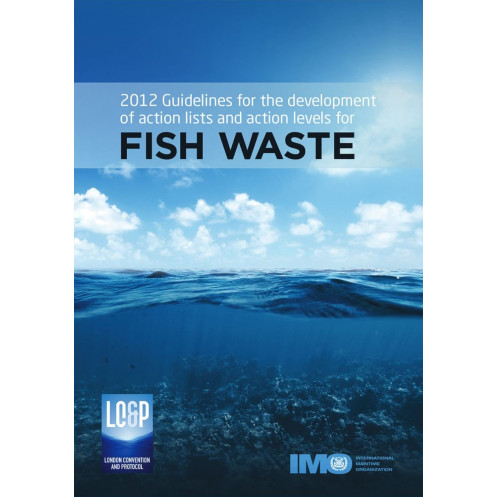


OMI - IMO539E - Guidelines for the Development of Action Lists and Action Levels for Fish Waste
search
  • googlemap
  • OMI - IMO539E - Guidelines for the Development of Action Lists and Action Levels for Fish Waste

IMO - 539E - Guidelines for the Development of Action Lists and Action Levels for Fish Waste

€30.60
Tax included
OMI
In English language
Estimated preparation time: 5 to 14 days

Essential guidelines for regulators to establish action lists and levels for fish waste disposal at sea, ensuring compliance with international marine pollution standards.

IMO539E

Data sheet

On what digital medium is this nautical chart / book stored?
paper medium
What is the size?
paper medium
Picto
In English language

Specific References

UPC
400000009681
EAN13
4000000023876
New
Description détaillée

IMO Guidelines for the Development of Action Lists and Action Levels for Fish Waste

Publication in English
Paperback edition

Essential Compliance Resource for Marine Pollution Prevention

This comprehensive guide delivers expert direction for regulators and policymakers tasked with managing fish waste disposal at sea. Developed to support the implementation of the 1972 London Convention and its 1996 Protocol, these guidelines provide a structured framework for establishing action lists and defining appropriate action levels. The methodology presented offers a versatile approach that can be adapted to various regulatory instruments beyond marine pollution prevention, making it a valuable reference for environmental compliance professionals.

International Standards for Sustainable Fisheries Management

The publication addresses critical environmental challenges by offering science-based recommendations for assessing fish waste impacts. It enables authorities to develop tailored action plans that balance operational needs with ecological protection. The guidelines emphasize evidence-based decision-making, helping organizations create measurable thresholds for waste management while maintaining compliance with international maritime regulations. This resource serves as a bridge between regulatory requirements and practical implementation in the fishing industry.

Practical Implementation Tool for Maritime Professionals

Designed specifically for professionals in the merchant marine sector, this guide transforms complex environmental regulations into actionable strategies. It provides clear methodologies for evaluating waste streams and establishing appropriate disposal protocols. The publication's systematic approach helps organizations minimize environmental risks while maintaining operational efficiency, making it an indispensable tool for environmental officers, port authorities, and fisheries managers working in international waters.

Global Framework for Environmental Decision-Making

Beyond its primary focus on marine pollution prevention, this publication offers a transferable methodology for waste assessment that can be applied across different environmental contexts. The guidelines support the development of consistent, transparent processes for evaluating waste disposal impacts, helping organizations meet both regulatory requirements and sustainability goals. Its universal approach makes it particularly valuable for multinational operations and organizations working under multiple regulatory frameworks.

Professional Reference for Regulatory Compliance

This authoritative publication serves as a definitive reference for professionals responsible for implementing international maritime environmental standards. The guidelines provide a structured approach to developing action plans that meet the requirements of the London Convention and Protocol, while offering flexibility for adaptation to specific operational contexts. Its practical focus on action lists and action levels makes it an essential resource for translating regulatory requirements into effective waste management practices in the fishing industry.

Expert guidance for managing fish waste disposal at sea
This authoritative publication provides comprehensive guidelines for developing action lists and establishing appropriate action levels for fish waste management in marine environments. Designed to support the implementation of the 1972 London Convention and its 1996 Protocol, these guidelines offer a systematic approach to evaluating waste streams and creating effective disposal protocols that balance operational needs with environmental protection.

Science-based framework for environmental compliance
The publication presents a robust methodology for assessing the environmental impact of fish waste, enabling regulators and policymakers to make informed decisions. With 44 pages of expert guidance, this 2013 edition establishes clear parameters for developing action plans that meet international maritime standards while providing flexibility for adaptation to specific operational contexts. The paperback format ensures durability and ease of reference in professional settings.
Practical dimensions for professional use
Measuring 11.70 x 8.25 x 0.50 inches and weighing 1.8 kg, this publication is designed for practical use in office and field environments. The substantial yet manageable size allows for easy handling while providing sufficient space for detailed technical content. The January 2013 publication date ensures the information reflects current best practices in marine environmental management, making it a reliable resource for professionals working in international waters.

This professional reference publication features 44 pages of expert guidance on fish waste management in marine environments. Published in January 2013, the paperback edition measures 11.70 x 8.25 x 0.50 inches with a weight of 1.8 kg, offering a durable format for regular professional use. The English-language content provides international standards for developing action lists and action levels that comply with the London Convention and Protocol requirements.

With a long-standing reputation in maritime publications, this organization provides authoritative technical resources for professionals in the shipping and marine environmental sectors. Their publications serve as essential references for regulatory compliance and operational best practices, supporting the implementation of international maritime conventions and protocols through expert guidance and practical methodologies.

  • This publication offers a comprehensive framework for developing fish waste management protocols that meet international standards.
  • The guidelines provide a systematic approach to creating action lists and establishing appropriate action levels, enabling organizations to balance operational efficiency with environmental protection.
  • The paperback format ensures durability for professional use, while the expert content supports evidence-based decision-making in marine pollution prevention.
  • The publication's transferable methodology can be adapted to various regulatory contexts, making it a versatile resource for environmental compliance professionals.
What is the purpose of these guidelines?

These guidelines provide direction to regulators and policymakers for selecting action lists and developing action levels for fish waste intended for disposal at sea, supporting compliance with marine pollution prevention conventions.

Are these guidelines applicable to frameworks other than the London Convention?

Yes, while designed for the London Convention and its 1996 Protocol, the guidance is general and can be applied to assess fish waste under other regulatory instruments.

Is the digital version compatible with any e-reader?

The digital version is locked and requires the free IMO e-reader software for access.

What are the dimensions of the printed version?

The printed version measures 11.70 inches in depth, 8.25 inches in height, and 0.50 inches in width.

How many pages does the publication contain?

The publication contains 44 pages.

Can the guidelines be used for international regulatory compliance?

Yes, the guidelines are designed to assist in implementing international conventions on marine pollution prevention, making them suitable for global regulatory compliance.

Loading...