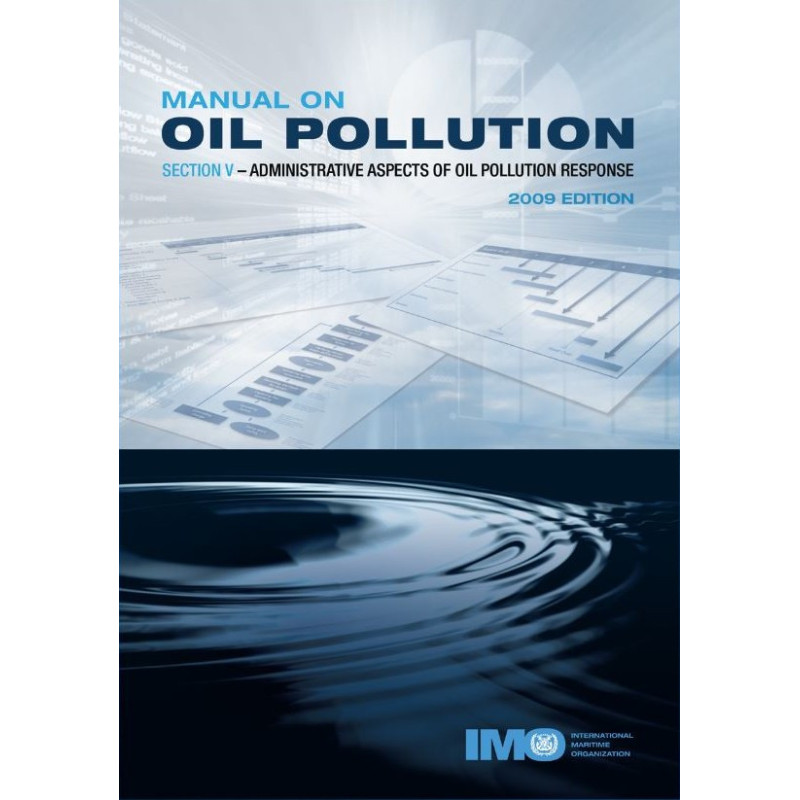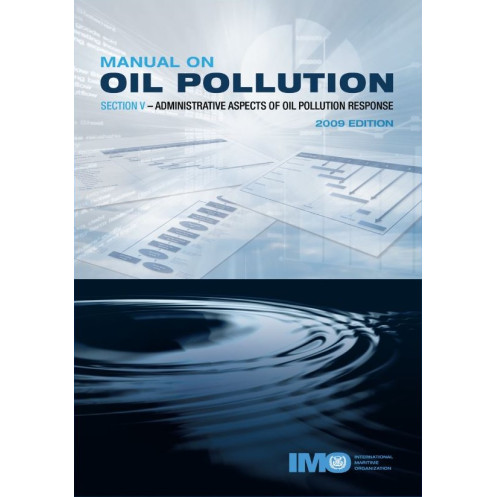




A must-have resource for oil spill response teams, this manual details administrative protocols, legal considerations, and compensation frameworks to ensure effective crisis management.
Data sheet
Specific References
Master the Administrative Framework of Oil Pollution Response
Oil spills demand swift, coordinated action—and this manual is your guide to navigating the administrative complexities of marine pollution incidents. Developed by the Marine Environment Protection Committee (MEPC), the *Manual on Oil Pollution Section 5* provides a structured approach to the roles, responsibilities, and legal considerations governing oil spill response. Whether you’re an on-scene commander, response manager, or regulatory authority, this resource ensures you’re equipped to handle emergencies with precision and compliance.
From Operational Readiness to Legal Accountability
This manual goes beyond technical response protocols to address the critical administrative aspects of oil pollution management. It outlines the functions of key stakeholders, from initial response teams to government agencies, while offering an overview of international liability regimes and compensation frameworks. Though not a substitute for legal counsel, it serves as a vital reference, directing users to authoritative sources for deeper insights. The 2009 edition reflects the latest updates in maritime environmental law, making it a relevant and reliable tool for today’s challenges.
Built for Professionals in High-Stakes Environments
Designed for durability and ease of use, this paperback manual is tailored for maritime professionals who need quick access to critical information. With 100 pages of focused content, it strikes the perfect balance between depth and practicality, offering actionable guidance without unnecessary complexity. Its dimensions (210 x 297 mm) and lightweight design (1.8 kg) make it ideal for both office and field use, ensuring it’s always within reach when decisions matter most.
Align Your Response with Global Standards
In the maritime industry, compliance isn’t optional—it’s a necessity. This manual helps you align your oil pollution response strategies with international regulations, reducing risks to both the environment and your operations. By integrating this resource into your preparedness plans, you gain the confidence to act decisively while upholding the highest standards of accountability and environmental stewardship.
This 2009 edition of the *Manual on Oil Pollution Section 5* is presented in a practical paperback format, featuring 100 pages of essential guidance on administrative aspects of oil pollution response. Measuring 210 x 297 mm and weighing 1.8 kg, it’s designed for durability and ease of use in both office and field environments. Published in English, this manual is a must-have for maritime professionals seeking to navigate the legal and operational complexities of oil spill management.
With a legacy of shaping global maritime standards, this publisher is a trusted authority in marine environmental protection. Their publications are developed in collaboration with international regulatory bodies, ensuring accuracy, relevance, and alignment with industry best practices. Designed for professionals who demand precision and reliability, their resources are essential tools for compliance, training, and operational excellence in the maritime sector.
This manual covers the roles and functions of entities involved in oil pollution emergencies, including on-site commanders, directing agencies, and response managers. It also provides an overview of international legal regimes on liability limitation and compensation for oil pollution damage.
No, it does not provide definitive legal commentary but refers to more detailed sources for further information.
The manual measures 210 mm in width and 297 mm in height, with a binding width of 250 mm.
This edition contains 100 pages.
No, this manual is only available in English in its printed version.
This edition was published in January 2009, with the latest reprint in 2016.
You might also like