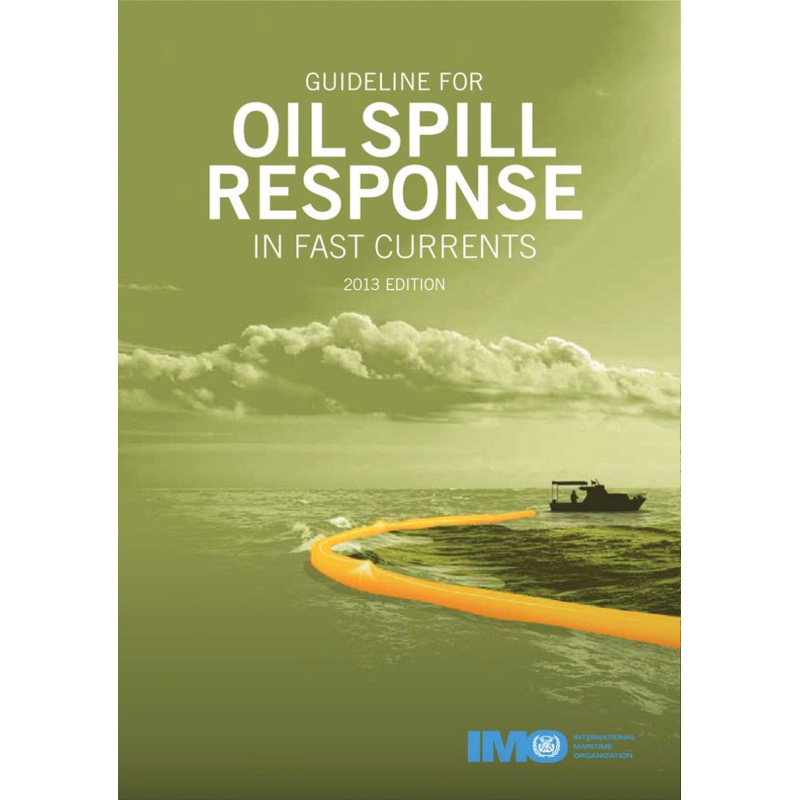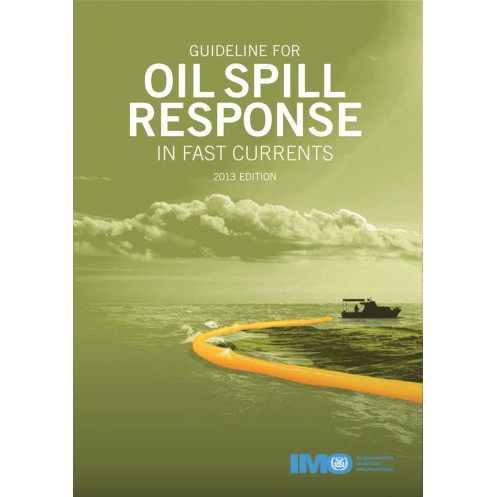




Essential guide for professionals tackling oil spills in fast currents. Offers practical strategies for containment and cleanup in challenging conditions, tailored for experienced responders.
Data sheet
Specific References
When swift currents transform an oil spill into a high-stakes challenge, every second counts. This comprehensive guide delivers critical strategies for managing oil spills in fast-moving waters, where conventional response methods often fall short. Designed for professionals who already understand the fundamentals of containment and recovery, it provides targeted insights to navigate the complexities of high-velocity environments. From tactical decision-making to equipment deployment, this resource ensures responders can act decisively under pressure.
Fast currents demand specialized approaches, and this publication addresses the unique obstacles they present. It explores how water velocity affects oil behavior, containment effectiveness, and recovery operations, offering practical solutions to mitigate risks. Whether dealing with river spills, tidal zones, or coastal areas, responders will find actionable guidance to adapt their tactics and optimize outcomes in dynamic conditions.
Beyond theoretical knowledge, this guide emphasizes hands-on techniques for deploying booms, skimmers, and other equipment in challenging environments. It includes best practices for assessing current patterns, predicting oil trajectories, and coordinating multi-team responses. With clear, step-by-step recommendations, it bridges the gap between standard protocols and the demands of fast-water scenarios, ensuring responders are prepared for even the most unpredictable situations.
This publication is an indispensable tool for maritime safety teams, environmental responders, and industry specialists tasked with protecting waterways from pollution. It complements existing training by focusing on the nuances of fast currents, where traditional methods may fail. By integrating these guidelines into response plans, organizations can enhance their preparedness and minimize the environmental and operational impacts of oil spills in high-risk areas.
Master Oil Spill Response in Fast Currents with Expert Guidelines
Oil spills in fast-moving waters present some of the most complex challenges in marine pollution control. This authoritative guide, Guidelines to Oil Spill Response in Fast Currents, equips professionals with the knowledge and strategies needed to tackle these high-pressure scenarios. Built for responders who already understand conventional containment and recovery methods, it zeroes in on the unique demands of swift currents, where standard approaches often prove ineffective. With a focus on real-world application, this resource transforms theoretical expertise into actionable tactics for dynamic environments.
Precision Strategies for High-Velocity Environments
Fast currents alter oil behavior, containment dynamics, and recovery operations in ways that demand specialized solutions. This guide delves into the science behind these challenges, offering data-driven insights to predict oil trajectories, optimize equipment deployment, and adapt response plans on the fly. It addresses critical questions: How does water velocity impact boom effectiveness? What adjustments are needed for skimmers in turbulent conditions? By answering these, it provides a roadmap for responders to mitigate risks and maximize efficiency in even the most unpredictable scenarios.
Field-Tested Techniques for Immediate Implementation
Beyond theory, this publication delivers practical, step-by-step guidance for executing response operations in fast currents. From assessing current patterns to coordinating multi-agency efforts, it covers the full spectrum of tactical decision-making. Responder teams will find clear protocols for deploying containment systems, managing oil dispersion, and minimizing environmental damage. The guide also includes real-world case studies and lessons learned, ensuring professionals can apply these strategies with confidence in high-stakes situations.
Built for Maritime Safety and Environmental Protection
Weighing 1.8 kg, this printed edition is designed for durability and ease of use in the field. Written in English, it serves as a universal resource for global maritime professionals, from port authorities to environmental agencies. Whether preparing for drills or responding to an active spill, this guide ensures teams are equipped to handle the complexities of fast currents, safeguarding both ecosystems and operational integrity.
This essential guide is available in a printed format, offering a tangible resource for field use. Weighing 1.8 kg, it is designed for durability and portability, making it ideal for responders who need reliable access to critical information. Written entirely in English, it ensures clarity and consistency for international maritime professionals.
With decades of expertise in maritime safety and environmental protection, the publisher behind this guide is a globally recognized authority in developing standards and best practices for the shipping industry. Their publications are trusted by professionals worldwide, providing science-backed solutions to complex challenges in marine operations and pollution response.
This guide is designed for professionals already familiar with basic oil spill containment and recovery techniques using conventional equipment like booms and skimmers. It focuses on advanced strategies for fast-current environments.
Yes, the guide provides detailed strategies for containment and cleanup in fast-current environments, addressing unique challenges and considerations not covered in standard response protocols.
The digital version is locked and can only be read using the free e-reader provided by the publisher.
The printed version weighs 1.8 kg.
Yes, it covers both containment and cleanup techniques, with a focus on their application in fast-current conditions.
No, the guide is currently available only in English.
You might also like