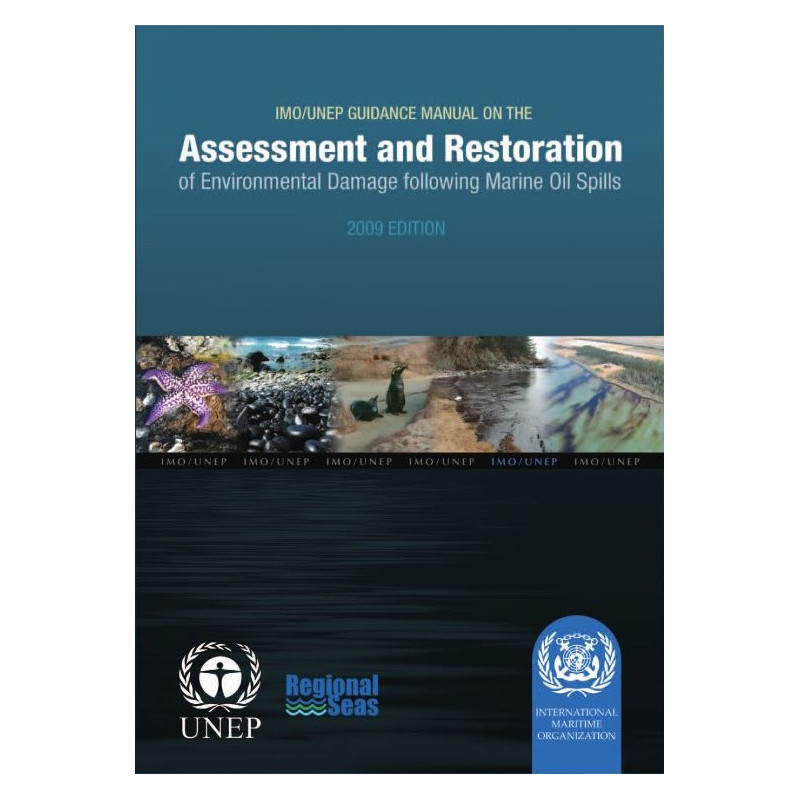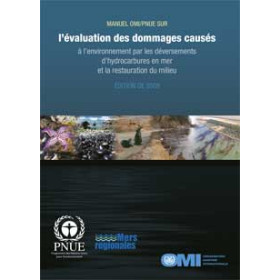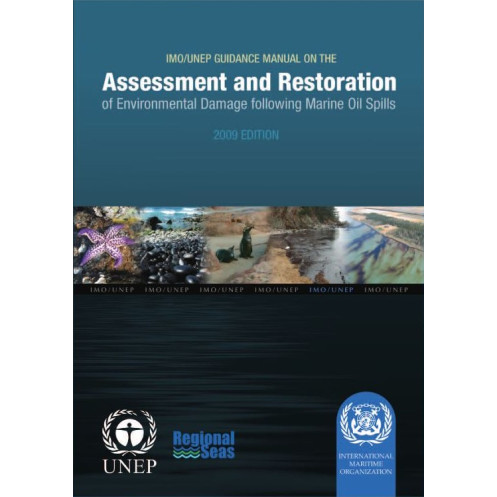




Expert manual for assessing and restoring environmental damage after marine oil spills. Covers pre-spill planning, ecosystem-specific strategies, and compensation frameworks with practical insights.
Data sheet
Specific References
Essential Reference for Marine Oil Spill Response and Environmental Restoration
This comprehensive guidance manual represents the gold standard for professionals managing the complex challenges of marine oil spill assessment and environmental restoration. Developed through the collaborative expertise of leading international organizations, it provides a complete framework for transforming ecological disasters into opportunities for environmental recovery. The publication's structured approach ensures that response efforts are both scientifically rigorous and operationally effective, making it an indispensable resource for environmental consultants, maritime authorities, and emergency response teams worldwide.
Science-Based Methodologies for Environmental Damage Assessment
At the core of this manual lies a sophisticated methodology for evaluating environmental damage following marine oil spills. The 104-page document presents systematic approaches for quantifying ecological impacts across diverse marine ecosystems, from coastal zones to sensitive mangrove habitats. Each assessment protocol is designed to produce legally defensible data that can support international compensation claims, with particular attention given to the documentation requirements of major oil pollution funds. The manual's technical depth ensures that users can develop accurate damage assessments that withstand both scientific scrutiny and legal challenges.
Practical Restoration Strategies for Marine Ecosystems
Beyond assessment protocols, this publication delivers actionable restoration strategies tailored to specific marine environments. The guidance covers a range of intervention techniques, from passive natural recovery methods to active restoration approaches, with clear criteria for selecting the most appropriate strategy based on ecological conditions and spill characteristics. The manual's ecosystem-specific focus ensures that restoration efforts address both immediate impacts and long-term ecological functions, supporting the recovery of biodiversity and ecosystem services that coastal communities depend upon for their livelihoods and well-being.
International Compensation Framework and Real-World Applications
One of the manual's most valuable features is its comprehensive coverage of international oil pollution compensation mechanisms. It provides clear guidance on navigating the complex landscape of international funds and legal requirements, with detailed information on claim preparation and submission processes. The inclusion of case studies, particularly the analysis of the 2003 Tasman Spirit incident, offers practical insights into successful response strategies and common challenges. These real-world examples demonstrate how the manual's methodologies can be applied in actual spill scenarios, from initial assessment through to final restoration and compensation.
This authoritative guidance manual, published in January 2009, delivers 104 pages of comprehensive technical content in English. The printed edition combines the collaborative expertise of the International Maritime Organization and the United Nations Environment Programme, offering both strategic frameworks for pre-spill planning and detailed protocols for post-incident environmental assessment and restoration. Weighing 1.8 kg, the publication serves as a professional-grade reference for maritime environmental management, with additional digital access available through the publisher's secure reading platform.
With a long-standing reputation in maritime publications, this organization serves as the leading source for international shipping regulations and environmental protection guidance. Their publications are developed in collaboration with global maritime authorities and environmental agencies, ensuring that each document reflects the latest scientific research and regulatory requirements. The organization's commitment to maritime safety and environmental stewardship is evident in their comprehensive catalog of technical manuals and guidance documents.
The manual covers various ecosystems including shorelines, mangroves, and marshes, providing tailored assessment techniques and restoration measures for each.
Yes, it includes practical case studies, such as the 2003 Tasman Spirit oil spill incident in Karachi, to illustrate assessment and restoration strategies.
The digital version is in a locked format and is designed to be read using the free dedicated reader provided.
It emphasizes the importance of pre-spill planning to effectively assess environmental damage and implement restoration strategies following marine oil spills.
Yes, it guides users on compensation opportunities through international oil pollution compensation regimes.
The manual contains 104 pages of detailed guidance on environmental damage assessment and restoration.
You might also like