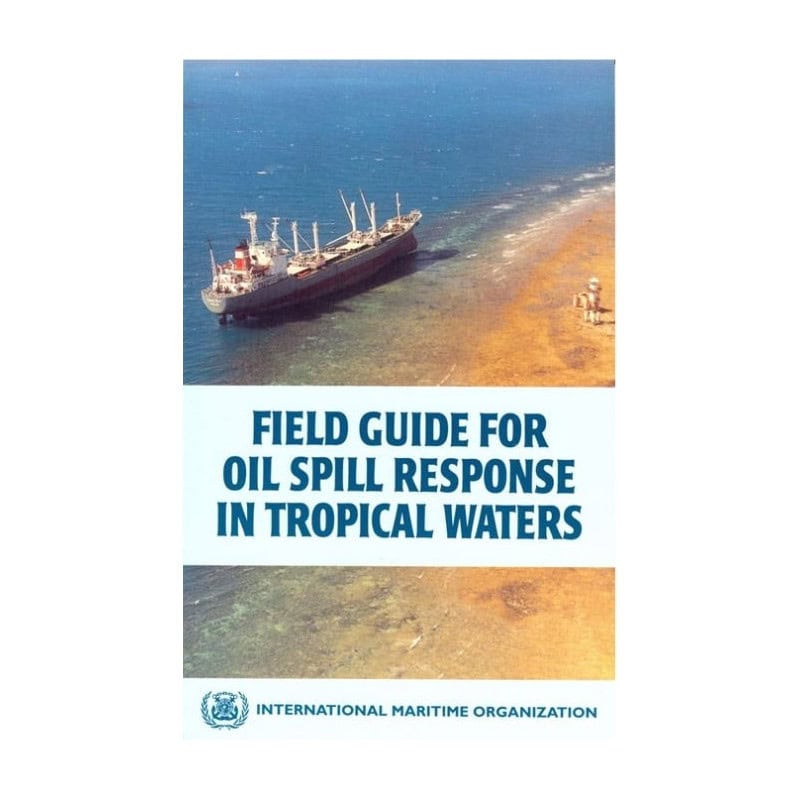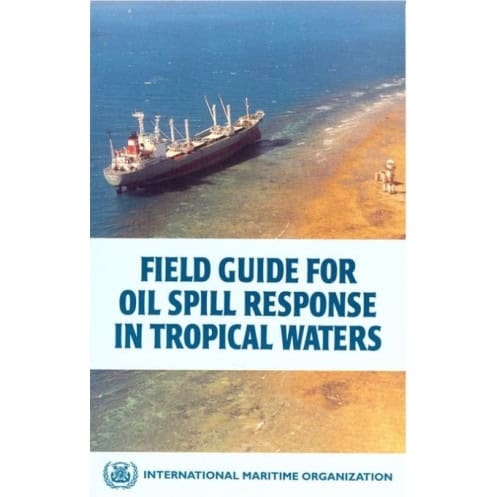




This illustrated field guide helps responders tackle oil spills in tropical waters. Covers oil behavior, habitat protection, and effective response strategies for sensitive marine ecosystems.
Data sheet
Specific References
Master Oil Spill Response in Tropical Waters with Expert Guidance
When an oil spill occurs in tropical marine environments, every second counts—and the wrong response can worsen the damage. The *Field Guide for Oil Spill Response in Tropical Waters* is the definitive resource for professionals tasked with protecting fragile ecosystems, coastal economies, and public health. Unlike generic spill response manuals, this guide zeroes in on the unique challenges of warm-water regions, where oil behaves differently and ecosystems like coral reefs and mangroves demand specialized care. Backed by decades of research and real-world case studies, it transforms complex science into actionable strategies for responders on the front lines.
Engineered for Real-World Conditions
Tropical waters accelerate the breakdown of oil, but they also heighten risks to marine life and coastal communities. This guide dissects the lifecycle of spilled oil—from evaporation and emulsification to sedimentation—so responders can anticipate its movement and tailor their approach. With clear, illustrated instructions, it demystifies techniques like booming, skimming, and dispersant use, while flagging methods that may backfire in warm climates. Whether you’re coordinating a cleanup in the Caribbean, Southeast Asia, or the Pacific, this resource ensures decisions are grounded in science, not guesswork.
Built for Professionals, by Professionals
Developed by a globally recognized maritime authority, this guide is trusted by port authorities, shipping companies, and environmental agencies worldwide. Its 1997 edition remains a cornerstone reference, updated with lessons from major tropical spills and advances in response technology. Weighing just 1.8 kg, the paperback version is rugged enough for fieldwork, yet detailed enough for command centers. For those who prefer digital access, a secure e-reader version is also available, ensuring critical information is always at your fingertips—no matter where an incident occurs.
This 1997 edition of the *Field Guide for Oil Spill Response in Tropical Waters* is a paperback reference in English, designed for durability and portability. The guide weighs 1.8 kg, making it practical for both field operations and office use. Its content is structured for quick navigation, with illustrations and case studies to support decision-making in high-stakes scenarios.
With a legacy of setting global standards for maritime safety and environmental protection, this organization is a trusted name among shipping professionals, governments, and environmental agencies. Its publications are developed by experts in marine science, emergency response, and regulatory compliance, ensuring that every guide meets the highest benchmarks for accuracy and practicality. From oil spill response to vessel safety, its resources empower industries to operate responsibly in some of the world’s most sensitive ecosystems.
The guide covers various tropical marine habitats, including coral reefs, mangroves, seagrass beds, and coastal zones, detailing their unique vulnerabilities and response strategies for oil spills.
Yes, the guide includes historical case studies and scientific experiences to illustrate effective response measures and common pitfalls in oil spill scenarios.
Oil in tropical waters tends to spread faster, evaporate more quickly, and emulsify differently due to higher temperatures, which affects cleanup strategies and response planning.
The digital version is in a locked format and requires the free OMI reader for access, ensuring secure and standardized viewing.
The physical edition weighs approximately 1.8 kg, making it suitable for field use while remaining portable.
Yes, it provides tailored advice on response techniques for sensitive ecosystems, including recommendations on what actions to avoid to prevent further damage.
Absolutely, the guide is designed for both field responders and training programs, offering practical, illustrated instructions for effective oil spill management in tropical waters.
You might also like