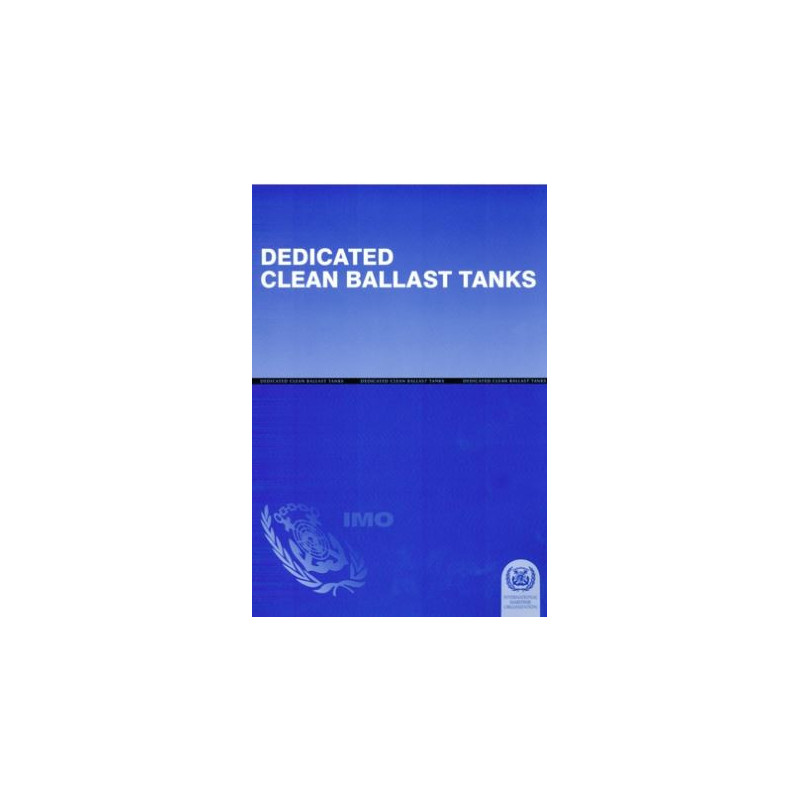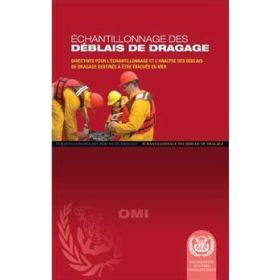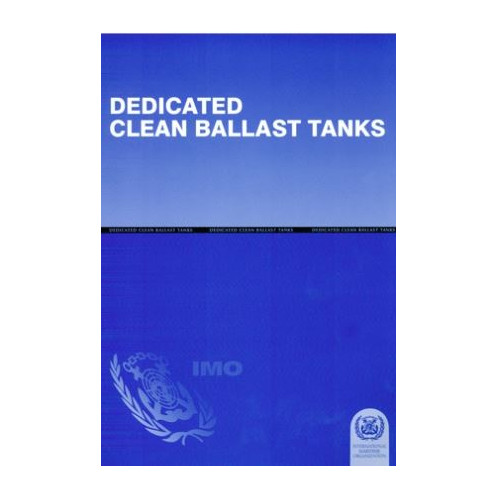




Optimize ballast tank operations with this essential 1982 IMO publication. Features revised specs, operational procedures, and standard manual formats for dedicated clean ballast tanks in oil tankers.
Data sheet
Specific References
Navigating the complexities of maritime environmental regulations demands precision and expertise. The IMO Dedicated Clean Ballast Tanks publication delivers the critical framework established by the International Maritime Organization (IMO) to ensure safe, efficient, and compliant ballast water management. This 1982 edition, based on Resolution A.495 (XII), remains a cornerstone reference for professionals tasked with implementing dedicated clean ballast tank systems on oil tankers. By providing standardized operational procedures, interpretative guidelines, and model manuals, this publication bridges the gap between regulatory requirements and real-world application, making it indispensable for shipowners, operators, and maritime engineers.
This publication is meticulously structured to address every facet of dedicated clean ballast tank operations. It begins with the revised specifications for oil tankers equipped with these systems, outlining the technical and operational standards necessary to prevent pollution and ensure vessel stability. The included operational procedures detail step-by-step protocols for ballasting and deballasting, while agreed interpretations clarify ambiguous aspects of the specifications, reducing the risk of non-compliance. Additionally, the publication features a standardized format for the Dedicated Clean Ballast Tank Operational Manual, complete with general directives and checklists tailored to streamline onboard processes. This holistic approach ensures that maritime professionals can implement these systems with confidence, minimizing operational disruptions and environmental risks.
One of the standout features of this publication is its inclusion of a model operational manual for tankers utilizing dedicated clean ballast tanks. This template serves as a blueprint for creating vessel-specific documentation, ensuring consistency across fleets while allowing for customization based on individual ship designs. The manual includes comprehensive checklists for ballasting and deballasting, which are critical for maintaining operational efficiency and regulatory adherence. By providing these tools, the publication empowers maritime professionals to standardize their procedures, reduce human error, and enhance overall safety. Whether for newbuilds or retrofitted vessels, this resource is designed to support seamless integration of dedicated clean ballast tank systems into daily operations.
Tailored for the maritime industry, this publication is an invaluable resource for ship operators, naval architects, marine surveyors, and regulatory compliance officers. Its clear, concise language and structured format make it accessible to both seasoned professionals and those new to dedicated clean ballast tank systems. The inclusion of practical tools, such as checklists and model manuals, ensures that theoretical knowledge is immediately applicable to real-world scenarios. By adhering to the guidelines set forth in this publication, maritime professionals can ensure their vessels meet international standards, avoid costly penalties, and contribute to the global effort to protect marine ecosystems from pollution.
For professionals seeking authoritative guidance on dedicated clean ballast tanks, this IMO publication is the definitive resource. Covering topics such as ballast water management, oil tanker regulations, maritime environmental compliance, and operational procedures for clean ballast systems, it addresses the most pressing challenges faced by the industry today. The publication’s focus on Resolution A.495 (XII) ensures alignment with international maritime standards, making it a trusted reference for achieving and maintaining compliance. Whether used for training, operational planning, or regulatory audits, this publication is an essential tool for any organization committed to excellence in maritime operations.
Master the Standards for Dedicated Clean Ballast Tanks with IMO’s Authoritative Guide
In the ever-evolving landscape of maritime environmental regulations, the IMO Dedicated Clean Ballast Tanks publication stands as a critical resource for ensuring compliance and operational efficiency. Published in 1982 under Resolution A.495 (XII), this guide provides the foundational framework for implementing dedicated clean ballast tank systems on oil tankers, addressing both technical specifications and operational procedures. Designed to prevent pollution and enhance vessel stability, this publication is a must-have for maritime professionals who prioritize safety, regulatory adherence, and environmental stewardship.
A Complete Toolkit for Ballast Water Management
This publication goes beyond theoretical guidelines by offering a comprehensive toolkit for real-world application. It includes revised specifications for oil tankers equipped with dedicated clean ballast tanks, ensuring that vessels meet the highest standards of environmental protection. The operational procedures outlined in the guide provide step-by-step instructions for ballasting and deballasting, while agreed interpretations of the specifications clarify complex requirements, reducing the risk of misinterpretation. Additionally, the publication features a standardized format for the Dedicated Clean Ballast Tank Operational Manual, complete with general directives and checklists, enabling maritime professionals to streamline their processes and minimize operational disruptions.
Practical Solutions for Onboard Implementation
One of the key strengths of this publication is its focus on practical implementation. The included model operational manual serves as a template for creating vessel-specific documentation, ensuring consistency across fleets while allowing for customization based on individual ship designs. The manual’s checklists for ballasting and deballasting are particularly valuable, as they help crews adhere to best practices and maintain compliance with international regulations. By providing these tools, the publication empowers maritime professionals to integrate dedicated clean ballast tank systems seamlessly into their operations, enhancing safety and efficiency.
Built for the Demands of the Maritime Industry
Weighing 1.8 kg and presented in a convenient paperback format, this publication is designed to withstand the rigors of onboard use. Its clear, concise language and structured layout make it accessible to a wide range of maritime professionals, from ship operators and naval architects to marine surveyors and compliance officers. Whether used for training, operational planning, or regulatory audits, this guide ensures that maritime professionals have the knowledge and tools they need to meet international standards and protect marine ecosystems from pollution.
The IMO Dedicated Clean Ballast Tanks publication is a 1982 edition focused on the specifications and operational procedures for oil tankers equipped with dedicated clean ballast tank systems. Based on Resolution A.495 (XII), this paperback guide weighs 1.8 kg and is presented in English. It includes revised technical specifications, agreed interpretations of regulatory requirements, a standardized format for operational manuals, and model documentation for onboard use. Designed for durability and ease of reference, this publication is an essential tool for achieving compliance with international maritime environmental standards.
With a legacy of providing authoritative maritime publications, this organization sets the global standard for safety, environmental protection, and operational efficiency in the shipping industry. Their resources are trusted by professionals worldwide to navigate complex regulatory landscapes and implement best practices in maritime operations.
The publication weighs 1.8 kilograms.
No, this publication is only available in English.
This publication covers the resolution A.495 (XII) regarding dedicated clean ballast tanks.
Yes, the digital version is locked and requires the free IMO reader to access.
Yes, it includes checklists for ballasting and deballasting procedures.
The standard version is available in paper format.
Yes, it includes a sample manual for tankers operating with dedicated clean ballast tanks.
You might also like