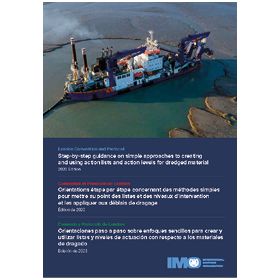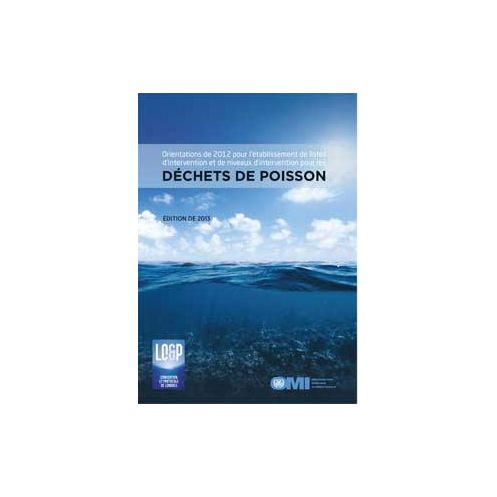

OMI - IMO539F - Orientations de 2012 pour l'établissement de listes d'intervention et de niveaux d'intervention pour les déchets
search
  • googlemap
  • OMI - IMO539F - Orientations de 2012 pour l'établissement de listes d'intervention et de niveaux d'intervention pour les déchets

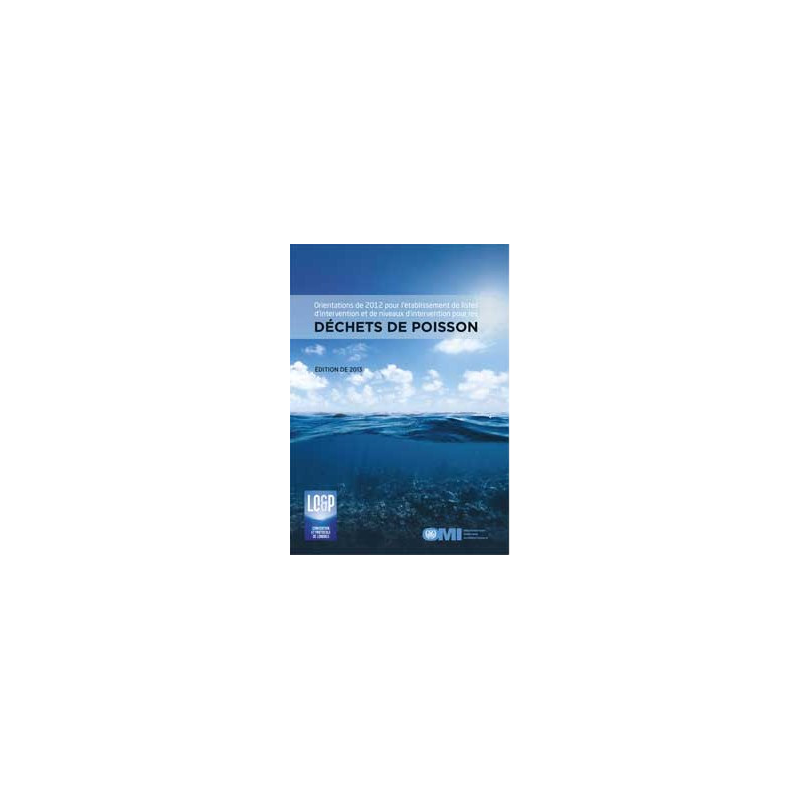
OMI - 539F - Orientations de 2012 pour l'établissement de listes d'intervention et de niveaux d'intervention pour les déchets

€30.60
Tax included
OMI
In French language
Estimated preparation time: 5 to 14 days

Key 2012 directives for developing intervention lists and levels for waste management in marine environments. Ideal for policymakers and regulators.
French-language paperback version.

IMO539F

Data sheet

On what digital medium is this nautical chart / book stored?
paper medium
What is the size?
paper medium
Picto
In French language

Specific References

UPC
400000010427
EAN13
4000000024613
New
Description détaillée

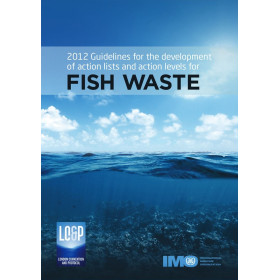
IMO 2012 Guidelines for the Development of Action Lists and Action Levels for Fish Waste

Publication in French
Paperback edition

Essential Compliance Resource for Marine Pollution Prevention

This authoritative publication delivers critical guidance for regulators and policymakers tasked with managing fish waste disposal at sea. Developed under the International Maritime Organization’s framework, it establishes structured methodologies for creating action lists and intervention levels to evaluate fish waste proposed for ocean dumping. The document aligns with global environmental protection standards while offering adaptable protocols for diverse regulatory contexts.

Comprehensive Framework for Environmental Decision-Making

The guidelines provide a systematic approach to assessing fish waste disposal scenarios, ensuring compliance with the 1972 London Convention and its 1996 Protocol. While specifically designed to support these international treaties, the methodologies are universally applicable, making this resource valuable for environmental agencies, maritime authorities, and industry stakeholders worldwide. The structured evaluation process helps balance ecological protection with operational practicality in marine waste management.

Practical Implementation for Maritime Professionals

Designed for professionals in the merchant marine sector, this publication translates complex regulatory requirements into actionable procedures. It offers clear criteria for determining acceptable waste disposal practices while maintaining environmental safeguards. The document’s structured approach facilitates consistent decision-making across jurisdictions, supporting both regulatory compliance and sustainable maritime operations.

Trusted Reference for Marine Environmental Policy

As an official IMO publication, this document carries the weight of international maritime authority. Its guidelines reflect decades of environmental research and regulatory experience, providing a scientifically grounded foundation for fish waste management policies. The paperback edition ensures reliable access to these critical protocols, whether in office settings or onboard vessels where digital access may be limited.

Versatile Application Across Regulatory Frameworks

While rooted in the London Convention and Protocol, the guidelines’ flexible methodology allows adaptation to various environmental instruments. This versatility makes the publication particularly valuable for regions developing or refining their marine pollution prevention strategies. The document serves as both a compliance tool and a capacity-building resource for emerging maritime nations.

Critical Regulatory Framework for Marine Waste Management
Navigate complex environmental regulations with the official 2012 IMO guidelines for fish waste disposal. This essential publication establishes standardized protocols for developing action lists and intervention levels, ensuring compliance with international marine pollution prevention treaties. Designed for maritime regulators, environmental agencies, and industry professionals, it provides the technical foundation for evaluating fish waste proposed for ocean dumping while maintaining ecological safeguards.

International Standards for Sustainable Maritime Operations
Developed under the auspices of the International Maritime Organization, these guidelines operationalize the requirements of the 1972 London Convention and its 1996 Protocol. The document presents a systematic methodology for assessing fish waste disposal scenarios, balancing environmental protection with operational practicality. Its structured approach facilitates consistent decision-making across jurisdictions, making it an indispensable resource for maritime authorities worldwide.

Practical Implementation Tools for Environmental Compliance
The publication translates complex regulatory concepts into actionable procedures, offering clear criteria for determining acceptable waste disposal practices. The 1.8 kg paperback edition provides reliable access to these critical protocols, whether in office settings or onboard vessels. While specifically addressing fish waste, the guidelines’ flexible framework allows adaptation to other waste streams, enhancing their utility across marine environmental management programs.

This authoritative 2012 IMO publication presents comprehensive guidelines for establishing action lists and intervention levels for fish waste disposal at sea. The 1.8 kg paperback edition contains the complete French-language text of document I539F, providing regulatory frameworks compatible with both the London Convention and its 1996 Protocol. The physical format ensures reliable access to critical environmental protocols in all professional settings.

For over seven decades, the International Maritime Organization has served as the United Nations' specialized agency for maritime affairs. As the global standard-setting authority for the safety, security, and environmental performance of international shipping, IMO publications represent the definitive reference for maritime regulations and best practices. Their technical documents provide the foundation for international maritime law and environmental protection protocols.

  • Official IMO regulatory framework for marine waste management
  • Comprehensive methodology for developing action lists and intervention levels
  • Universal applicability across different environmental instruments
  • Trusted reference for maritime authorities and environmental agencies
  • Paperback format ensures reliable access in all professional settings
  • Supports compliance with international marine pollution prevention treaties
  • Adaptable protocols for diverse regulatory contexts
  • Scientifically grounded foundation for environmental decision-making
  • Essential capacity-building resource for emerging maritime nations
  • Standardized approach facilitates consistent cross-jurisdictional implementation
What specific types of fish waste does this guide address?

The guide provides orientations for evaluating fish waste proposed for disposal at sea, including various types of organic and inorganic residues from fish processing.

Is this document applicable to regulations outside the London Convention?

Yes, while it supports the implementation of the London Convention and its 1996 Protocol, the guidelines are general and can be applied to other regulatory frameworks.

What is the purpose of intervention levels mentioned in this guide?

Intervention levels are thresholds used to determine when action is required to manage or mitigate the environmental impact of fish waste disposal at sea.

Can this guide be used for digital waste management assessments?

The content is applicable to both paper and digital assessments, though this specific version is a printed copy. A digital version is also available.

Does the guide include case studies or examples?

It provides regulatory and technical orientations but does not include specific case studies. It focuses on frameworks for establishing intervention lists and levels.

How detailed are the technical specifications for waste assessment?

The document offers comprehensive technical guidance, including methodologies for evaluating waste types, environmental risks, and compliance with regulatory standards.

Loading...