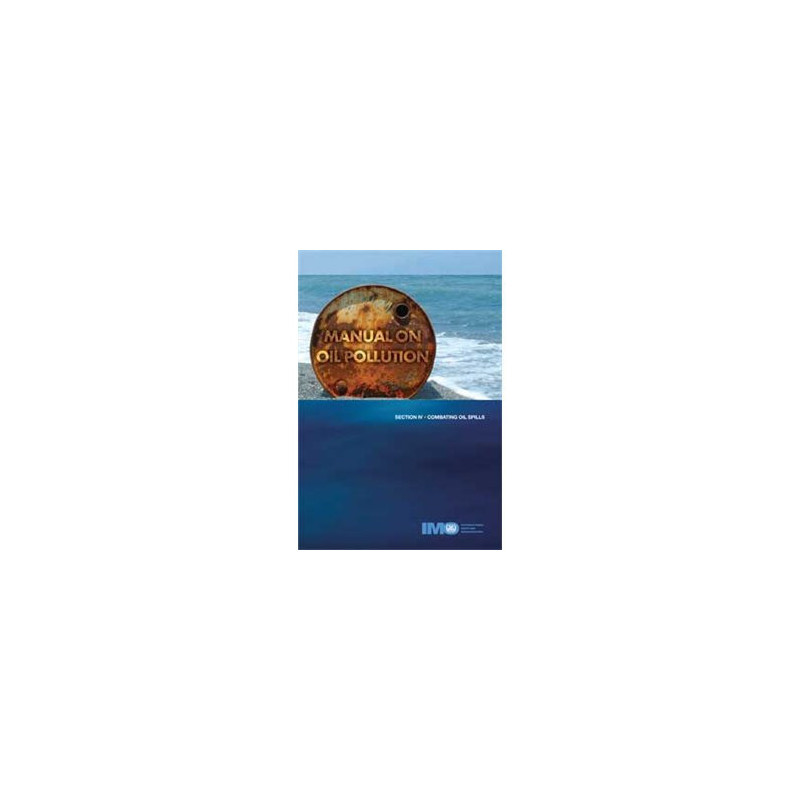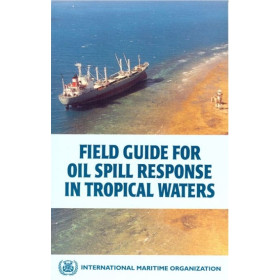




Essential guide for combating oil spills, covering response strategies, equipment, and environmental impact. Updated with in-situ burning and bioremediation insights for professionals.
Data sheet
Specific References
This comprehensive manual stands as the definitive guide for responding to marine oil spills, drawing on over three decades of global expertise and real-world experience. Designed for professionals in the merchant marine sector, it delivers actionable insights and proven strategies to mitigate environmental damage and ensure effective spill response.
Updated to reflect the latest advancements in oil spill response, this edition covers critical topics such as the behavior and fate of different oil types in marine environments, their impact on coastal and marine resources, and innovative techniques like in-situ burning and bioremediation. It provides a clear, concise overview of current expertise, ensuring maritime professionals are equipped with the most effective tools and methodologies.
Beyond theoretical knowledge, this manual offers hands-on guidance for operational preparedness. It includes detailed recommendations on training, drills, equipment maintenance, and storage, as well as critical insights into liability, compensation, and cost accounting. Whether you're involved in planning, response, or recovery, this resource ensures you’re ready to act swiftly and efficiently.
This publication is the result of collaboration by the Oil Pollution Preparedness, Response, and Co-operation (OPRC) Working Group and approved by the Marine Environment Protection Committee (MEPC). It reflects the collective expertise of global stakeholders, making it a trusted reference for governments, industry professionals, and environmental agencies worldwide.
In an industry where preparedness is key, this manual is an indispensable tool for ensuring compliance with international regulations and safeguarding marine ecosystems. Its practical approach and authoritative content make it a cornerstone resource for anyone involved in maritime environmental protection.
Master the Art of Oil Spill Response with the IMO Manual on Oil Pollution Section 4
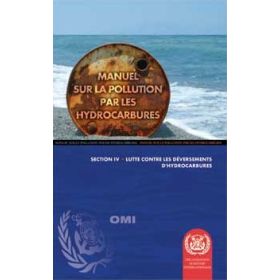
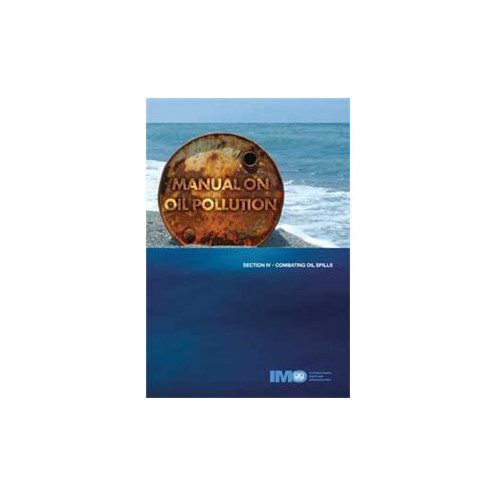
When every second counts in combating marine oil spills, having the right knowledge at your fingertips can mean the difference between containment and catastrophe. The *IMO Manual on Oil Pollution Section 4 – Combating Oil Spills* is the gold standard for professionals tasked with safeguarding our oceans and coastlines. This 2005 edition, meticulously revised and updated, distills over 30 years of global experience into a single, authoritative resource. With 212 pages of in-depth analysis, practical strategies, and cutting-edge techniques, it’s designed to empower maritime professionals with the tools they need to respond effectively to oil pollution incidents.
A Comprehensive Guide to Oil Spill Dynamics and Response Strategies
Understanding the behavior of oil in marine environments is the first step toward effective mitigation. This manual provides a detailed breakdown of how different types of oil interact with water, weather, and coastal ecosystems, offering critical insights into their fate and impact. From light crude to heavy fuel oils, it explains the unique challenges posed by each type, helping responders tailor their strategies for maximum efficiency. The manual also explores the environmental consequences of spills, including their effects on marine life, habitats, and coastal communities, ensuring a holistic approach to response planning.
Innovative Techniques for Modern Challenges
Gone are the days when traditional containment and recovery were the only options. This edition introduces groundbreaking techniques like in-situ burning and bioremediation, providing responders with a broader toolkit to tackle spills in diverse conditions. Whether you're dealing with a spill in open waters, near sensitive ecosystems, or in icy environments, the manual offers step-by-step guidance on when and how to deploy these methods. It also addresses the logistical aspects of response, including equipment maintenance, storage, and deployment, ensuring that teams are always prepared for action.
From Training to Accountability: A Full-Spectrum Resource
Effective spill response doesn’t start when the accident happens—it begins with preparation. This manual dedicates significant attention to training and drills, offering frameworks for developing robust response plans and conducting realistic exercises. It also delves into the legal and financial aspects of spill response, covering liability, compensation, and cost accounting to ensure that all stakeholders understand their roles and responsibilities. With this resource, maritime professionals can build a culture of readiness, where every team member knows exactly what to do when a spill occurs.
Built for the Field, Backed by Experts
What sets this manual apart is its practical focus. Developed by the Oil Pollution Preparedness, Response, and Co-operation (OPRC) Working Group and endorsed by the Marine Environment Protection Committee (MEPC), it reflects the collective wisdom of global experts. The 2005 edition builds on previous versions published in 1972, 1980, and 1988, incorporating lessons learned from real-world incidents to provide the most up-to-date guidance available. Whether you're a ship operator, environmental agency, or response team, this manual is your go-to reference for navigating the complexities of oil spill response.
This 2005 edition of the *Manual on Oil Pollution Section 4 – Combating Oil Spills* is a 212-page printed resource, measuring 210 mm in height and 150 mm in width. It features a durable hardcover binding, ensuring longevity even in demanding field conditions. Published in May 2006, the manual weighs 1.8 kg, making it a substantial yet portable reference for professionals. Available exclusively in English, this printed version is designed for easy access and quick consultation during critical response operations.
With a legacy of setting global standards for maritime safety and environmental protection, this publisher is a leading authority in the field. Their publications are trusted by governments, industry leaders, and maritime professionals worldwide, offering practical, science-backed solutions to some of the most pressing challenges in marine operations. Each resource is developed in collaboration with expert working groups and endorsed by international committees, ensuring the highest level of accuracy and relevance.
The manual covers various response techniques including in situ burning, bioremediation, behavior and fate of different oil types during spills, and their effects on marine and coastal resources.
Yes, it provides practical guidance on training, drills, equipment maintenance, and storage for oil spill response teams.
It is designed for governments, industry professionals, and organizations involved in marine oil spill preparedness, response, and cooperation.
Yes, it includes sections on liability, compensation, and cost accounting related to oil spill incidents.
The physical copy measures 210 mm in height and 150 mm in width, with a total of 212 pages.
The digital version is a locked format and requires the free IMO e-reader for access.
You might also like