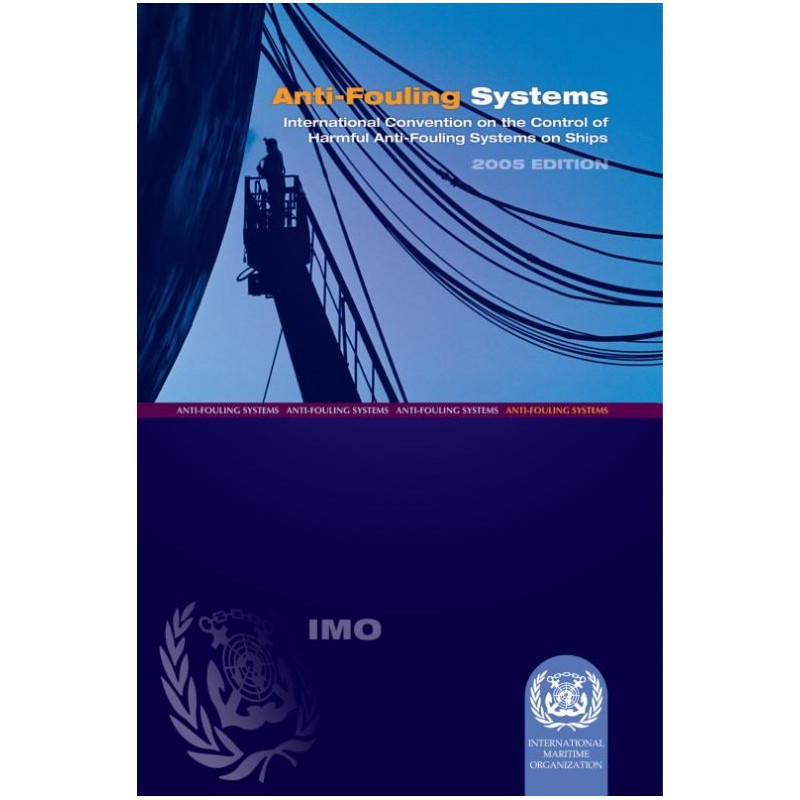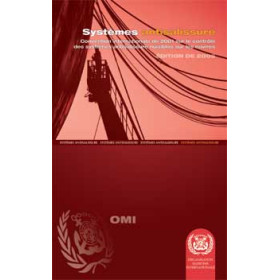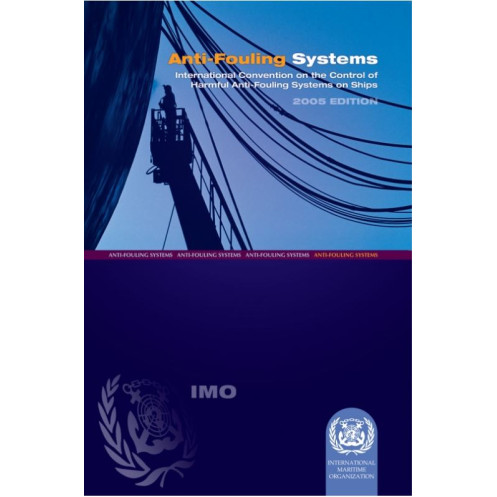


OMI - IMO680E - International Convention on the Control of Harmful Anti-Fouling Systems on Ships (AFS) 2001
search
  • googlemap
  • OMI - IMO680E - International Convention on the Control of Harmful Anti-Fouling Systems on Ships (AFS) 2001

IMO - 680E - International Convention on the Control of Harmful Anti-Fouling Systems on Ships (AFS) 2001

€47.10
Tax included
OMI
In English language
Estimated preparation time: 5 to 14 days

Comprehensive 2001 AFS Convention text regulating harmful anti-fouling systems on ships. Includes resolutions and IMO guidelines for inspections and certification.
2005 English edition.

IMO680E

Data sheet

What is the size?
paper medium
Picto
In English language

Specific References

UPC
400000004136
EAN13
4000000010999
New
Description détaillée

IMO - International Convention on the Control of Harmful Anti-Fouling Systems on Ships (AFS) 2001

Publication in English
Printed version

Comprehensive Guide to the AFS Convention for Maritime Professionals

This essential publication provides the complete text of the **International Convention on the Control of Harmful Anti-Fouling Systems on Ships (AFS) 2001**, a critical regulatory framework for the maritime industry. Designed to address the environmental and operational challenges posed by harmful anti-fouling systems, this convention sets the global standard for controlling substances like tributyltin (TBT) and other organotin compounds. With the maritime sector under increasing scrutiny for its environmental impact, this document is indispensable for shipowners, operators, and regulatory bodies committed to compliance and sustainability.
Key Components of the AFS Convention

The AFS Convention, adopted in 2001, marks a pivotal moment in maritime environmental regulation. This publication includes the full text of the convention, along with the four resolutions passed during the diplomatic conference. It also features the **guidelines developed and adopted by the International Maritime Organization (IMO)**, which provide practical frameworks for implementation. These guidelines cover critical areas such as inspections, sampling procedures, and certification requirements, ensuring that maritime professionals have the tools they need to adhere to the convention’s standards.

Historical Context and Regulatory Evolution

The fight against harmful anti-fouling systems began in earnest in 1988, with the IMO’s Marine Environment Protection Committee (MEPC) taking the first steps to address the issue. This publication traces the evolution of the regulatory landscape, from the adoption of **Resolution MEPC.46(30)** to the landmark **Resolution A.895(21)**, which paved the way for the 2001 diplomatic conference. By understanding this historical context, maritime professionals can appreciate the significance of the AFS Convention and its role in shaping modern maritime practices.

Practical Applications for Maritime Operations

Beyond its regulatory content, this publication serves as a practical resource for maritime professionals. It outlines the **procedures for inspections, sampling, and certification**, ensuring that ships comply with the convention’s requirements. Whether you are a shipowner, port state control officer, or environmental compliance manager, this document provides the clarity and guidance needed to navigate the complexities of anti-fouling system regulations. The inclusion of IMO-developed guidelines ensures that users have access to the most up-to-date and authoritative information.

Environmental and Operational Benefits

The AFS Convention was developed in response to growing concerns about the environmental impact of anti-fouling systems, particularly those containing organotin compounds. These substances, while effective at preventing biofouling, have been linked to significant ecological harm, including the disruption of marine ecosystems. By adhering to the AFS Convention, the maritime industry can reduce its environmental footprint while maintaining operational efficiency. This publication is a key resource for professionals seeking to balance regulatory compliance with sustainable practices.

Who Should Use This Publication?

This publication is tailored for **maritime professionals**, including shipowners, operators, classification societies, port state control authorities, and environmental compliance officers. It is also a valuable resource for **legal and regulatory experts** working in the maritime sector, as well as **researchers and academics** studying maritime environmental law. With its comprehensive coverage of the AFS Convention and related guidelines, this document is an indispensable tool for anyone involved in the global maritime industry.

Ensure Compliance with the Global Standard for Anti-Fouling Systems
The International Convention on the Control of Harmful Anti-Fouling Systems on Ships (AFS) 2001 is a cornerstone of modern maritime regulation, addressing the environmental and operational risks posed by harmful anti-fouling coatings. This printed publication provides the complete text of the convention, adopted by the International Maritime Organization (IMO), along with critical resolutions and guidelines that shape industry practices. Designed for professionals who demand precision and reliability, this document is an essential resource for navigating the complexities of anti-fouling system regulations.

Comprehensive Coverage of the AFS Convention and Its Implementation
This publication includes the full text of the AFS Convention, which prohibits the use of harmful organotin compounds like tributyltin (TBT) in anti-fouling systems. It also features the four resolutions adopted during the 2001 diplomatic conference, as well as the IMO-developed guidelines for inspections, sampling, and certification. These guidelines provide a practical framework for compliance, ensuring that maritime professionals can implement the convention’s requirements effectively. Whether you are a shipowner, port state control officer, or environmental compliance manager, this document offers the clarity and detail needed to meet regulatory standards.
Historical Context and Regulatory Framework
The AFS Convention is the result of decades of international collaboration to address the environmental impact of anti-fouling systems. This publication traces the evolution of the regulatory landscape, from the initial concerns raised in 1988 to the adoption of key resolutions like MEPC.46(30) and A.895(21). By understanding this historical context, maritime professionals can appreciate the significance of the AFS Convention and its role in promoting sustainable maritime practices. The document also highlights the diplomatic conference of 2001, where the convention was formally adopted, marking a turning point in global maritime regulation.
Practical Resource for Maritime Professionals
Beyond its regulatory content, this publication serves as a practical tool for maritime operations. It outlines the procedures for inspections, sampling, and certification, ensuring that ships comply with the AFS Convention’s requirements. The document is designed to be user-friendly, with clear guidance on how to implement the convention’s provisions. Weighing 1.8 kg, this printed edition is durable and easy to reference, making it ideal for use in offices, onboard ships, or during inspections. Its 2005 edition ensures that users have access to the most relevant and up-to-date information available.

This printed publication of the International Convention on the Control of Harmful Anti-Fouling Systems on Ships (AFS) 2001 is available in a 2005 edition, offering the complete text of the convention, resolutions, and IMO-developed guidelines. The document is presented in English and weighs 1.8 kg, making it a durable and portable resource for maritime professionals. Its printed format ensures easy access and reference, whether in an office or onboard a vessel.

With a long-standing reputation in the maritime industry, this publisher is recognized for providing authoritative and up-to-date regulatory publications. Their works are trusted by professionals worldwide, offering clarity and precision on international maritime conventions and guidelines. Each publication is designed to meet the needs of the global maritime community, ensuring compliance and operational excellence.

  • This publication offers unparalleled access to the full text of the AFS Convention, including resolutions and IMO guidelines, ensuring compliance with global anti-fouling regulations.
  • Its printed format provides durability and ease of use,
  • while the 2005 edition guarantees up-to-date and relevant information.
  • Ideal for shipowners, operators, and regulatory bodies, this document is a must-have resource for navigating the complexities of maritime environmental law.
What harmful substances does this convention address?

The convention specifically addresses harmful anti-fouling systems, focusing on organotin compounds such as tributyltin (TBT) and their adverse effects.

Are there guidelines included for inspections and certifications?

Yes, the document includes detailed guidelines for inspections, sampling, and certifications related to anti-fouling systems.

What resolutions are covered in this publication?

It includes the four resolutions from the 2001 Conference, as well as key resolutions like MEPC.46(30) and A.895(21) adopted prior to the convention.
Is this publication available in any other formats besides paper?
Yes, a digital version is available in a locked format, readable with the free reader provided.

What is the weight of the printed version?

The printed version weighs 1.8 kg.

Does this edition cover the historical background of the convention?

Yes, it details the historical context starting from 1988, including the development and adoption of the convention.

Loading...