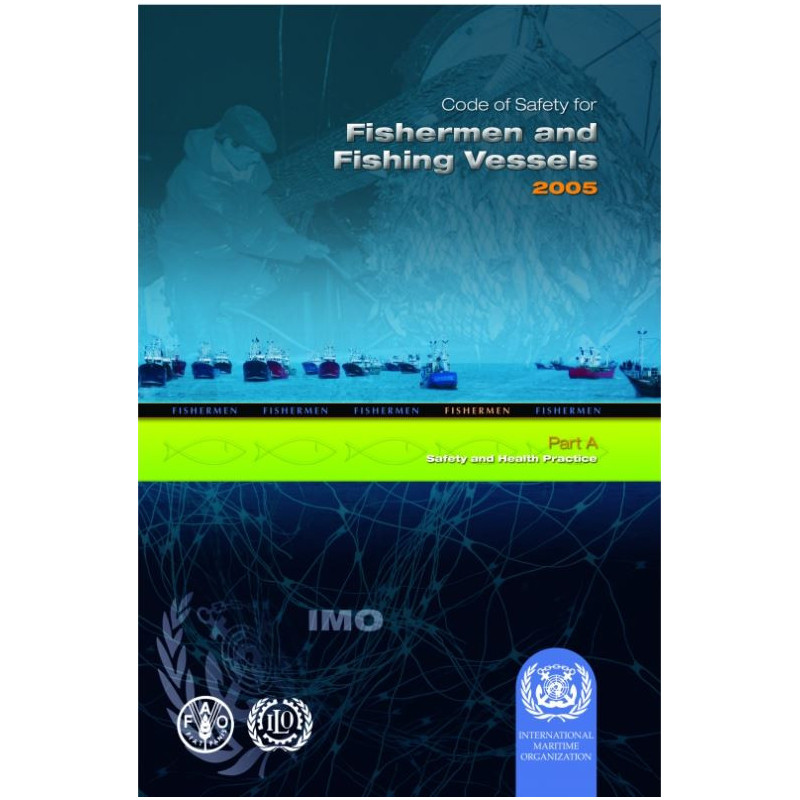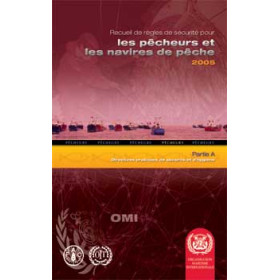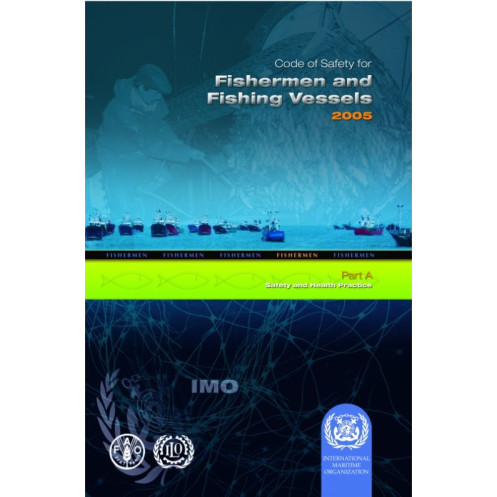




Official IMO safety code for fishermen and fishing vessels, Part A. Covers critical health and safety practices for skippers and crews, updated in 2005 for modern fishing operations.
Data sheet
Specific References
Elevate Safety Standards with the IMO’s Official Code for Fishermen and Fishing Vessels
The *Code of Safety for Fishermen and Fishing Vessels – Part A: Safety & Health Practices for Skippers & Crews* is the authoritative guide for ensuring the well-being of fishing industry professionals. Published in 2005 and endorsed by the IMO, FAO, and ILO, this code provides a robust framework for mitigating risks in one of the most dangerous occupations at sea. With a focus on practical, actionable measures, it equips skippers, crews, and maritime authorities with the knowledge to prevent accidents, enhance operational safety, and comply with international regulations. Weighing 1.8 kg, this printed edition is designed for durability and ease of use in challenging maritime environments.
Comprehensive Coverage for High-Risk Maritime Operations
This publication addresses the full spectrum of safety and health challenges faced by fishing crews, from vessel stability and emergency drills to occupational hazards and personal protective equipment (PPE). It includes detailed guidelines on safe navigation, fire prevention, first aid, and crew training, ensuring that all aspects of onboard safety are covered. The 2005 edition reflects the latest advancements in fishing vessel design and operational practices, making it a relevant and up-to-date resource for industry professionals. Whether used for training, policy development, or onboard reference, this code is an essential tool for reducing workplace injuries and fatalities in the fishing sector.
Designed for Regulatory Compliance and Industry Best Practices
Developed in collaboration with global maritime organizations, this code is recognized as the gold standard for fishing vessel safety. It is widely adopted by regulatory authorities, training institutions, and fishing vessel owners to ensure compliance with international safety standards. The publication’s structured approach makes it easy to integrate into existing safety programs, while its clear, concise language ensures accessibility for all stakeholders. By implementing the practices outlined in this code, fishing operations can enhance their safety culture, reduce operational risks, and align with global maritime safety frameworks.
This printed publication is available in English and features a durable, high-quality format designed for use in demanding maritime environments. Weighing 1.8 kg, it is easy to handle and store, making it ideal for onboard reference or training purposes. The 2006 edition reflects the latest updates approved by the IMO’s Maritime Safety Committee, ensuring compliance with current industry standards.
With a legacy of setting global maritime standards, the publisher of this code is a leading authority in maritime safety and regulatory compliance. Renowned for its expertise in developing guidelines that protect lives at sea, the organization collaborates with international bodies to ensure its publications reflect the latest advancements in maritime safety and operational best practices.
Part A covers safety and health practices specifically designed for skippers and crews, including guidelines for safe operations and workplace health on fishing vessels.
No, this edition is published exclusively in English.
The code was approved by the Maritime Safety Committee (MSC) in 2004, and by the Food and Agriculture Organization (FAO) and the International Labour Organization (ILO) in 2005.
Yes, a digital version is available, but it is locked and requires the free IMO e-reader for access.
The revision incorporates recent advancements in fishing vessel design and fishing operations to enhance safety standards.
It is intended for competent authorities, training institutions, fishing vessel owners, crew representative organizations, and NGOs involved in safety and crew training.
The printed version weighs 1.8 kg.
You might also like