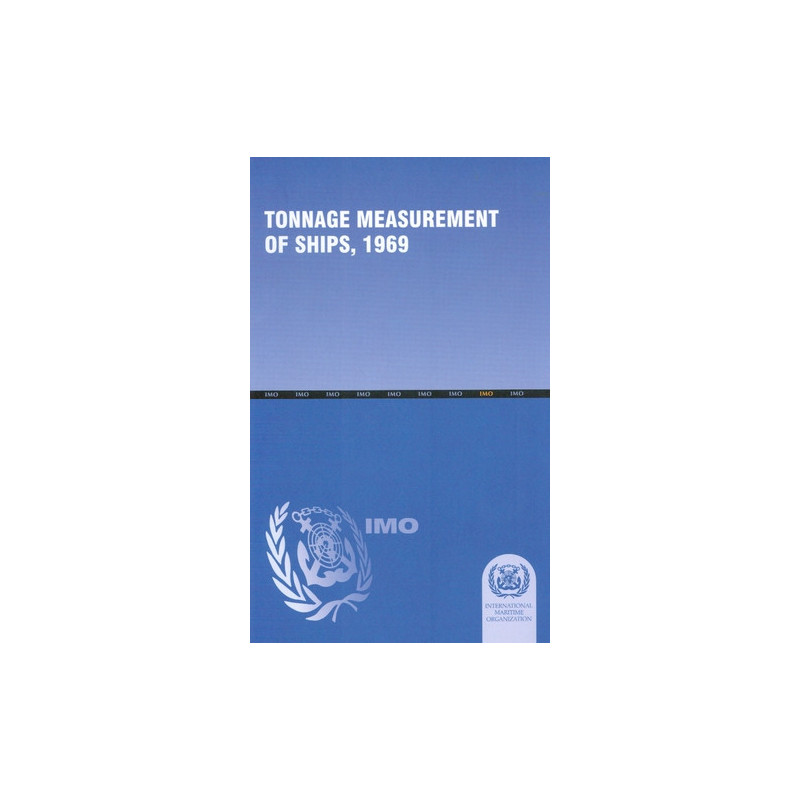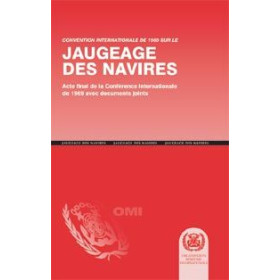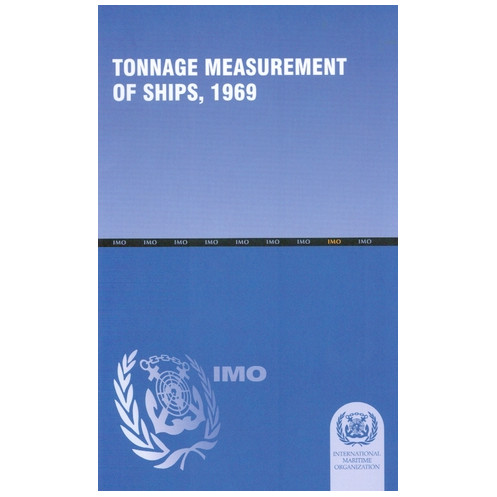





Define ship tonnage with precision using the 1969 International Conference guidelines. This digital edition covers regulations, certification, and best practices for maritime compliance.
Data sheet
Specific References
The IMO - International Conference on Tonnage Measurement of Ships 1969 is the definitive reference for professionals seeking a unified, internationally recognized system for ship tonnage measurement. This landmark publication establishes the framework for calculating gross and net tonnage, ensuring consistency, compliance, and clarity across global maritime operations. Whether you're a naval architect, shipowner, port authority, or maritime regulator, this document provides the technical foundation for accurate tonnage assessment, a critical factor in vessel registration, safety regulations, and commercial operations.
Adopted by the International Maritime Organization (IMO), this publication presents the International Convention on Tonnage Measurement of Ships, 1969, a pivotal agreement that replaced disparate national systems with a single, harmonized methodology. The convention outlines precise regulations for determining a ship’s gross and net tonnage, eliminating inconsistencies that previously hindered cross-border maritime trade. By standardizing these calculations, the convention facilitates smoother port operations, equitable fee structures, and streamlined compliance with international maritime law.
This digital publication includes the full proceedings of the 1969 conference, comprising the Final Act, the convention itself, and the accompanying regulations. It also features the International Tonnage Certificate, a mandatory document for vessels engaged in international voyages, as well as recommendations adopted during the conference. The content is meticulously structured to guide users through the technical and legal aspects of tonnage measurement, making it an indispensable tool for ensuring compliance with SOLAS, MARPOL, and other key maritime conventions.
Available in a secure digital format, this publication is optimized for professionals who require instant access to critical maritime standards. The digital version is compatible with the IMO’s free reader, ensuring seamless navigation and searchability. With 31 pages of authoritative content, it delivers the exacting detail needed for technical assessments while remaining concise enough for practical use in the field. Whether you're verifying tonnage calculations, preparing for vessel registration, or advising clients on maritime regulations, this document provides the clarity and accuracy demanded by the industry.
Since its adoption, the 1969 Tonnage Measurement Convention has been instrumental in modernizing the maritime industry. By replacing outdated and inconsistent national systems, it has reduced administrative burdens, enhanced safety standards, and fostered fairer commercial practices. This publication not only preserves the historical significance of the convention but also ensures its continued relevance in today’s globalized shipping environment. For maritime professionals committed to excellence, it remains the gold standard for tonnage measurement.
Why This Publication is Indispensable for Maritime Professionals
The International Conference on Tonnage Measurement of Ships 1969 is more than a historical document—it’s a living standard that shapes modern maritime operations. Since its adoption, this convention has provided the technical and legal framework for calculating ship tonnage, a critical metric that influences vessel registration, port fees, safety regulations, and commercial contracts. With over 150 contracting states, the convention ensures uniformity across global fleets, eliminating discrepancies that once plagued international shipping. This digital publication delivers the full text of the convention, including the Final Act, the International Tonnage Certificate, and the detailed regulations for gross and net tonnage calculations, all in a searchable, portable format.
Engineered for Accuracy and Compliance
At the heart of this publication are the regulations for determining a ship’s gross and net tonnage, which are calculated using precise formulas based on the vessel’s volume and structural characteristics. The convention defines key parameters such as the "tonnage deck," "enclosed spaces," and "exempted spaces," ensuring that measurements are both consistent and fair. For naval architects, surveyors, and maritime authorities, these regulations provide the technical rigor needed to assess vessels accurately, whether for new builds, modifications, or periodic surveys. The inclusion of the International Tonnage Certificate—a mandatory document for vessels engaged in international voyages—further underscores the publication’s role in facilitating global trade and regulatory compliance.
Optimized for the Digital Age
This digital edition is designed for professionals who demand efficiency without compromising on accuracy. Compatible with the IMO’s free reader, the publication offers instant access to its 31 pages of content, allowing users to navigate seamlessly between the convention’s articles, regulations, and recommendations. The secure, locked format ensures that the integrity of the document is preserved, while the compact file size makes it easy to store and share. Whether you’re conducting a tonnage survey, preparing documentation for a new vessel, or verifying compliance with international standards, this digital version provides the tools you need to work smarter and faster.
A Foundation for Modern Maritime Law
The 1969 Tonnage Measurement Convention was a groundbreaking achievement in maritime standardization, replacing a patchwork of national systems with a single, universally accepted methodology. Its adoption marked a turning point in the industry, paving the way for subsequent conventions like SOLAS and MARPOL, which rely on accurate tonnage measurements for safety and environmental regulations. By providing a clear, equitable system for assessing vessel capacity, the convention has reduced administrative burdens, minimized disputes, and promoted fairer commercial practices. For maritime professionals, this publication is not just a reference—it’s a cornerstone of modern maritime law and a testament to the industry’s commitment to global harmony.
This digital publication delivers the full text of the International Conference on Tonnage Measurement of Ships 1969, including the convention, regulations, and recommendations, in a secure, searchable format. Available in English, the 31-page document is compatible with the IMO’s free reader and is optimized for instant access. Published in 1970 and updated in 1983, this edition remains the authoritative reference for tonnage measurement, with dimensions of 250 mm in height and 210 mm in width, ensuring clarity and readability in its digital presentation.
With a legacy spanning decades, this organization is the leading authority in global maritime regulation, setting the standards that govern safety, security, and environmental protection in international shipping. Its conventions and publications are trusted by governments, maritime authorities, and industry professionals worldwide, providing the technical and legal frameworks that underpin modern maritime operations. From tonnage measurement to pollution prevention, its work ensures consistency, compliance, and innovation across the maritime sector.
The system establishes standardized rules for determining the gross and net tonnage of ships engaged in international voyages, ensuring consistency in measurements across global maritime operations.
No, the digital version is in a locked format and requires the free IMO e-reader for access.
The printed version contains 31 pages.
The printed book measures 250 mm in height and 210 mm in width.
The publication was first released in 1970, with the current edition dating to January 1983.
Yes, it includes the International Tonnage Certificate as part of the regulations for tonnage measurement.
You might also like