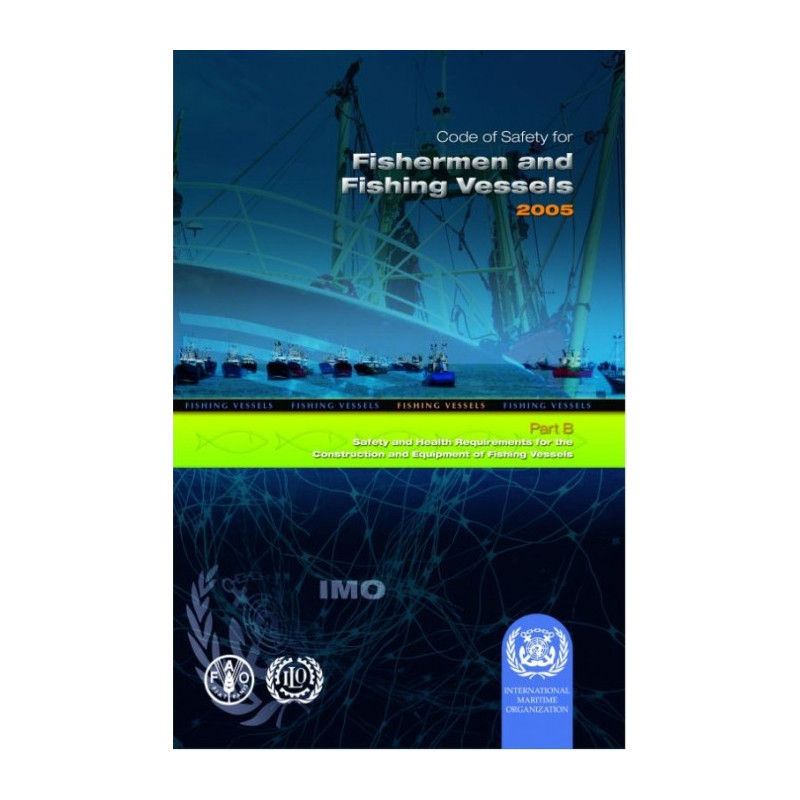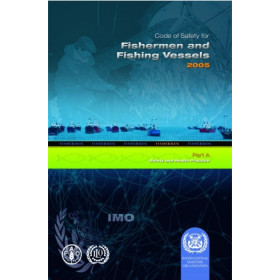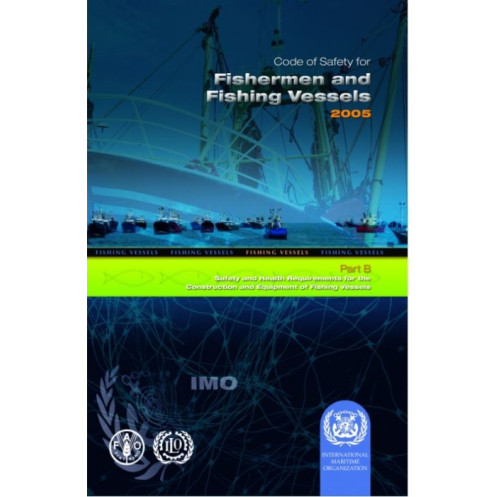



OMI - IMO755Ee - Code of Safety for Fishermen and Fishing Vessels - Part B: Safety & Health Requirements for Construction & Equi
search
  • googlemap
  • OMI - IMO755Ee - Code of Safety for Fishermen and Fishing Vessels - Part B: Safety & Health Requirements for Construction & Equi

IMO - 755Ee - Code of Safety for Fishermen and Fishing Vessels - Part B: Safety & Health Requirements for Construction & Equi

€39.60
Tax included
OMI
Chart or book in digital version In English language
Book programmed to order
Estimated preparation time: 0 to 3 days

This digital code ensures fishing vessels meet international safety and health standards for construction and equipment. Essential for shipbuilders and owners.

IMO755Ee

Data sheet

On what digital medium is this nautical chart / book stored?
digital medium
download
Picto
Chart or book in digital version
In English language

Specific References

UPC
400000002477
EAN13
4000000003762
New
Book programmed to order
Description détaillée

IMO Code of Safety for Fishermen and Fishing Vessels – Part B: Safety & Health Requirements for Construction & Equipment

Publication in English
Digital version e-book

Essential Compliance Guide for Fishing Vessel Safety and Health

The *IMO Code of Safety for Fishermen and Fishing Vessels – Part B* is the definitive digital reference for ensuring compliance with international safety and health standards in the fishing industry. This 2005 edition, approved by the International Maritime Organization (IMO), the Food and Agriculture Organization (FAO), and the International Labour Organization (ILO), provides a comprehensive framework for the construction and equipment of fishing vessels. Designed for shipbuilders, vessel owners, and maritime safety professionals, this code is a cornerstone for safeguarding lives and promoting operational excellence in one of the world’s most hazardous industries.

Internationally Recognized Standards for Maritime Safety

Developed through collaboration between the IMO, FAO, and ILO, this code reflects the latest advancements in maritime safety and occupational health. It establishes rigorous requirements for vessel design, structural integrity, and onboard equipment, ensuring that fishing vessels meet the highest safety benchmarks. By adhering to these guidelines, industry stakeholders can mitigate risks, enhance crew protection, and align with global regulatory expectations. The 2005 revision, approved during the IMO’s Maritime Safety Committee’s 79th session, remains a trusted resource for professionals seeking to implement best practices in vessel construction and operation.

Digital Accessibility for Modern Maritime Professionals

Available as a secure digital e-book, this publication offers unparalleled convenience for maritime professionals. The IMO’s proprietary reader ensures seamless access to the full text while maintaining copyright protection. With perpetual access to the 2005 edition, users can reference critical safety protocols anytime, anywhere—even offline through browser caching. The digital format also includes controlled printing capabilities, allowing for limited hard-copy distribution of key sections while preventing unauthorized duplication. This makes it an ideal solution for shipyards, regulatory bodies, and training institutions that require reliable, up-to-date compliance resources.

Why This Code is Indispensable for the Fishing Industry

Fishing remains one of the most dangerous occupations globally, with vessels often operating in extreme conditions far from emergency assistance. The *Code of Safety for Fishermen and Fishing Vessels – Part B* addresses these challenges by providing clear, actionable guidelines for vessel construction and equipment. From structural reinforcements to lifesaving appliances, the code covers every aspect of onboard safety, helping to reduce accidents, injuries, and fatalities. For shipbuilders, it serves as a blueprint for designing vessels that meet international standards, while vessel owners and operators can use it to ensure their fleets comply with regulatory requirements. By integrating these guidelines, the maritime industry can foster a culture of safety that protects both crew and assets.

A Trusted Resource for Regulatory Compliance and Training

Beyond its technical specifications, this code is an invaluable tool for training and education. Maritime academies, safety inspectors, and regulatory agencies rely on its provisions to develop curricula, conduct audits, and enforce compliance. The digital format enhances its utility, allowing for quick searches, annotations, and cross-referencing with other IMO publications. Whether used for pre-construction planning, routine inspections, or emergency preparedness, this code ensures that all stakeholders have access to the most authoritative safety and health requirements for fishing vessels. In an industry where safety is paramount, this publication is not just a reference—it’s a lifeline.

Ensure Compliance with the Gold Standard for Fishing Vessel Safety
The *IMO Code of Safety for Fishermen and Fishing Vessels – Part B* is the internationally recognized benchmark for safety and health requirements in the fishing industry. This digital e-book provides shipbuilders, vessel owners, and maritime safety professionals with the critical guidelines needed to design, construct, and equip fishing vessels in accordance with global standards. With 205 pages of authoritative content, this 2005 edition is the result of collaboration between the International Maritime Organization (IMO), the Food and Agriculture Organization (FAO), and the International Labour Organization (ILO), ensuring its relevance and credibility across the maritime sector.

Designed for High-Stakes Maritime Environments
Fishing vessels operate in some of the most demanding conditions, where safety lapses can have catastrophic consequences. This code addresses these challenges by outlining stringent requirements for vessel construction, structural integrity, and onboard equipment. From hull design to fire safety systems, it covers every aspect of vessel safety, helping to minimize risks and protect crew members. The guidelines are tailored to the unique needs of the fishing industry, ensuring that vessels are built to withstand the rigors of offshore operations while maintaining compliance with international regulations.

Secure, Perpetual Access to Critical Safety Guidelines
Delivered in a secure digital format, this e-book offers unmatched convenience for maritime professionals. Accessible through the IMO’s proprietary reader, it ensures that users can reference the code anytime, anywhere—even offline via browser caching. The digital format also includes controlled printing capabilities, allowing for limited distribution of key sections while preventing unauthorized duplication. With perpetual access to the 2005 edition, this publication is a long-term investment in safety and compliance, providing a reliable resource for shipyards, regulatory bodies, and training institutions.

An Indispensable Tool for Regulatory Compliance and Training
Beyond its technical specifications, this code serves as a vital resource for training, audits, and inspections. Maritime academies, safety inspectors, and regulatory agencies use its provisions to develop curricula, conduct vessel assessments, and enforce compliance. The digital format enhances its utility, enabling quick searches, annotations, and cross-referencing with other IMO publications. Whether for pre-construction planning, routine safety checks, or emergency preparedness, this code ensures that all stakeholders have access to the most authoritative safety and health requirements for fishing vessels.

This digital publication provides comprehensive safety and health guidelines for the construction and equipment of fishing vessels, as defined by the International Maritime Organization (IMO). Available in English, the 2005 edition spans 205 pages and is accessible in a secure PDF format through the IMO’s proprietary reader. The e-book offers perpetual access, with offline functionality supported via browser caching. Printing is limited to 10 pages per session, with a maximum of 50 pages per title, ensuring controlled distribution while maintaining copyright protection.

With a legacy of shaping global maritime standards, the publisher behind this publication is a leading authority in the development of safety regulations for the shipping and fishing industries. Recognized by international organizations such as the United Nations, its guidelines are adopted worldwide to enhance operational safety, protect lives at sea, and promote sustainable maritime practices. This digital publication reflects the organization’s commitment to providing accessible, up-to-date resources for professionals in the maritime sector.

  • This digital code offers unparalleled convenience and reliability for maritime professionals.
  • Its secure, perpetual access ensures that users can reference critical safety guidelines anytime, even offline.
  • The controlled printing feature allows for limited distribution of key sections while preventing unauthorized duplication.
  • As an internationally recognized standard, it provides a trusted framework for vessel construction and equipment, helping shipbuilders, vessel owners, and regulatory bodies achieve compliance with global safety and health requirements.
  • The digital format also enhances usability, enabling quick searches, annotations, and cross-referencing, making it an indispensable tool for training, audits, and emergency preparedness.
What is the scope of the safety and health requirements covered in this code?

The code outlines safety and health requirements specifically for the construction and equipment of fishing vessels, ensuring compliance with international maritime safety standards.

Is this publication available in languages other than English?

No, this edition is only available in English.

Can the digital version be downloaded for offline use?

The digital version is accessible online only and cannot be downloaded, but offline access is supported through browser caching.

How many pages can be printed per session?

You can print up to 10 pages per session, with a maximum limit of 50 pages per title.

Which organizations approved the revised text of this code?

The revised text was approved by the IMO’s Maritime Safety Committee, the FAO’s Committee on Fisheries, and the governing body of the International Labour Organization.

What is the access duration for this digital publication?

Access is perpetual for the lifetime of this edition.

Loading...