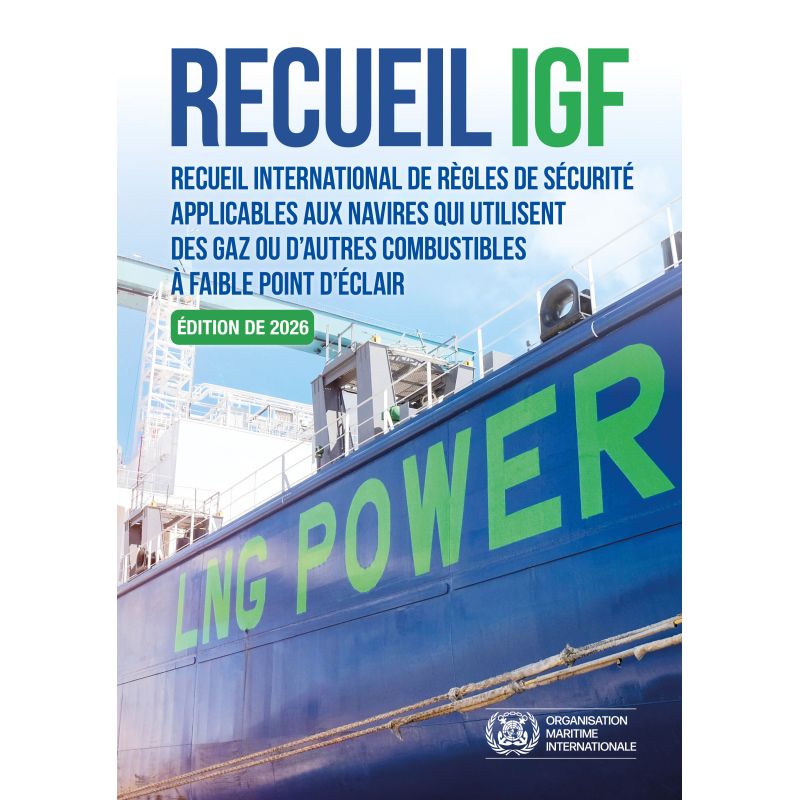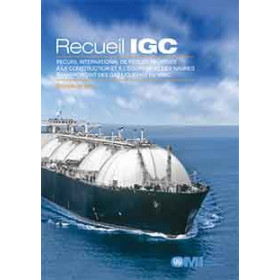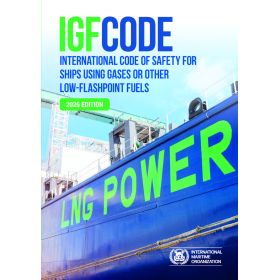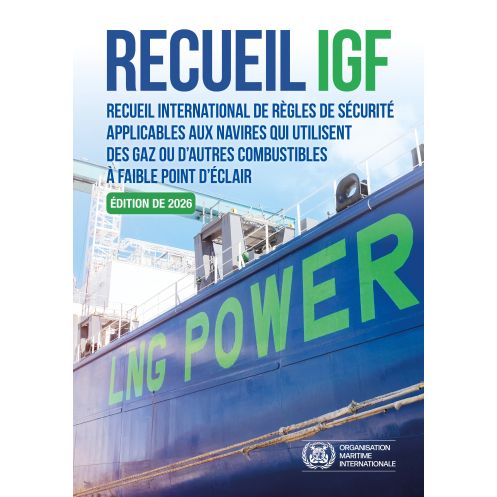





Ensure compliance with international safety standards for ships using gas or low-flashpoint fuels. This digital guide covers design, construction, and operations to minimize risks for crew and vessel.
Data sheet
Specific References
The maritime industry is rapidly evolving with the adoption of cleaner, alternative fuels. This comprehensive digital publication delivers the mandatory international safety standards for ships using gaseous fuels or low-flashpoint liquids like LNG. Designed specifically for maritime professionals, it establishes the critical framework for safe vessel design, construction, and operation when utilizing these innovative fuel sources.
This authoritative code addresses every aspect of vessel safety when using gaseous or low-flashpoint fuels. From initial design concepts to daily operations, it provides detailed requirements for machinery, equipment, and system installations. The publication covers risk assessment methodologies, safety protocols, and operational procedures that minimize hazards to crew, vessel, and environment. Its digital format ensures instant access to the most current safety regulations for maritime professionals worldwide.
Engineers and naval architects will find precise technical guidance for implementing alternative fuel systems. The code specifies requirements for fuel containment, handling, and distribution systems, including material specifications, pressure ratings, and safety margins. It addresses ventilation systems, gas detection equipment, and emergency shutdown procedures that are critical for safe operations. The publication also establishes standards for crew training and competency when working with these specialized fuel systems.
Ship operators and safety officers will benefit from the detailed operational guidelines covering every phase of vessel operation. From bunkering procedures to emergency response protocols, the code provides clear instructions for maintaining safety during all operations involving gaseous or low-flashpoint fuels. It includes requirements for safety management systems, risk assessment procedures, and operational limitations that ensure compliance with international maritime safety standards.
Beyond crew and vessel safety, this publication establishes environmental protection measures for ships using alternative fuels. It addresses emissions control, spill prevention, and environmental risk mitigation strategies that are essential for sustainable maritime operations. The code aligns with global environmental initiatives while maintaining the highest safety standards for vessels transitioning to cleaner fuel technologies.
Available as a secure digital publication, this essential reference provides immediate access to critical safety information. The digital format enables quick searches, easy updates, and portable access for maritime professionals working in shipyards, on vessels, or in regulatory agencies. Its French-language content makes it particularly valuable for French-speaking maritime professionals and organizations operating in Francophone regions.
Transform your vessel's safety standards with the digital French edition of the International IGF Code
This essential digital publication brings you the complete set of international safety regulations for ships utilizing gaseous fuels or other low-flashpoint alternatives like LNG. Developed by leading maritime safety experts, it provides the technical foundation for designing, constructing, and operating next-generation vessels that meet stringent international safety requirements. The digital format delivers instant access to critical safety information, ensuring your operations remain compliant with evolving maritime regulations.
Comprehensive safety framework for alternative fuel vessels
Covering every aspect of vessel safety, this authoritative code establishes mandatory requirements for machinery, equipment, and system installations when using gaseous or low-flashpoint fuels. From fuel containment systems to emergency response protocols, it provides detailed technical specifications that minimize risks to crew, vessel, and environment. The publication addresses ventilation requirements, gas detection systems, and operational procedures that form the backbone of safe alternative fuel operations in the maritime industry.
Engineering standards for modern maritime technology
Naval architects and marine engineers will find precise technical guidance for implementing alternative fuel systems in new vessel designs or retrofits. The code specifies material requirements, pressure ratings, and safety margins for fuel storage and distribution systems. It establishes standards for electrical installations in hazardous areas, fire protection systems, and emergency shutdown procedures that are critical for safe operations with these specialized fuels.
Operational safety for the evolving maritime industry
Ship operators and safety officers gain access to comprehensive operational guidelines covering every phase of vessel operation. From bunkering procedures to routine maintenance, the code provides clear instructions for maintaining safety during all operations involving gaseous or low-flashpoint fuels. It includes requirements for crew training, competency assessment, and operational limitations that ensure compliance with international maritime safety standards throughout your fleet's operations.
This digital publication delivers the complete International IGF Code in French, providing immediate access to international safety standards for ships using gaseous fuels or low-flashpoint alternatives. The secure digital format is compatible with the official maritime reader software, ensuring reliable access to critical safety information across all your devices. With comprehensive coverage of design requirements, operational procedures, and safety protocols, this publication serves as the definitive reference for maritime professionals working with alternative fuel technologies.
For over seven decades, this specialized maritime organization has been at the forefront of developing international regulations that enhance safety, security, and environmental protection in the shipping industry. Recognized as the global standard-setter for maritime safety, their publications provide the technical foundation for safe and sustainable shipping operations worldwide. Their comprehensive codes and guidelines are developed through extensive collaboration with industry experts, governments, and international organizations, ensuring they address the evolving needs of the maritime sector while maintaining the highest safety standards.
The regulations cover gaseous fuels and other low-flashpoint fuels, such as LNG, used in ship operations.
The digital version is locked and requires the free dedicated reader provided by the issuing organization.
Yes, the standards are internationally mandatory for the design, construction, and operation of such vessels.
Yes, it provides criteria for the layout, installation, control, and monitoring of machinery and systems to minimize risks.
The digital format is locked and cannot be printed or shared beyond the authorized user.
It addresses risks to the vessel, crew, and environment, considering the specific nature of the fuels used.
You might also like