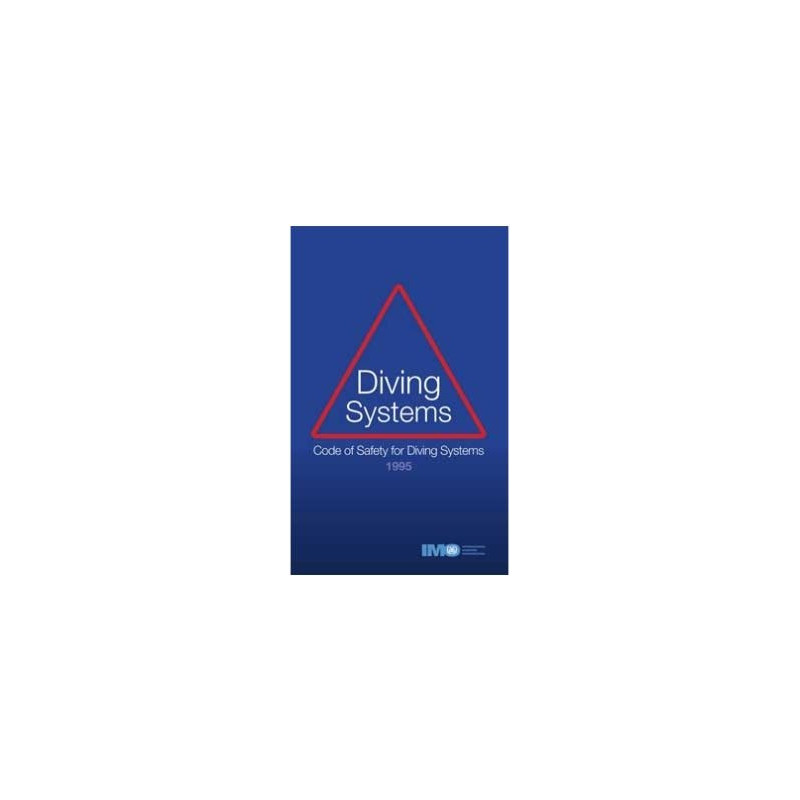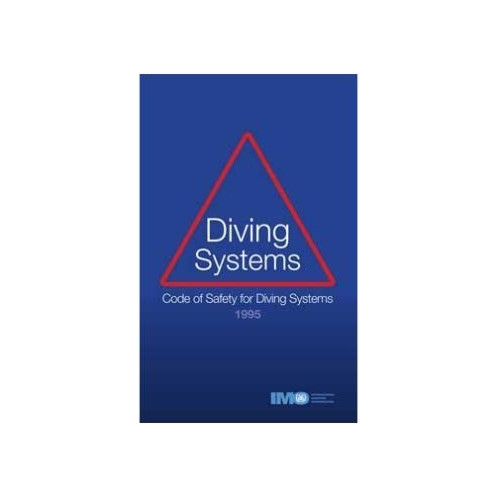





The 1995 Code of Safety for Diving Systems provides essential guidelines for designing, constructing, and inspecting diving systems to enhance safety for personnel and equipment on vessels.
Data sheet
Specific References
The IMO Code of Safety for Diving Systems 1995 is a cornerstone publication for professionals involved in diving operations within the maritime sector. This digital document establishes international minimum standards for the design, construction, equipment, and inspection of diving systems on ships and floating structures. By adhering to these guidelines, industry stakeholders ensure enhanced safety for divers and personnel while facilitating seamless international operations. The code is indispensable for minimizing risks associated with diving systems, promoting operational efficiency, and maintaining compliance with global maritime regulations.
Developed under Resolution A.536(13), later amended by Resolution A.831(19), this code provides a robust framework for the safe execution of diving operations. It outlines critical criteria for the design and construction of diving systems, ensuring they meet stringent safety benchmarks. The document also specifies the necessary equipment and inspection protocols to uphold these standards, making it a vital resource for engineers, safety inspectors, and maritime operators. Whether for commercial, industrial, or offshore applications, this code serves as a reference for maintaining the highest levels of safety and reliability in diving systems.
Available in a secure digital format, this publication offers unparalleled convenience for maritime professionals. The digital version ensures instant access to the latest safety standards, allowing users to reference critical information anytime, anywhere. This format is particularly advantageous for teams operating in remote or offshore locations, where quick access to regulatory documents can significantly enhance operational decision-making. The digital edition is compatible with standard reading devices, ensuring seamless integration into existing workflows while maintaining the integrity and security of the content.
The IMO Code of Safety for Diving Systems 1995 plays a pivotal role in harmonizing safety practices across the maritime industry. By providing a unified set of standards, it helps streamline international operations, reducing discrepancies in safety protocols between different regions. This publication is not only a regulatory requirement but also a practical tool for improving the safety culture within organizations. It empowers maritime professionals to implement best practices, mitigate risks, and ensure compliance with international maritime laws, ultimately contributing to safer and more efficient diving operations worldwide.
Enhance Diving Safety with the IMO Code of Safety for Diving Systems 1995
The IMO Code of Safety for Diving Systems 1995 is a critical digital publication designed to uphold the highest safety standards for diving operations on ships and floating structures. This essential document, established under Resolution A.536(13) and amended by Resolution A.831(19), provides a comprehensive framework for minimizing risks to vessels, divers, and personnel. By offering internationally recognized guidelines, it ensures compliance with global maritime safety regulations, making it an indispensable resource for maritime professionals, engineers, and safety inspectors.
International Standards for Design, Construction, and Inspection
This digital publication outlines rigorous criteria for the design and construction of diving systems, ensuring they meet the minimum safety requirements set by the International Maritime Organization (IMO). It covers essential aspects such as equipment specifications, operational protocols, and inspection standards, providing a clear roadmap for maintaining safety and efficiency in diving operations. With a focus on practical application, the code helps organizations implement best practices, reduce operational risks, and facilitate the international movement of vessels equipped with diving systems.
Optimized for Digital Accessibility and Convenience
Available in a secure digital format, this publication offers immediate access to vital safety information, making it ideal for professionals working in dynamic maritime environments. The digital version is compatible with standard reading devices, ensuring seamless integration into existing workflows. With 30 pages of detailed guidelines, this document is a concise yet comprehensive resource for enhancing safety and compliance in diving operations. Published in January 1997, it remains a relevant and authoritative reference for the maritime industry.
The IMO Code of Safety for Diving Systems 1995 is a digital publication available in PDF format, ensuring easy access and secure storage. This document spans 30 pages and is published in English, providing clear and concise guidelines for diving system safety. It was established under Resolution A.536(13), with amendments introduced by Resolution A.831(19). The digital file is lightweight, with a size of 0.15 lb, and is designed for compatibility with standard reading devices, offering a practical solution for maritime professionals.
The International Maritime Organization (IMO) is a specialized agency of the United Nations responsible for regulating shipping and maritime activities worldwide. Established in 1948, the IMO sets global standards for safety, security, and environmental performance in the maritime industry. Its publications, including codes, conventions, and guidelines, are recognized as the benchmark for maritime regulations, ensuring the safe and efficient operation of vessels and maritime infrastructure across the globe.
It covers resolution A.536(13), as amended by resolution A.831(19), establishing international safety standards for diving systems.
The digital format is a locked PDF, readable using the free IMO e-reader software, compatible with most devices supporting PDFs.
The e-reader requires a device with PDF support, such as a computer, tablet, or smartphone with updated software for optimal viewing.
Yes, it provides minimum international standards for design, construction, equipment, and inspection of diving systems on ships and floating structures.
The digital version contains 30 pages of technical guidelines and safety standards.
The digital version is locked and intended for individual use only; printing or sharing is restricted per the publisher's terms.
You might also like