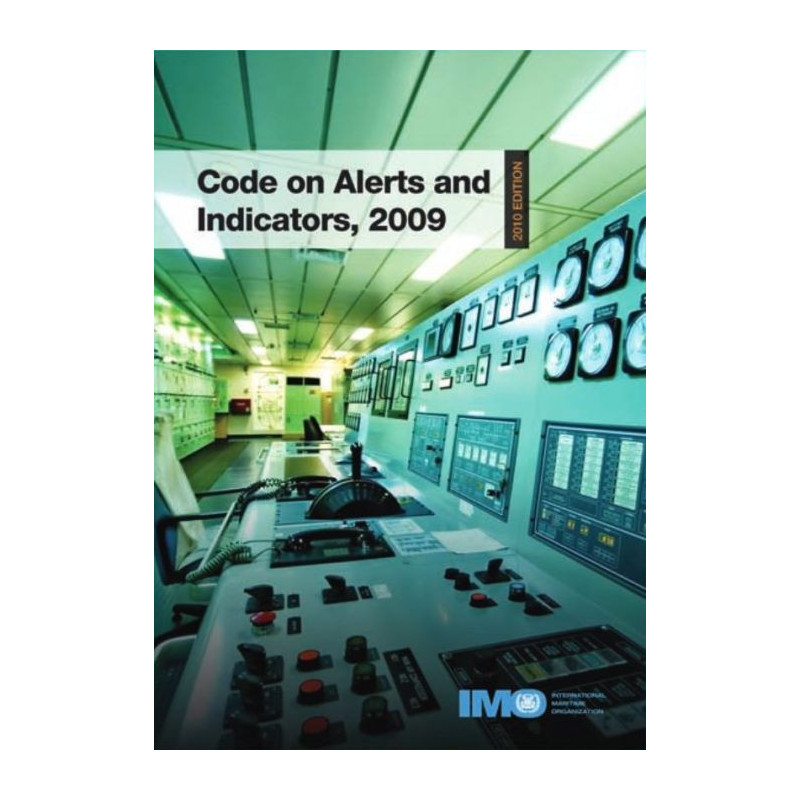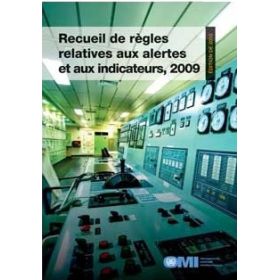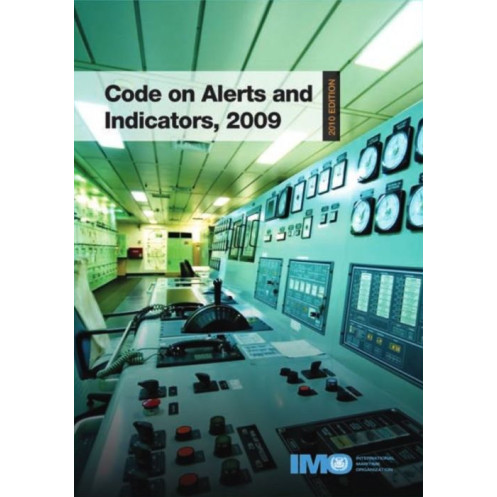





Meet SOLAS and MARPOL standards with the 2009 Code on Alerts and Indicators. This digital guide ensures uniform design, prioritization, and placement of maritime alerts for safer vessel operations.
Data sheet
Specific References
The IMO Code on Alerts and Indicators 2009 is a critical digital resource designed to standardize the design, implementation, and management of alerts and indicators on commercial vessels. This publication consolidates decades of maritime safety expertise into a single, authoritative document, ensuring compliance with international conventions while enhancing operational efficiency and crew response times. By addressing the complexities of modern maritime systems, this code provides a structured approach to integrating alerts and indicators across all shipboard operations.
Developed by the International Maritime Organization (IMO), this code serves as the definitive reference for aligning alert and indicator systems with the SOLAS Convention, MARPOL regulations, and other key maritime instruments. It replaces and updates the 1995 Code on Alarms and Indicators, incorporating the latest advancements in technology and safety protocols. The 2009 edition introduces revised guidelines for priority levels, aggregation methods, grouping strategies, and placement standards, ensuring consistency across vessel types and fleets. Whether for newbuilds or retrofits, this code is indispensable for shipowners, naval architects, and maritime engineers seeking to meet global regulatory requirements.
This digital publication delivers actionable insights into the design, color coding, symbol usage, and prioritization of alerts and indicators, enabling crews to respond swiftly and effectively to critical situations. By standardizing these elements, the code minimizes the risk of misinterpretation and operational errors, which are common challenges in high-pressure maritime environments. It also addresses the integration of alerts with automated systems, bridge equipment, and engine room controls, ensuring seamless communication between onboard technologies. For maritime professionals, this resource is a cornerstone for designing systems that enhance situational awareness and reduce human error.
Available as a locked digital edition, this code is accessible via the IMO’s free reader, making it a practical and portable solution for maritime professionals. The digital format ensures that users can quickly reference guidelines during design, inspection, or training, without the need for physical copies. With 64 pages of expertly curated content, this publication is a compact yet comprehensive tool for navigating the complexities of maritime safety regulations. Its lightweight and user-friendly design make it ideal for use in offices, onboard vessels, or during remote consultations.
Tailored for ship operators, safety inspectors, classification societies, and regulatory bodies, the IMO Code on Alerts and Indicators 2009 is more than a compliance document—it’s a strategic asset for improving vessel safety and operational reliability. By adopting its guidelines, maritime stakeholders can ensure their systems align with the highest international standards, reducing the risk of non-compliance and enhancing overall safety. This publication is an investment in the future of maritime safety, providing the tools needed to navigate an evolving regulatory landscape with confidence.
Elevate Your Vessel’s Safety Systems with the IMO Code on Alerts and Indicators 2009
In the fast-paced world of maritime operations, clarity and consistency in alerts and indicators can mean the difference between seamless navigation and critical failures. The IMO Code on Alerts and Indicators 2009 is the definitive digital resource for designing, implementing, and managing shipboard alert systems that meet the highest international safety standards. This publication is not just a regulatory requirement—it’s a strategic tool for enhancing crew response, reducing operational risks, and ensuring compliance with SOLAS, MARPOL, and other key maritime conventions. Whether you’re outfitting a new vessel or upgrading existing systems, this code provides the structured guidance needed to create intuitive, reliable, and standardized alert systems.
Comprehensive Guidelines for Modern Maritime Safety
This digital edition consolidates decades of maritime safety expertise into a single, authoritative document, replacing the outdated 1995 Code on Alarms and Indicators. It offers updated guidelines on priority levels, aggregation methods, grouping strategies, and placement standards, ensuring that alerts and indicators are both effective and easy to interpret. The code also addresses the integration of alerts with bridge equipment, engine room controls, and automated systems, providing a holistic approach to shipboard safety. With 64 pages of expertly curated content, this publication is a compact yet powerful resource for maritime professionals seeking to optimize their safety systems.
Designed for Digital Efficiency and Accessibility
Available as a locked digital edition, this code is accessible via the IMO’s free reader, making it a practical and portable solution for today’s maritime professionals. The digital format ensures instant access to critical guidelines, whether you’re in the office, onboard a vessel, or conducting remote inspections. Weighing just 0.35 lb and with dimensions of 8.25 x 5.75 x 0.50 inches, this publication is designed for convenience without compromising on content. Its user-friendly layout and searchable text make it easy to reference during design, training, or compliance audits, ensuring that you always have the information you need at your fingertips.
An Indispensable Resource for Maritime Stakeholders
Tailored for shipowners, naval architects, safety inspectors, and regulatory bodies, the IMO Code on Alerts and Indicators 2009 is more than just a compliance document—it’s a roadmap to safer, more efficient maritime operations. By adopting its guidelines, you can ensure that your vessel’s alert systems are aligned with the latest international standards, reducing the risk of non-compliance and enhancing overall safety. This publication is an investment in the future of your fleet, providing the tools needed to navigate an evolving regulatory landscape with confidence and precision.
The IMO Code on Alerts and Indicators 2009 is a digital publication designed for maritime professionals, offering 64 pages of expert guidelines on the design, prioritization, and implementation of shipboard alerts and indicators. Available in English, this locked digital edition is compatible with the IMO’s free reader and was published in January 2010, reflecting the 2009/2010 edition. With dimensions of 8.25 x 5.75 x 0.50 inches and a weight of 0.35 lb, it provides a portable and accessible solution for ensuring compliance with international maritime safety standards.
With a legacy of shaping global maritime safety standards, the publisher behind this publication is a leading authority in the maritime industry. Renowned for developing comprehensive guidelines and regulations, it provides essential resources that ensure compliance, enhance operational efficiency, and promote safety across the world’s fleets. Its publications are trusted by maritime professionals, regulatory bodies, and industry stakeholders for their accuracy, relevance, and impact on international maritime practices.
It covers guidelines for alerts and indicators required by the SOLAS Convention, MARPOL Convention, and other associated instruments and codes to ensure uniformity in design and implementation.
No, it is a locked digital format and can only be read using the free IMO e-reader.
This edition updates, revises, and replaces the 1995 Code on Alarms and Indicators, consolidating references to priorities, aggregation, grouping, locations, and types of alerts and indicators.
The digital version contains 64 pages.
The printed version measures 8.25 x 5.75 x 0.50 inches (width x height x depth).
No, the digital version is locked and cannot be printed or copied.
You might also like