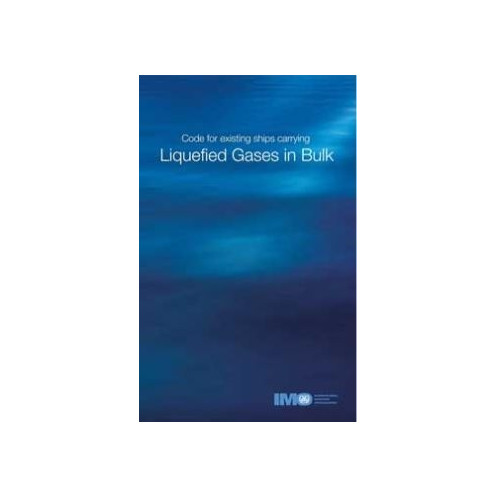



OMI - IMO788Ee - Code for Existing Ships Carrying Liquified Gases in Bulk
search
  • googlemap
  • OMI - IMO788Ee - Code for Existing Ships Carrying Liquified Gases in Bulk

IMO - 788Ee - Code for Existing Ships Carrying Liquified Gases in Bulk

€34.20
Tax included
OMI
Chart or book in digital version In English language
Book programmed to order
Estimated preparation time: 0 to 3 days

Ensure compliance and safety for existing ships carrying liquefied gases in bulk with this essential 1976 IMO digital code. Includes key amendments and guidelines for pre-1977 vessels.

IMO788Ee

Data sheet

On what digital medium is this nautical chart / book stored?
digital medium
download
Picto
Chart or book in digital version
In English language

Specific References

UPC
400000002897
EAN13
4000000010210
New
Book programmed to order
Description détaillée

IMO Code for Existing Ships Carrying Liquefied Gases in Bulk

Publication in English
Digital version e-book

Essential Compliance for Liquefied Gas Transport

This comprehensive digital publication sets the international benchmark for the safe transportation of liquefied gases in bulk by existing ships. Designed specifically for vessels delivered before December 31, 1976, it provides critical safety standards that bridge the gap between older maritime infrastructure and modern operational requirements. As a cornerstone reference for maritime professionals, this code ensures that legacy vessels meet essential safety protocols while maintaining operational efficiency in the specialized field of gas transport.

International Maritime Safety Framework

Developed under the auspices of the International Maritime Organization, this code represents a coordinated global effort to standardize safety practices across the maritime industry. It establishes uniform requirements for ship design, construction, equipment, and operational procedures, creating a level playing field for international shipping operations. The publication serves as a vital tool for flag states, port authorities, and classification societies in verifying compliance with internationally recognized safety standards.

Targeted Application for Existing Vessels

Unlike broader maritime regulations that apply to newer vessels, this code specifically addresses the unique challenges faced by existing ships in liquefied gas transport. It provides practical solutions for retrofitting and adapting older vessels to meet essential safety requirements without imposing the full scope of more recent resolutions. This targeted approach enables shipowners and operators to maintain the viability of their existing fleets while ensuring compliance with fundamental safety principles.

Comprehensive Regulatory Content

The digital publication encompasses a complete regulatory framework, including the core 1976 code and essential supplementary materials. The included 1980 supplement provides crucial updates, implementation guidelines, and amendments from 1978 through 1980, ensuring that maritime professionals have access to the most relevant and up-to-date information. This consolidated approach eliminates the need to reference multiple documents, streamlining compliance verification processes.

Digital Accessibility for Maritime Professionals

Presented in a secure digital format, this publication offers immediate access to critical regulatory information without the limitations of physical distribution. The PDF format ensures compatibility with various devices and platforms, allowing maritime professionals to reference the code during inspections, audits, and operational planning. This digital accessibility supports efficient decision-making and enhances safety management across the global maritime industry.

International Standard for Liquefied Gas Transport Safety
The IMO Code for Existing Ships Carrying Liquefied Gases in Bulk establishes the definitive safety framework for vessels transporting liquefied gases, specifically targeting ships delivered before December 31, 1976. This digital publication delivers essential regulatory guidance that enables maritime professionals to maintain compliance with international safety standards while operating legacy vessels in the specialized gas transport sector. With 84 pages of comprehensive technical content, it serves as the primary reference for ensuring safe and efficient operations in this high-risk maritime activity.

Comprehensive Regulatory Solution for Legacy Vessels
Unlike broader maritime codes that focus on newer vessels, this publication addresses the unique challenges of existing ships through targeted safety requirements. It provides practical solutions for adapting older maritime infrastructure to meet fundamental safety principles without imposing the full scope of more recent resolutions. The included 1980 supplement delivers crucial updates, including implementation guidelines and amendments from 1978, 1979, and 1980, ensuring maritime professionals have access to the most current regulatory information in a single, consolidated digital resource.
Digital Compliance Tool for Maritime Operations
Presented in a secure PDF format, this digital publication offers immediate access to critical regulatory information, eliminating the delays associated with physical document distribution. The digital format supports efficient compliance verification during inspections, audits, and operational planning, while the included summary of minimum requirements provides quick-reference guidance for essential safety protocols. This accessibility enhances decision-making processes and supports consistent safety management across international maritime operations.

This digital publication comprises the 1976 IMO Code for Existing Ships Carrying Liquefied Gases in Bulk, featuring 84 pages of regulatory content in English. The PDF format includes the core code plus essential supplementary materials: a summary of minimum requirements and the 1980 supplement containing implementation guidelines and amendments from 1978 through 1980. Designed specifically for vessels delivered before December 31, 1976, this digital resource provides targeted safety standards for legacy ships transporting liquefied gases in bulk.

With a longstanding reputation in maritime regulatory publications, this organization sets the global standard for safety and operational protocols in international shipping. Their comprehensive portfolio of codes, guidelines, and technical publications serves as the foundation for maritime safety management worldwide, supporting compliance across flag states, classification societies, and port authorities. Each publication reflects decades of expertise in developing practical solutions for the complex challenges of modern maritime operations.

  • This digital publication delivers immediate access to critical regulatory information, eliminating physical distribution delays while maintaining the complete content of the original 1976 code and its essential supplements.
  • The secure PDF format ensures compatibility across devices, supporting efficient compliance verification during inspections and operational planning.
  • By consolidating the core code with implementation guidelines and historical amendments, it provides a comprehensive regulatory solution in a single, searchable digital resource that enhances safety management for existing vessels in liquefied gas transport.
What types of ships does this code apply to?

This code applies to existing ships carrying liquefied gases in bulk that were delivered before December 31, 1976, excluding those covered by resolution A.328(IX).

Is this publication available in languages other than English?

No, this publication is only available in English.

What is included in the 1980 Supplement?

The 1980 Supplement includes guidelines for applying code amendments, implementation dates, and amendments from 1978, 1979, and 1980.

Can this digital version be read on any device?

The digital version is locked and can only be read using the free IMO e-reader.

How many pages does this publication contain?

The publication contains 84 pages, including supplements.

Are there any additional requirements for compliance with this code?

Yes, the publication includes a summary of the minimum requirements for compliance with the code.

Does this code cover ships built after 1976?

No, this code specifically applies to ships delivered before December 31, 1976.

Loading...