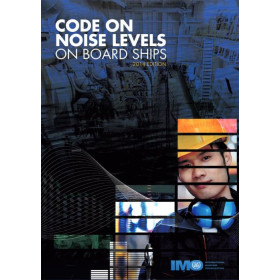





Ensure compliance with international noise level standards on ships with this 2014 digital guide. Covers mandatory limits, measurement reports, and noise mitigation methods for safer, quieter vessels.
Data sheet
Specific References
Navigating the complexities of maritime safety regulations demands precision, and the 2014 Code on Noise Levels on Board Ships delivers just that. This digital publication provides the latest international standards for noise control on vessels, ensuring compliance with SOLAS II-1/3-12. Adopted under resolution MSC.337(91), it sets mandatory noise level limits for critical areas such as engine rooms, control rooms, workshops, and crew accommodations. Effective since July 1, 2014, this code is a cornerstone for shipbuilders, operators, and safety officers aiming to create safer, more compliant working environments on board.
Tailored for new ships of 1,600 gross tonnage (GT) and above, this code also offers guidance for retrofitting existing vessels where practicable. It establishes clear, enforceable thresholds for noise exposure, helping to mitigate risks such as hearing loss and communication breakdowns in high-noise environments. The code includes a standardized format for noise measurement reports, ensuring consistency in compliance documentation. Whether you're designing a newbuild or upgrading an older vessel, this publication provides the tools to meet regulatory expectations while enhancing crew well-being.
More than just a regulatory requirement, this code serves as a comprehensive guide to noise management in maritime operations. It offers recommended methods for noise mitigation, from engineering controls to administrative measures, and integrates noise considerations into safety management systems. A simplified procedure for assessing noise exposure further streamlines compliance efforts. While certain provisions are mandatory under SOLAS, others remain advisory, striking a balance between enforceability and practicality. This dual approach ensures that operators can adopt best practices without unnecessary operational burdens.
Available as a downloadable e-book, this digital version of the code is designed for today’s fast-paced maritime industry. With 62 pages of critical information, it’s optimized for quick reference, whether you're onshore or at sea. The publication’s dimensions (210 mm x 150 mm) ensure readability across devices, making it a versatile tool for engineers, safety inspectors, and ship managers. By providing instant access to up-to-date regulations, it eliminates the delays associated with traditional printed materials, allowing professionals to stay ahead of compliance deadlines.
Excessive noise on board ships isn’t just a regulatory concern—it’s a safety and operational issue. Prolonged exposure to high noise levels can lead to fatigue, reduced concentration, and long-term health problems, all of which impact crew performance and vessel safety. This code addresses these challenges by setting clear benchmarks for noise reduction, fostering environments where communication is clearer and crew members can perform their duties more effectively. For maritime professionals committed to safety and efficiency, this publication is an indispensable resource for aligning operations with global standards.
Master Noise Compliance with the 2014 Code on Noise Levels on Board Ships
In the maritime industry, noise isn’t just an inconvenience—it’s a critical safety factor governed by international regulations. The 2014 Code on Noise Levels on Board Ships is the definitive digital resource for professionals tasked with ensuring compliance with SOLAS II-1/3-12. This publication, adopted under resolution MSC.337(91), establishes mandatory noise level limits for key areas on board, including engine rooms, control rooms, and crew accommodations. Effective since July 1, 2014, it applies to all new ships of 1,600 gross tonnage (GT) and above, with provisions for extending its application to existing vessels where feasible. By setting enforceable thresholds, this code helps mitigate risks such as hearing loss, communication errors, and crew fatigue, making it a vital tool for shipbuilders, operators, and safety officers.
Streamlined Compliance with Standardized Reporting
Compliance doesn’t have to be complicated. This code simplifies the process with a standardized format for noise measurement reports, ensuring consistency and accuracy in documentation. It also includes a simplified procedure for assessing noise exposure, allowing operators to quickly evaluate compliance status and implement corrective measures. Beyond mandatory requirements, the publication offers recommended methods for noise mitigation, from engineering controls to administrative strategies, providing a holistic approach to noise management. Whether you’re designing a new vessel or retrofitting an older one, this digital resource equips you with the tools to meet regulatory expectations while enhancing operational safety.
Digital Convenience for Today’s Maritime Professionals
In a fast-paced industry, accessibility is key. This digital version of the code is available as a downloadable e-book, offering instant access to critical regulations anytime, anywhere. With 62 pages of essential information, it’s designed for quick reference, whether you’re onshore or at sea. The publication’s dimensions (210 mm x 150 mm) ensure optimal readability across devices, making it a practical tool for engineers, safety inspectors, and ship managers. By eliminating the delays associated with printed materials, this digital format allows professionals to stay ahead of compliance deadlines and focus on what matters most—safety and efficiency.
This digital publication provides the 2014 Code on Noise Levels on Board Ships, a critical resource for maritime professionals. It includes 62 pages of regulations, guidelines, and best practices for noise management, with a standardized format for noise measurement reports. The code is applicable to new ships of 1,600 gross tonnage (GT) and above, with provisions for extending its use to existing vessels. Adopted under resolution MSC.337(91) and effective since July 1, 2014, it aligns with SOLAS II-1/3-12 and is available in French as a downloadable e-book (ISBN: 978-92-801-1578-9).
With a legacy of shaping global maritime standards, this organization is a leading authority in safety, security, and environmental regulations for the shipping industry. Its publications are trusted by professionals worldwide for their accuracy, relevance, and alignment with international conventions, ensuring that vessels operate safely and efficiently in compliance with the latest requirements.
It applies to new ships with a gross tonnage of 1,600 GT and above, constructed after July 1, 2014. It may also extend to existing ships and smaller vessels where practicable.
The limits are mandatory for machinery spaces, control rooms, workshops, accommodations, and other spaces on board, though some provisions remain recommendatory or informative.
Yes, it includes a standardized format for noise measurement reports to ensure consistency in compliance documentation.
The code was adopted under resolution MSC.337(91) by the Maritime Safety Committee.
Yes, it provides guidance on incorporating noise-related considerations into safety management systems for better compliance and crew protection.
The digital version contains 62 pages of regulatory content and guidelines.
Yes, the code includes a streamlined procedure to evaluate noise exposure levels on board ships.
You might also like