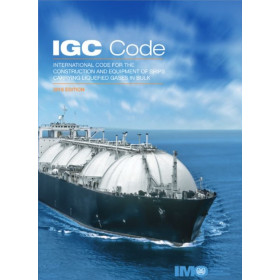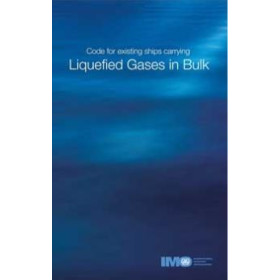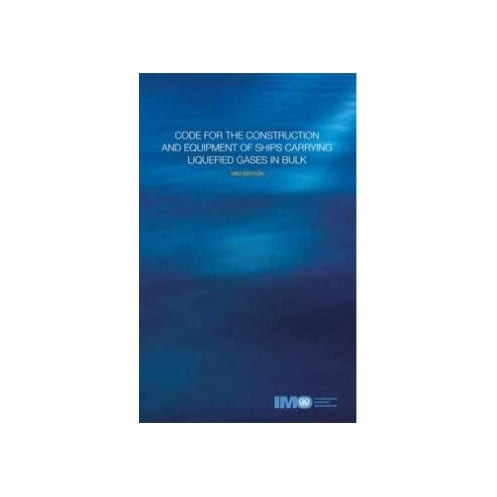


OMI - IMO782E - Code for the Construction and Equipment of Ships Carrying Liquefied Gases in Bulk (GC Code)

search
  • googlemap
  • OMI - IMO782E - Code for the Construction and Equipment of Ships Carrying Liquefied Gases in Bulk (GC Code)

IMO - 782E - Code for the Construction and Equipment of Ships Carrying Liquefied Gases in Bulk (GC Code)

€30.60
Tax included
OMI
In English language
Estimated preparation time: 5 to 14 days

The GC Code sets safety and construction standards for ships carrying liquefied gases in bulk. This 1983 edition applies to vessels built between 1976 and 1986, with key amendments for compliance.

IMO782E

Data sheet

What is the size?
paper medium
Picto
In English language

Specific References

UPC
400000002798
EAN13
4000000010111
New
Description détaillée

IMO GC Code – Construction and Equipment of Ships Carrying Liquefied Gases in Bulk

Publication in English
Printed version

An International Standard for Safe Maritime Transport of Liquefied Gases

The IMO GC Code sets the benchmark for the safe bulk transport of liquefied gases and other hazardous substances at sea. Developed by the International Maritime Organization, this essential regulation ensures that ships carrying these volatile cargoes meet rigorous safety standards, protecting vessels, crews, and the marine environment from potential risks. By defining precise construction and equipment requirements, the GC Code establishes a framework that enhances operational safety and compliance across the global shipping industry.

Comprehensive Guidelines for Ship Design and Equipment

This publication provides detailed technical guidelines for the construction and outfitting of gas carriers, covering structural integrity, cargo containment systems, and safety equipment. It addresses critical aspects such as hull design, insulation, pressure control, and emergency response measures, ensuring that vessels are built to withstand the unique challenges of transporting liquefied gases. The code also specifies operational protocols to minimize risks during loading, transit, and unloading, making it an indispensable resource for naval architects, shipbuilders, and maritime safety inspectors.

Applicability and Regulatory Compliance

The GC Code applies to gas carriers constructed between December 31, 1976, and July 1, 1986, providing a clear regulatory framework for vessels built during this period. This 1983 edition incorporates amendments 1 to 4, including updates adopted in 1994 under resolution MSC.32(63), which entered into force on July 1, 1998. These revisions reflect evolving industry standards and technological advancements, ensuring that the code remains relevant and effective in addressing modern maritime safety challenges.

A Must-Have Reference for Maritime Professionals

Designed for professionals in the merchant marine sector, this printed edition serves as a vital reference for shipowners, classification societies, port authorities, and regulatory bodies. It offers clear, actionable guidance for ensuring compliance with international maritime safety regulations, reducing operational risks, and maintaining the highest standards of vessel integrity. Whether used for design validation, safety inspections, or crew training, the GC Code is an essential tool for anyone involved in the transport of liquefied gases by sea.

Enhanced with Supplementary Materials

In addition to the core regulations, this publication includes a supplement summarizing the minimum requirements of the GC Code, providing a quick-reference guide for key compliance points. It also features the 1994 amendments, ensuring that users have access to the latest regulatory updates. This comprehensive approach makes the code not only a regulatory document but also a practical resource for day-to-day maritime operations.

Ensure Compliance and Safety with the IMO GC Code for Gas Carriers
The IMO GC Code is the definitive international standard for the construction and equipment of ships transporting liquefied gases in bulk, setting the foundation for safe and efficient maritime operations. This essential publication provides a structured framework to minimize risks associated with the transport of hazardous cargoes, ensuring that vessels, crews, and the environment are protected against potential hazards. By adhering to the guidelines outlined in this code, maritime professionals can achieve regulatory compliance while enhancing operational safety and reliability.

Designed for Gas Carriers Built Between 1976 and 1986
This 1983 edition of the GC Code is specifically tailored for gas carriers constructed from December 31, 1976, to July 1, 1986, offering precise technical specifications for ship design, construction, and equipment. It incorporates amendments 1 to 4, including critical updates from the 1994 resolution MSC.32(63), which became effective on July 1, 1998. These revisions reflect the latest advancements in maritime safety, ensuring that vessels remain compliant with evolving industry standards and best practices.

Comprehensive Coverage of Structural and Operational Requirements
The GC Code addresses every aspect of gas carrier safety, from hull integrity and cargo containment systems to pressure control and emergency response protocols. It provides detailed guidelines for insulation, ventilation, fire protection, and instrumentation, ensuring that vessels are equipped to handle the unique challenges of transporting liquefied gases. By following these specifications, shipbuilders and operators can mitigate risks, prevent accidents, and maintain the highest levels of safety during all phases of operation.

An Indispensable Resource for Maritime Safety and Compliance
Weighing just 1.8 kg, this printed edition is a practical and portable reference for maritime professionals, including naval architects, shipowners, classification societies, and regulatory authorities. It serves as a vital tool for verifying compliance, conducting safety inspections, and training crews on best practices for gas carrier operations. With its clear and concise guidelines, the GC Code helps ensure that vessels meet international safety standards while minimizing environmental and operational risks.

This printed edition of the IMO GC Code provides a comprehensive set of technical guidelines for the construction and equipment of gas carriers, ensuring compliance with international maritime safety standards. Published in 1983, it applies to vessels built between December 31, 1976, and July 1, 1986, and includes amendments 1 to 4, along with the 1994 updates from resolution MSC.32(63). The publication is available in English, weighs 1.8 kg, and serves as an essential reference for professionals in the maritime industry.

The International Maritime Organization (IMO) is the United Nations' specialized agency responsible for regulating international shipping. Established in 1948, the IMO develops and maintains a comprehensive framework of global maritime standards, focusing on safety, security, and environmental protection. Its publications, including the GC Code, are recognized as the benchmark for maritime regulations, ensuring consistency and compliance across the shipping industry.

  • The IMO GC Code offers unparalleled guidance for the safe transport of liquefied gases, providing detailed technical specifications that enhance vessel safety and operational efficiency.
  • Its comprehensive coverage of construction, equipment, and emergency protocols ensures compliance with international regulations while minimizing risks to crews and the environment.
  • As a trusted reference for maritime professionals, it supports regulatory adherence, safety inspections, and crew training, making it an indispensable tool for the gas carrier industry.
What types of ships does this code apply to?

This code applies to ships constructed from December 31, 1976, but before July 1, 1986, specifically designed for carrying liquefied gases in bulk.

Are there any amendments included in this 1983 edition?

Yes, this edition incorporates amendments 1 to 4, including those adopted in 1994 by resolution MSC.32(63), which came into force on July 1, 1998.

What is the weight of the printed version?

The printed version weighs 1.8 kg.

Is this code available in languages other than English?

No, this edition is only available in English.

Does this edition include any supplementary guidelines?

Yes, it includes a supplement summarizing the minimum requirements of the code and additional guidelines adopted in 1994.

Is a digital version of this code available?

Yes, a digital version is available, but it is locked and requires the free IMO e-reader for access.

Loading...