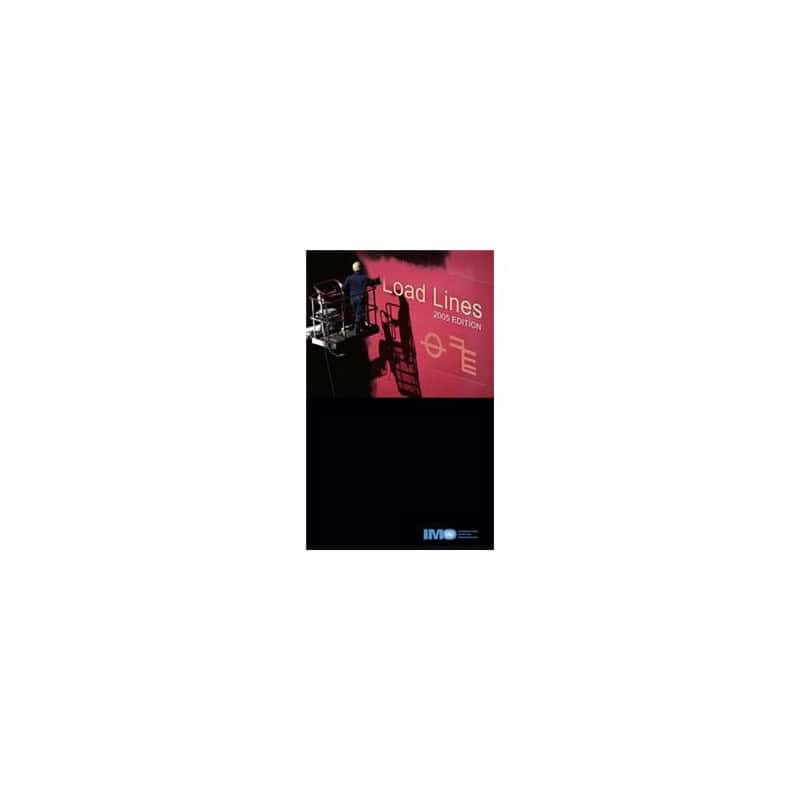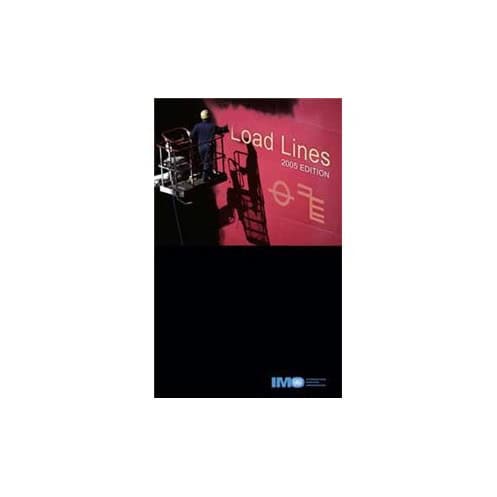




The 2021 consolidated edition of the International Load Lines Convention (1966) delivers updated regulations, unified interpretations, and load line markings for maritime safety and compliance.
Data sheet
Specific References
The IMO - 701E is the definitive reference for maritime professionals navigating the complexities of load line regulations. This 2021 consolidated edition of the International Convention on Load Lines, 1966, integrates all amendments up to 2021, including the 1988 Protocol and subsequent updates. Designed for shipowners, naval architects, surveyors, and flag state authorities, this publication ensures compliance with international standards for vessel safety and operational efficiency. With unified interpretations from the Maritime Safety Committee, it provides clarity on minimum freeboard calculations, maximum draft limits, and load line markings—critical factors in preventing overloading and ensuring structural integrity in diverse maritime conditions.
This edition consolidates decades of regulatory evolution into a single, authoritative source. The 1966 Convention, a cornerstone of maritime safety, established uniform rules for load line assignments to prevent overloading—a leading cause of maritime casualties. The 1988 Protocol introduced harmonized survey and certification systems, aligning load line regulations with SOLAS and MARPOL conventions. Subsequent amendments in 2003 and 2004 refined technical standards, addressing advancements in ship design and operational practices. By incorporating these updates, the IMO - 701E ensures that vessels meet contemporary safety requirements while maintaining compatibility with both original and amended convention frameworks. It is an indispensable tool for verifying compliance with national and international maritime authorities.
Beyond its regulatory content, the IMO - 701E serves as a practical guide for applying load line principles in real-world scenarios. The publication includes detailed regulations for calculating minimum freeboard, accounting for factors such as ship type, structural strength, and intended service. Load line markings—Plimsoll lines—are clearly defined, enabling crews to monitor draft limits and avoid hazardous overloading. The softcover A5 format (approximately 150 pages) ensures portability, making it ideal for onboard use, office reference, or training purposes. Whether for newbuild compliance, periodic surveys, or operational planning, this edition provides the technical precision required to uphold safety standards across global fleets.
Flag states and classification societies rely on the IMO - 701E to harmonize national regulations with international conventions. The consolidated text includes all approved unified interpretations, eliminating ambiguities in enforcement and reducing discrepancies between jurisdictions. For vessels operating under the original 1966 Convention or the 1988 Protocol, this edition offers a seamless transition path, ensuring continuity in certification and survey processes. Its availability in English— the lingua franca of maritime communication—further enhances its utility for multinational crews, port state control officers, and regulatory bodies worldwide.
Your Compliance Partner for Load Line Regulations
Stay ahead of maritime safety standards with the IMO - 701E, the 2021 consolidated edition of the International Convention on Load Lines. This publication is not just a regulatory document—it’s a critical tool for ensuring vessel safety, operational efficiency, and legal compliance in global shipping. Updated to include the 1988 Protocol and all amendments through 2021, it provides the most current framework for calculating minimum freeboard, determining maximum draft, and applying load line markings. Whether you’re a shipowner, naval architect, or surveyor, this edition equips you with the technical precision needed to navigate complex maritime regulations with confidence.
Built for Professionals, Designed for Clarity
The IMO - 701E consolidates over five decades of regulatory advancements into a single, authoritative source. The 1966 Convention established foundational rules to prevent overloading, while the 1988 Protocol introduced harmonized survey and certification systems. Subsequent amendments in 2003 and 2004 refined these standards to align with modern ship design and operational practices. This edition integrates all these updates, along with unified interpretations from the Maritime Safety Committee, ensuring that you have the most accurate and actionable guidance. The softcover A5 format (150 pages) is lightweight (1.8 kg) and portable, making it ideal for both office reference and onboard use.
Global Standards, Local Application
Designed for universal applicability, the IMO - 701E supports compliance with both the original 1966 Convention and the 1988 Protocol, making it suitable for vessels registered under either framework. Its English-language text ensures accessibility for multinational crews, port state control officers, and regulatory authorities worldwide. The publication’s detailed regulations for freeboard calculation and load line markings provide the technical clarity needed to avoid overloading—a leading cause of maritime casualties. By adhering to these standards, you not only enhance vessel safety but also streamline certification processes and reduce the risk of port state detentions.
The IMO - 701E is a 150-page paperback publication in A5 format, weighing 1.8 kg. This 2021 edition consolidates the International Convention on Load Lines, 1966, including the 1988 Protocol and all amendments up to 2021. It features unified interpretations from the Maritime Safety Committee, detailed regulations for freeboard calculation, and load line marking standards. Available exclusively in English, it is designed for professional use in maritime compliance and operational planning.
With decades of expertise in maritime publications, this provider delivers authoritative resources that bridge the gap between international regulations and practical application. Their catalog includes essential references for compliance, safety, and operational efficiency, trusted by professionals across the global shipping industry. Each publication is meticulously updated to reflect the latest amendments, ensuring accuracy and reliability for maritime stakeholders worldwide.
It establishes regulations for determining the minimum freeboard and maximum draft of seagoing ships, ensuring safety by preventing overloading.
It includes the 1988 Protocol, 2003 and 2004 amendments, and unified interpretations approved by the Maritime Safety Committee up to 2021.
The digital version is locked and only compatible with the free official e-reader provided.
The paperback version is in A5 format, approximately 5.8 x 8.3 inches.
It applies to states party to the original or amended convention; verification with national authorities is recommended.
It contains the consolidated convention text, protocol articles, and unified interpretations for load line calculations.
You might also like