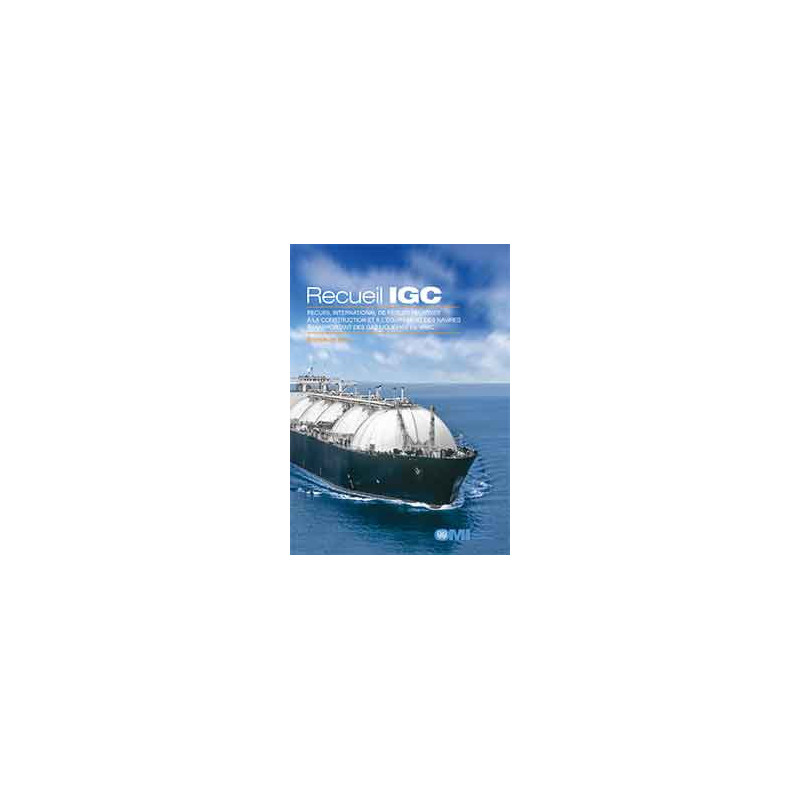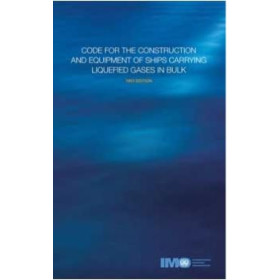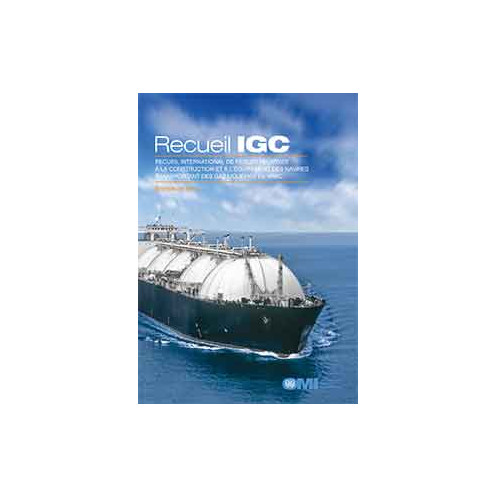




This French code sets mandatory safety standards for ships carrying liquefied gases in bulk. Ensures SOLAS Chapter VII compliance through rigorous design and equipment rules.
Data sheet
Specific References
The International Code for the Construction and Equipment of Ships Carrying Liquefied Gases in Bulk (IGC Code) is the cornerstone of maritime safety for vessels transporting liquefied gases. Published by the International Maritime Organization (IMO), this code establishes rigorous international standards to ensure the secure transport of liquefied gases and specific substances listed in Chapter 19. Designed to mitigate risks to ships, crews, and the environment, the IGC Code addresses the unique challenges posed by the nature of these hazardous cargoes. Mandatory under Chapter VII of the SOLAS Convention since July 1, 1986, this code applies to all gas carriers with a vapor pressure exceeding 2.8 bar absolute at 37.8°C, regardless of their tonnage.
This publication provides an exhaustive framework for the design, construction, and equipment of gas carriers, ensuring compliance with the highest safety standards. It covers critical aspects such as cargo containment systems, structural integrity, and operational procedures to prevent incidents like cargo tank damage, uncontrolled product release, or brittle fracture of the hull. The IGC Code also addresses the risks associated with cryogenic or pressurized transport conditions, offering guidelines to manage evaporation, dispersion, and other potential hazards. By adhering to these standards, shipowners and operators can significantly reduce the likelihood of accidents, protecting both human life and the marine environment.
The IGC Code is not just a recommendation—it is a legal requirement for all gas carriers built after July 1, 1986, as well as for certain vessels constructed between October 31, 1976, and July 1, 1986, under the Gas Carrier (GC) Code. For ships operating before these dates, the Existing Gas Carrier (EGC) Code applies. This universal applicability ensures that all gas carriers, regardless of size or age, meet consistent safety benchmarks. The latest amendments, including MSC.370(93) effective July 1, 2016, further refine these standards, incorporating advancements in technology and industry best practices to enhance safety and operational efficiency.
Tailored for professionals in the merchant marine industry, this publication is an indispensable tool for naval architects, shipbuilders, surveyors, and crew members involved in the transport of liquefied gases. It serves as a reference for compliance verification, safety inspections, and operational planning, ensuring that all stakeholders adhere to international regulations. Whether for new constructions or retrofitting existing vessels, the IGC Code provides the technical guidance needed to navigate the complexities of gas transportation safely and efficiently.
Your Go-To Reference for Gas Carrier Safety and Compliance
The International Code for the Construction and Equipment of Ships Carrying Liquefied Gases in Bulk (IGC Code) is the definitive guide for ensuring the safe transport of liquefied gases by sea. This printed publication, available in French, delivers the latest international safety standards mandated by the SOLAS Convention. It is designed to address the unique risks associated with gas transportation, including cargo containment failures, uncontrolled releases, and structural vulnerabilities. With its comprehensive coverage of design, construction, and operational requirements, this code is a must-have for professionals committed to maritime safety and regulatory compliance.
Engineered for Maximum Safety and Reliability
This code outlines stringent requirements for gas carriers, focusing on critical safety aspects such as cargo tank integrity, structural resilience, and hazard mitigation. It applies to vessels transporting liquefied gases with a vapor pressure exceeding 2.8 bar absolute at 37.8°C, ensuring that even the most volatile cargoes are handled with the highest level of care. The IGC Code also addresses the challenges of cryogenic and pressurized transport, providing guidelines to manage risks like evaporation, dispersion, and brittle fracture. By adhering to these standards, shipowners can minimize operational risks and enhance the safety of their vessels, crews, and the environment.
Universal Application for All Gas Carriers
Since its mandatory implementation on July 1, 1986, the IGC Code has set the benchmark for gas carrier safety worldwide. It applies to all vessels, regardless of size, including those under 500 gross tonnage, ensuring consistent safety standards across the industry. The code also covers vessels built under earlier regulations, such as the Gas Carrier (GC) Code for ships constructed between October 31, 1976, and July 1, 1986, and the Existing Gas Carrier (EGC) Code for older vessels. The latest amendments, including MSC.370(93) effective July 2016, reflect ongoing advancements in technology and industry practices, making this publication an up-to-date resource for maritime professionals.
Designed for Maritime Industry Experts
This publication is tailored for professionals who demand precision and reliability in their work. Whether you are a naval architect, shipbuilder, surveyor, or crew member, the IGC Code provides the technical guidance needed to ensure compliance with international regulations. It serves as a critical reference for safety inspections, operational planning, and risk assessment, helping industry experts navigate the complexities of gas transportation with confidence. With 200 pages of detailed standards and guidelines, this printed edition is an essential tool for anyone involved in the design, construction, or operation of gas carriers.
The International Code for the Construction and Equipment of Ships Carrying Liquefied Gases in Bulk (IGC Code) is a printed publication in French, weighing 1.8 kg and spanning 200 pages. Published in June 2016, this edition incorporates the latest amendments, including MSC.370(93), which became effective on July 1, 2016. The code applies to gas carriers with a vapor pressure exceeding 2.8 bar absolute at 37.8°C and is mandatory under the SOLAS Convention for all vessels built after July 1, 1986, regardless of tonnage.
With a legacy of setting global maritime safety standards, this organization is a leading authority in the development of regulations for the shipping industry. Its publications are recognized worldwide for their technical rigor and commitment to enhancing safety, security, and environmental protection in maritime operations. Trusted by professionals across the industry, its codes and guidelines are essential tools for ensuring compliance and operational excellence.
The code applies to gases with a vapor pressure exceeding 2.8 bar absolute at a temperature of 37.8°C.
Yes, it applies to ships regardless of size, including those under 500 gross tonnage.
It covers both cryogenic (refrigerated) and pressurized transport conditions.
It became mandatory under SOLAS Chapter VII on July 1, 1986.
It addresses risks such as cargo tank damage, uncontrolled product release, evaporation, dispersion, and brittle fracture of the hull.
This 2016 edition includes the latest amendments, specifically MSC.370(93), effective July 1, 2016.
You might also like