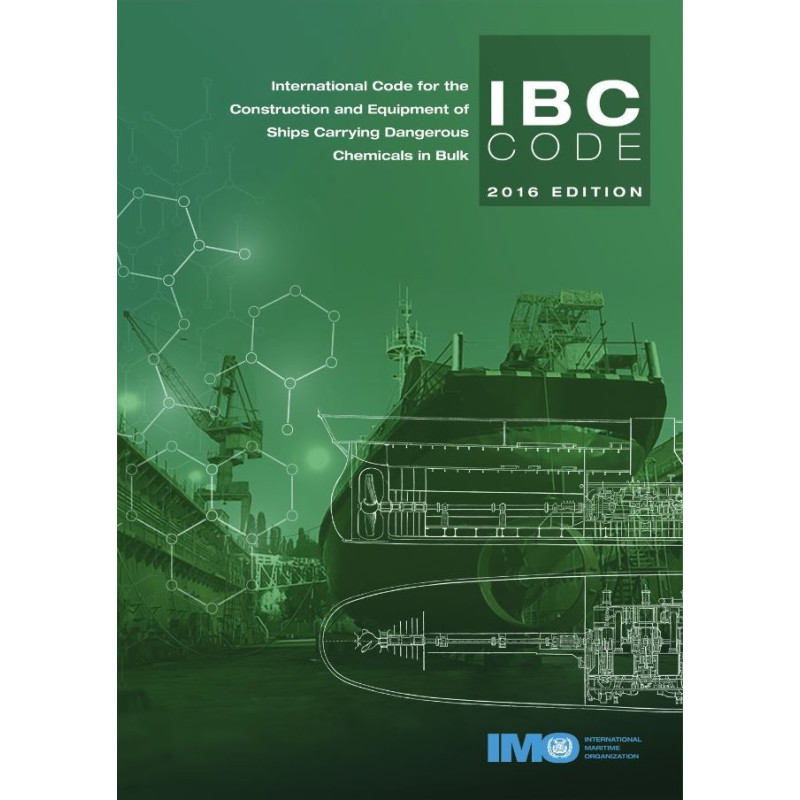




The 2020 IBC Code sets global standards for safe transport of hazardous chemicals in bulk. Includes construction, equipment, and safety measures to protect vessels, crews, and the environment.
Data sheet
Specific References
The International Code for the Construction and Equipment of Ships Carrying Dangerous Chemicals in Bulk (IBC Code) is the definitive global standard for ensuring the safe maritime transport of hazardous chemicals and noxious liquid substances in bulk. Developed by the International Maritime Organization (IMO), this code establishes rigorous design, construction, and equipment requirements for chemical tankers, safeguarding vessels, crews, and the marine environment from the inherent risks of transporting these materials. By setting internationally recognized benchmarks, the IBC Code plays a critical role in harmonizing safety practices across the shipping industry, ensuring that vessels meet the highest standards of operational integrity and environmental protection.
This publication provides an exhaustive framework for the construction and outfitting of chemical tankers, addressing every aspect of vessel design that impacts safety and environmental protection. It outlines specific criteria for ship types based on the severity of risks posed by the chemicals being transported, ranging from Type 1 vessels—designed for the most hazardous substances requiring maximum preventive measures—to Type 3 vessels, which handle substances with moderate risks. The code also mandates the installation of specialized equipment tailored to the nature of the cargo, ensuring that potential hazards are effectively mitigated. By adhering to these guidelines, shipowners and operators can minimize the risk of accidents, spills, and other incidents that could endanger lives and ecosystems.
The IBC Code is a living document, regularly updated to reflect advancements in technology, emerging safety concerns, and evolving regulatory landscapes. The 2020 edition incorporates the latest amendments, including resolutions MEPC.302(72), MSC.440(99), MEPC.318(74), and MSC.460(101), which came into force in recent years. These updates include a comprehensive revision of product information in Chapters 17 and 18, ensuring that the code remains aligned with current industry practices and scientific understanding. This edition is effective as of January 1, 2021, making it the most up-to-date reference for professionals involved in the design, construction, and operation of chemical tankers.
This publication is an indispensable resource for a wide range of maritime professionals, including naval architects, shipbuilders, classification societies, maritime regulators, and ship operators. It provides the technical foundation needed to design and construct chemical tankers that comply with international safety and environmental standards. Additionally, it serves as a critical reference for port state control inspectors, surveyors, and other stakeholders responsible for verifying compliance with maritime regulations. By offering clear, actionable guidelines, the IBC Code ensures that all parties involved in the transport of hazardous chemicals in bulk can fulfill their roles with confidence and precision.
The IBC Code is not just a regulatory requirement—it is a cornerstone of global maritime safety. Its provisions apply to chemical tankers constructed after July 1, 1986, and it works in tandem with the Bulk Chemical (BCH) Code, which governs vessels built before that date. By standardizing safety practices across the industry, the code facilitates international trade while minimizing the risks associated with transporting hazardous materials. Its adoption by flag states, port authorities, and shipping companies worldwide underscores its importance in promoting a safer, more sustainable maritime sector.
Your Go-To Reference for Chemical Tanker Safety and Compliance
The International Code for the Construction and Equipment of Ships Carrying Dangerous Chemicals in Bulk (IBC Code) is the authoritative guide for ensuring the safe and compliant transport of hazardous chemicals by sea. Published by the International Maritime Organization (IMO), this 2020 edition is the latest and most comprehensive version of the code, incorporating critical updates and amendments that reflect the evolving demands of the maritime industry. Weighing 1.8 kg, this printed publication is an essential tool for professionals who require immediate access to up-to-date regulatory standards without relying on digital devices.
Designed for Maximum Safety and Environmental Protection
At the heart of the IBC Code is a robust framework that categorizes chemical tankers into three types—Type 1, Type 2, and Type 3—based on the severity of risks posed by the chemicals they transport. Type 1 vessels, designed for the most hazardous substances, must adhere to the strictest construction standards, including maximum preventive measures to prevent cargo escape and ensure survival in the most severe damage scenarios. The code also prescribes specific equipment requirements tailored to the nature of the cargo, ensuring that every vessel is equipped to handle potential emergencies effectively. By following these guidelines, shipowners and operators can significantly reduce the risk of accidents, spills, and environmental harm.
Updated to Reflect the Latest Industry Standards
This 2020 edition of the IBC Code is not just a reprint—it is a thoroughly updated resource that incorporates the latest amendments, including resolutions MEPC.302(72), MSC.440(99), MEPC.318(74), and MSC.460(101). These updates, which came into force in 2020 and 2021, include a complete revision of the product information in Chapters 17 and 18, ensuring that the code remains aligned with current scientific knowledge and industry best practices. Whether you are designing a new vessel or ensuring compliance for an existing one, this edition provides the most accurate and relevant information available.
Built for Professionals Who Demand Precision and Reliability
This publication is tailored for maritime professionals who require a reliable, offline reference to navigate the complexities of chemical transport regulations. From naval architects and shipbuilders to classification societies and maritime regulators, the IBC Code offers the technical depth and clarity needed to design, construct, and operate chemical tankers that meet international safety standards. Its printed format ensures that critical information is always accessible, even in environments where digital devices may not be practical or permitted. With this code in hand, professionals can confidently ensure compliance, enhance safety, and protect the marine environment.
The International Code for the Construction and Equipment of Ships Carrying Dangerous Chemicals in Bulk (IBC Code) is a printed publication in English, weighing 1.8 kg. This 2020 edition integrates the latest amendments, including resolutions MEPC.302(72), MSC.440(99), MEPC.318(74), and MSC.460(101), with a comprehensive revision of product information in Chapters 17 and 18, effective as of January 1, 2021. The code applies to chemical tankers constructed after July 1, 1986, and categorizes vessels into Type 1, Type 2, and Type 3 based on the severity of risks associated with the chemicals they transport.
With a legacy of setting global maritime standards, the publisher of this code is a leading authority in the development of regulations that enhance safety, security, and environmental protection in the shipping industry. Their publications are trusted by maritime professionals worldwide, providing the technical foundation needed to ensure compliance with international conventions and best practices. This commitment to excellence makes their resources indispensable for anyone involved in the design, construction, or operation of commercial vessels.
This code applies to chemical tankers constructed after July 1, 1986, ensuring their design and equipment meet international safety standards for carrying dangerous chemicals in bulk.
Type 1 ships handle chemicals with the highest environmental and safety risks, requiring maximum preventive measures and survival standards. Type 2 ships address notably severe risks with significant preventive measures, while Type 3 ships manage sufficiently severe risks with moderate confinement for damage survival.
The 2020 edition incorporates amendments from resolutions MEPC.302(72), MSC.440(99), MEPC.318(74), and MSC.460(101), effective as of January 1, 2021, with updates to product information in chapters 17 and 18.
Yes, a digital version is available, which is locked and readable using the free reader provided.
The printed version weighs 1.8 kg.
No, ships constructed before July 1, 1986, are subject to the BCH Code instead.
You might also like