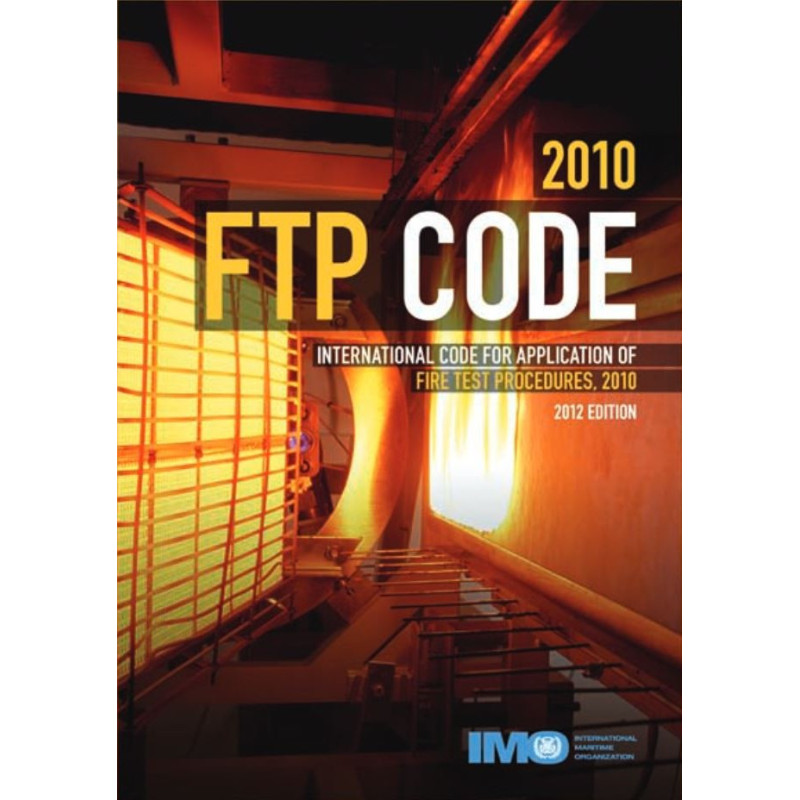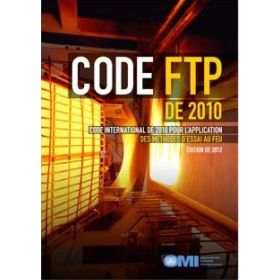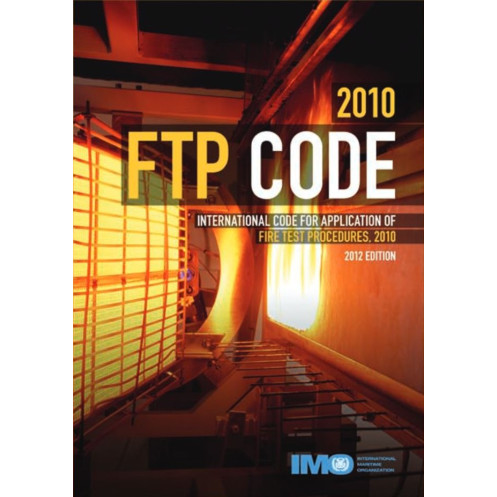



The 2010 FTP Code sets global maritime fire safety standards, covering mandatory tests, approvals, and fire test procedures for SOLAS Chapter II-2 products. Ensure compliance with confidence.
Data sheet
Specific References
The IMO International Code for Application of Fire Test Procedures 2010 (FTP) stands as the definitive global benchmark for fire safety in the maritime industry. This official publication, adopted by the International Maritime Organization (IMO), establishes rigorous international requirements for laboratory testing, type approval procedures, and fire tests for materials and products referenced in SOLAS Chapter II-2. Mandatory since July 1, 2012, this code ensures that vessels worldwide adhere to the highest fire safety standards, protecting lives, cargo, and maritime infrastructure.
Designed for naval architects, shipbuilders, classification societies, and maritime safety inspectors, this code delivers a complete framework for evaluating fire performance across critical vessel components. It covers an extensive range of tests, including non-combustibility assessments, smoke and toxicity evaluations, and fire resistance ratings for Class A, B, and F divisions. The publication also addresses specialized testing for fire door control systems, surface flammability of deck coverings, vertically supported textiles, upholstered furniture, bedding components, and fire-resistant materials for high-speed craft. By standardizing these procedures, the FTP Code enables consistent, reliable fire safety assessments across the global maritime fleet.
This 2012 edition represents a significant revision of the 1996 code, incorporating the latest advancements in fire safety technology and aligning with contemporary SOLAS amendments. The updated procedures reflect evolving industry needs, particularly for high-speed vessels and modern construction materials. Maritime professionals rely on this code to ensure compliance with international regulations while implementing cutting-edge fire protection solutions. Whether certifying new vessel designs or retrofitting existing ships, this publication provides the technical foundation for making informed safety decisions.
As an official IMO publication, this code carries the authority of the United Nations' specialized agency for maritime affairs. Its adoption by flag states worldwide makes it an indispensable reference for any organization involved in vessel construction, certification, or operation. The paperback edition offers maritime professionals a durable, portable format for daily use in shipyards, design offices, and onboard vessels. With regular supplements and corrigenda available, users can maintain compliance with the latest regulatory updates, ensuring their fire safety practices remain at the forefront of maritime industry standards.
Strengthening Maritime Fire Safety Through International Standards
The IMO International Code for Application of Fire Test Procedures 2010 (FTP) represents the gold standard for fire safety compliance in the global maritime industry. As the official implementation framework for SOLAS Chapter II-2 requirements, this code establishes uniform testing protocols that ensure consistent fire safety performance across international waters. Mandatory since July 2012, it provides the technical foundation for evaluating everything from structural fire protection to interior furnishings, making it indispensable for vessel designers, builders, and safety inspectors.
Comprehensive Testing Protocols for Modern Vessel Design
This authoritative publication encompasses a complete suite of fire test procedures critical to maritime safety. The code specifies detailed methodologies for assessing non-combustibility, smoke generation, and toxicity levels of materials used in vessel construction. It establishes rigorous standards for fire-resistant divisions (Class A, B, and F), fire door control systems, and surface flammability of deck coverings. Specialized testing protocols address the unique fire safety challenges of high-speed craft, including dedicated procedures for fire-resistant materials and structural divisions specific to these vessels.
Updated Standards Reflecting Industry Evolution
The 2012 edition marks a significant advancement from the 1996 code, incorporating the latest fire safety research and technological developments. This comprehensive revision addresses emerging materials and construction techniques while maintaining compatibility with existing SOLAS requirements. The code's adoption of updated testing methodologies ensures that maritime professionals can evaluate modern materials and systems with confidence, supporting innovation while maintaining the highest safety standards.
Practical Implementation for Maritime Professionals
Designed for real-world application, this paperback edition provides maritime professionals with a durable, portable reference for daily use. The publication's clear organization and detailed procedures facilitate efficient compliance verification during vessel design, construction, and inspection processes. With regular updates and corrigenda available, users can maintain compliance with evolving regulations, ensuring their fire safety practices remain current with international standards. The code's comprehensive scope makes it an essential tool for achieving and demonstrating compliance with SOLAS fire safety requirements.
This official IMO publication (edition 2012) presents the 2010 International Code for Application of Fire Test Procedures in a comprehensive paperback format. The 2 lb manual provides maritime professionals with the complete set of fire testing protocols, including non-combustibility assessments, smoke and toxicity evaluations, and fire resistance standards for vessel components. Available exclusively in English, this reference includes all mandatory testing procedures that entered into force on July 1, 2012, under SOLAS Chapter II-2 requirements.
With over seven decades of experience in maritime safety publications, this organization serves as the United Nations' specialized agency for international shipping regulations. Their publications establish the global standards for maritime safety, security, and environmental protection, shaping the regulatory framework that governs the world's merchant fleet. Recognized by flag states and maritime authorities worldwide, their technical codes and conventions provide the authoritative reference for compliance with international maritime law.
The code includes tests for non-combustibility, smoke and toxicity, fire-resistant divisions (Class A, B, and F), fire door control systems, surface flammability (surface materials and deck coverings), vertically supported textiles and films, upholstered furniture, bedding components, fire-resistant materials for high-speed craft, and fire-resistant divisions for high-speed craft.
The digital version is compatible with Windows-based electronic reading software and is accessible on a single computer or laptop only.
The code includes available supplements and corrigenda up to December 2019, April 2017, and March 2015, but future updates may require separate access.
The printed version weighs approximately 2 lb.
Yes, the digital version requires the IMO Bookshelf reader, which is available for free.
The code entered into force on July 1, 2012.
No, the digital version is licensed for access on a single computer or laptop only.
You might also like