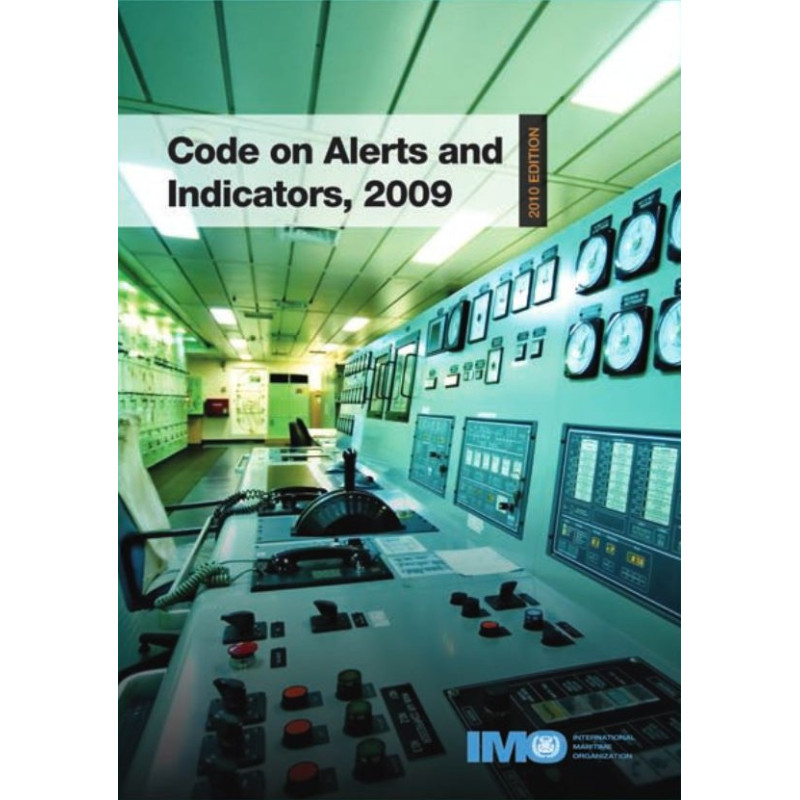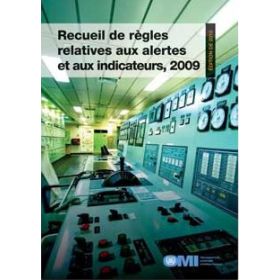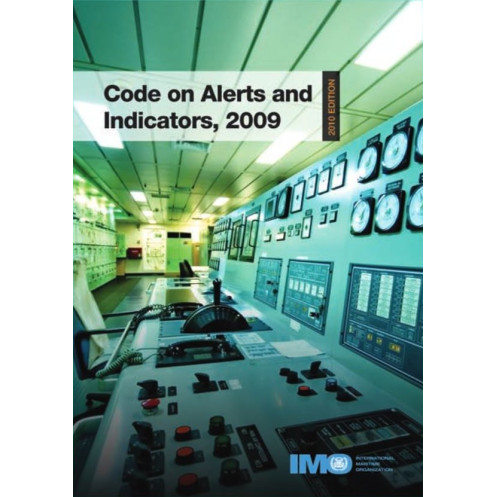




Ensure compliance with SOLAS and MARPOL using the 2009 Code on Alerts and Indicators. This guide standardizes design, prioritization, and placement of alerts for maritime safety and uniformity.
Data sheet
Specific References
Streamline Vessel Safety Compliance with the *Code on Alerts and Indicators 2009*
Navigating the complexities of maritime safety regulations demands precision—and the *Code on Alerts and Indicators 2009* delivers just that. This authoritative publication consolidates essential guidelines for the design, prioritization, and placement of alerts and indicators aboard ships, ensuring alignment with SOLAS, MARPOL, and other critical conventions. By replacing the outdated 1995 code, it introduces updated standards for colors, symbols, and performance, making it a must-have for professionals tasked with maintaining compliant and efficient safety systems.
Engineered for Clarity and Consistency
With 64 pages of expertly curated content, this code addresses the challenges of uniformity in maritime safety signaling. It provides clear directives on the aggregation, grouping, and location of alerts, eliminating guesswork for naval architects, marine engineers, and safety officers. Whether you're designing new vessels or retrofitting existing systems, this resource ensures that critical warnings are intuitive, visible, and prioritized—reducing response times and mitigating risks during emergencies.
Built for the Demands of the Maritime Industry
Published in January 2010 and weighing 1.8 kg, this paperback edition is designed for durability and ease of use in shipboard environments. Its physical format ensures accessibility even in areas where digital tools may fail, making it a reliable companion for inspections, audits, and daily operations. As a cornerstone of maritime safety documentation, it empowers professionals to uphold the highest standards of compliance while enhancing onboard communication and crew preparedness.
The *Code on Alerts and Indicators 2009* is a 64-page paperback publication released in January 2010, offering comprehensive guidelines for maritime safety systems. Written in English, it provides standardized recommendations for the design, placement, and prioritization of alerts and indicators, ensuring compliance with SOLAS, MARPOL, and other international conventions. This edition supersedes the 1995 code, incorporating updated performance standards and best practices for modern vessels.
With decades of expertise in maritime safety and regulatory compliance, this organization sets the global standard for industry best practices. Its publications are trusted by naval architects, marine engineers, and safety professionals worldwide, providing clear, actionable guidance to enhance operational safety and regulatory adherence. Each document reflects a commitment to precision, consistency, and innovation in maritime safety management.
It provides guidance on alerts and indicators required by SOLAS and MARPOL conventions, as well as associated instruments and codes, ensuring uniformity in design, location, and priority.
No, the code is only available in English.
The 2009 edition updates, revises, and replaces the 1995 Code on Alarms and Indicators, consolidating references to priorities, grouping, locations, and types of alerts in a single document.
The printed version contains 64 pages.
The digital version is specifically formatted for the OMI e-reader.
The printed version weighs approximately 1.8 kg.
The official publication date is January 2010, though it is based on the 2009 edition.
You might also like