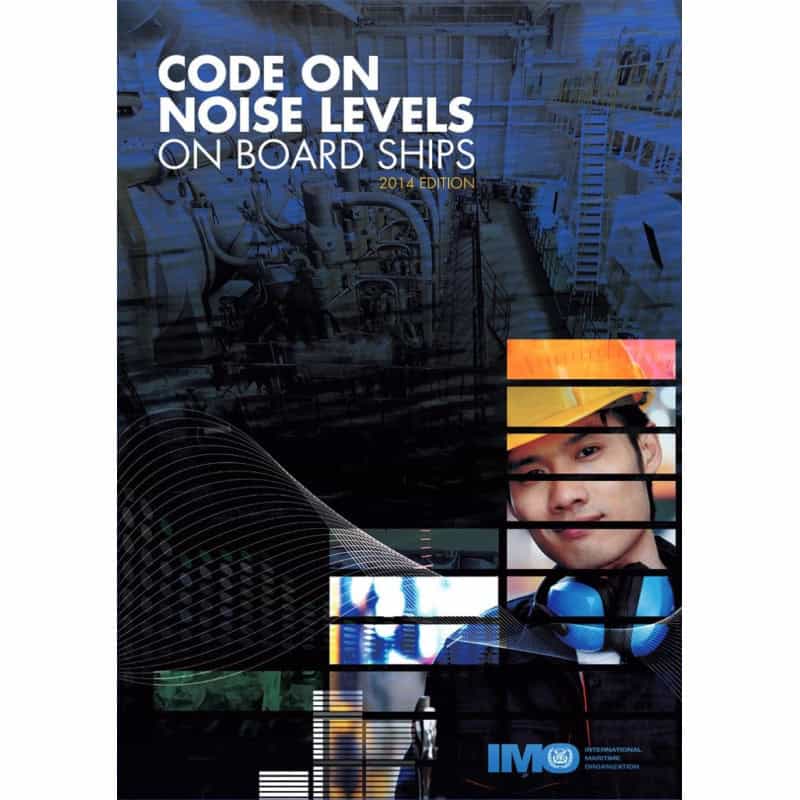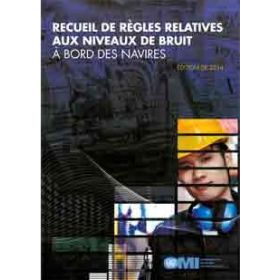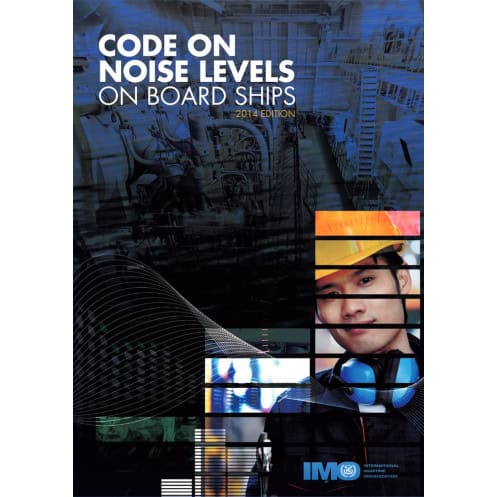



The 2014 Code on Noise Levels on Board Ships defines noise limits for vessels over 1,600 GT. Comply with SOLAS and enhance crew safety with this essential maritime standard.
Data sheet
Specific References
The IMO Code on Noise Levels on Board Ships 2014 is the definitive international standard for managing noise exposure in maritime environments. Developed under SOLAS regulation II-1/3-12, this code establishes mandatory noise level limits to protect crew members from harmful noise effects across engine rooms, control stations, workshops, accommodations, and other critical shipboard areas. Adopted through IMO resolution MSC.337(91), it applies to all new ships with a gross tonnage of 1,600 and above, ensuring safer and more compliant working conditions on board.
This code provides a structured approach to noise control, including mandatory noise level limits, risk assessment procedures, and mitigation strategies. It outlines requirements for noise surveys, personal protective equipment (PPE), and noise exposure monitoring, while also offering guidance on integrating noise management into safety management systems (SMS). The publication includes a standardized noise survey report format, recommended noise reduction methods, and a simplified procedure for evaluating noise exposure, making it an indispensable tool for ship designers, operators, and safety officers.
While the code is mandatory for new ships built after July 1, 2014, its provisions on hazardous noise levels, mitigation measures, and noise surveys can also be applied to existing vessels of similar tonnage, as well as smaller ships where feasible. This ensures a consistent approach to noise safety across the maritime industry. The code balances mandatory requirements with recommended best practices, offering flexibility while maintaining high safety standards.
Beyond regulatory compliance, the IMO Code on Noise Levels on Board Ships 2014 serves as a practical resource for maritime professionals. It includes detailed guidelines for conducting noise surveys, assessing exposure risks, and implementing effective noise control measures. The publication also provides insights into integrating noise management into broader safety protocols, helping ship operators enhance crew well-being and operational efficiency. With its clear structure and actionable recommendations, this code is a must-have for ensuring compliance and fostering a safer maritime workplace.
Ensure Compliance with International Maritime Noise Regulations
The IMO Code on Noise Levels on Board Ships 2014 is the authoritative reference for managing noise exposure in maritime operations. Developed under SOLAS regulation II-1/3-12 and adopted through resolution MSC.337(91), this code sets mandatory noise level limits for critical shipboard areas, including engine rooms, control stations, workshops, and crew accommodations. Designed for new ships with a gross tonnage of 1,600 and above, it provides a robust framework for protecting crew members from the harmful effects of excessive noise, ensuring safer and more compliant working conditions on board.
Comprehensive Noise Management for Maritime Safety
This publication offers a structured approach to noise control, featuring mandatory noise level limits, risk assessment procedures, and mitigation strategies. It includes requirements for conducting noise surveys, using personal protective equipment (PPE), and monitoring noise exposure, along with guidance on integrating noise management into safety management systems (SMS). The code also provides a standardized format for noise survey reports, recommended noise reduction methods, and a simplified procedure for evaluating noise exposure, making it an essential resource for ship designers, operators, and safety officers.
Applicability to New and Existing Vessels
While the IMO Code on Noise Levels on Board Ships 2014 is mandatory for new ships constructed after July 1, 2014, its provisions on hazardous noise levels, mitigation measures, and noise surveys can also be applied to existing vessels of similar tonnage, as well as smaller ships where practical. This ensures a consistent and adaptable approach to noise safety across the maritime industry, balancing mandatory requirements with recommended best practices to maintain high safety standards.
Practical Resource for Maritime Professionals
Beyond regulatory compliance, this code serves as a practical tool for maritime professionals, offering detailed guidelines for conducting noise surveys, assessing exposure risks, and implementing effective noise control measures. It also provides insights into integrating noise management into broader safety protocols, helping ship operators enhance crew well-being and operational efficiency. With its clear structure and actionable recommendations, the IMO Code on Noise Levels on Board Ships 2014 is indispensable for fostering a safer and more compliant maritime workplace.
The IMO Code on Noise Levels on Board Ships 2014 is a 62-page printed publication in English, measuring 210 mm in height and 150 mm in width, with a weight of 1.8 kg. Published in 2014, it is based on IMO resolution MSC.337(91) and aligns with SOLAS regulation II-1/3-12. The code applies to new ships with a gross tonnage of 1,600 and above, constructed after July 1, 2014, and includes guidelines for noise surveys, mitigation strategies, and safety management integration.
With a long-standing commitment to maritime safety and regulatory excellence, this publisher is a leading authority in developing international standards for the shipping industry. Their publications provide essential guidance for compliance, operational efficiency, and crew well-being, ensuring that maritime professionals have access to the most up-to-date and reliable resources for safe and sustainable operations.
This code applies to new ships with a gross tonnage of 1,600 and above, constructed after July 1, 2014. It may also include provisions for existing ships of the same tonnage and smaller vessels where practicable.
Yes, the code sets mandatory noise level limits for engine rooms, control rooms, workshops, accommodation spaces, and other areas on board ships.
Yes, it provides suggested methods for noise mitigation, as well as recommendations for integrating noise-related considerations into safety management systems.
Yes, the code includes a standardized format for noise survey reports to ensure consistent documentation and assessment.
It offers a streamlined approach to evaluate noise exposure levels on board, making it easier to assess compliance with the established limits.
While primarily applicable to new ships, certain provisions regarding hazardous noise levels, mitigation, and personal protective equipment may be applied to existing ships where reasonable.
The digital version is locked and can only be read using the free e-reader provided by the publisher.
You might also like