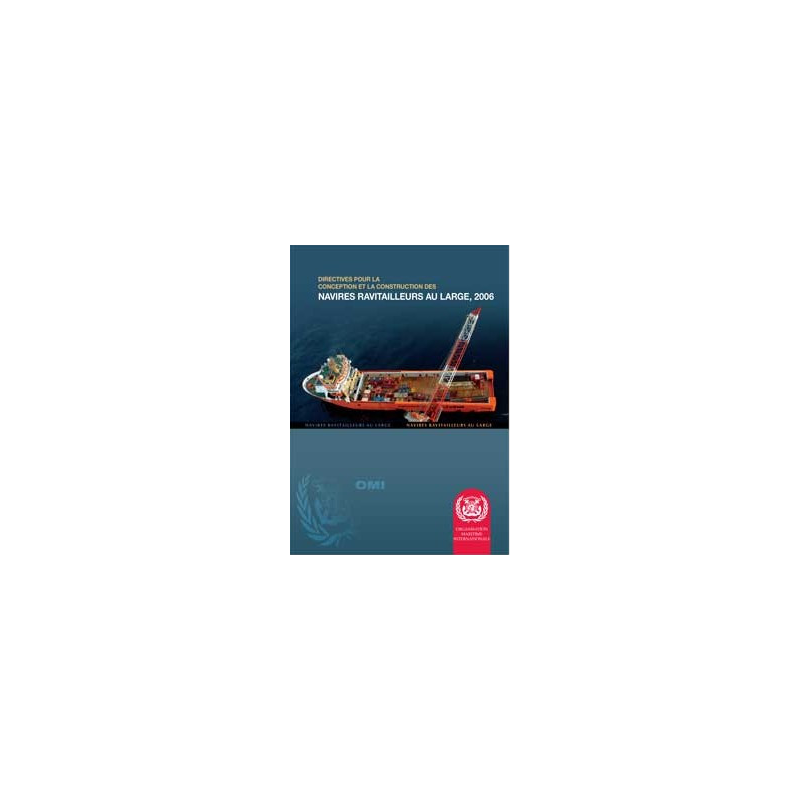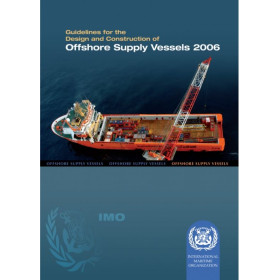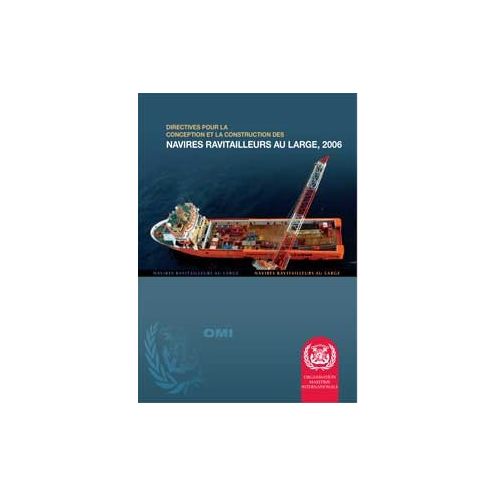


OMI - IMO807F - Directives pour la conception et la construction des navires ravitailleurs au large 2006
search
  • googlemap
  • OMI - IMO807F - Directives pour la conception et la construction des navires ravitailleurs au large 2006

OMI - 807F - Directives pour la conception et la construction des navires ravitailleurs au large 2006

€30.60
Tax included
OMI
In French language
Estimated preparation time: 5 to 14 days

Essential 2006 guidelines for designing and constructing offshore supply vessels, ensuring safety and compliance with SOLAS and IS Code standards. French edition.

IMO807F

Data sheet

On what digital medium is this nautical chart / book stored?
paper medium
What is the size?
paper medium
Picto
In French language

Specific References

UPC
400000005867
EAN13
4000000021346
New
Description détaillée

IMO 807F – Guidelines for the Design and Construction of Offshore Supply Vessels 2006

Publication in French
Printed book edition

Essential Reference for Offshore Vessel Safety and Compliance

This authoritative publication provides comprehensive guidelines for the design and construction of offshore supply vessels (OSVs), ensuring compliance with international maritime safety standards. Developed by a leading maritime organization, it addresses the unique operational and structural challenges faced by these specialized ships, offering a framework that aligns with the International Convention for the Safety of Life at Sea (SOLAS 1974, as amended). By integrating key stability criteria from the Intact Stability (IS) Code, this document establishes a robust safety baseline for vessels operating in demanding offshore environments.

Tailored for Maritime Professionals and Industry Experts

Engineered for naval architects, shipbuilders, marine engineers, and regulatory bodies, this guide delivers actionable insights into the technical and safety requirements specific to offshore supply vessels. It excludes provisions for vessels carrying more than 12 industrial personnel but covers specialized operations such as diving support and oceanographic surveys, where associated personnel are classified as special personnel. The 2006 edition reflects critical updates, including revised damage stability and subdivision requirements, streamlined alignment with the IS Code, and enhanced compliance documentation to simplify verification processes.

Optimized for Practical Application and Regulatory Alignment

Beyond theoretical guidelines, this publication serves as a practical tool for ensuring operational safety and regulatory adherence. It consolidates best practices for vessel design, construction, and stability assessment, reducing redundancy while reinforcing critical safety measures. Whether used for new builds or retrofitting existing vessels, it provides a clear pathway to meeting international standards, minimizing risks, and enhancing crew protection in offshore operations.

Trusted Resource for Maritime Safety and Innovation

As a cornerstone reference in the maritime industry, this document supports the development of safer, more resilient offshore supply vessels. Its structured approach to safety and compliance makes it indispensable for professionals seeking to navigate the complexities of offshore vessel design while maintaining alignment with evolving maritime regulations. The 2006 edition ensures that users have access to the most current and relevant guidelines, fostering innovation and reliability in offshore maritime operations.

Elevate Offshore Vessel Safety with the Definitive 2006 Guidelines for Design and Construction
This essential publication delivers the latest industry-approved directives for offshore supply vessels (OSVs), ensuring compliance with SOLAS 1974 and the Intact Stability (IS) Code. Designed for professionals in naval architecture, shipbuilding, and maritime regulation, it provides a structured framework to address the unique challenges of offshore operations, from stability requirements to damage control. The 2006 edition introduces critical updates, including refined subdivision standards, streamlined IS Code alignment, and enhanced compliance documentation, making it an indispensable resource for modern vessel design.

Engineered for Precision and Operational Safety
Weighing 1.8 kg, this printed guide is tailored for hands-on use in shipyards, design offices, and regulatory inspections. It excludes provisions for vessels transporting more than 12 industrial personnel but covers specialized roles such as diving support and oceanographic surveys, where personnel are classified as "special." The 2006 revisions eliminate redundancies, strengthen damage stability requirements, and ensure seamless integration with international maritime standards, providing a clear, actionable roadmap for safer offshore operations.

Trusted by Industry Leaders for Over a Decade
Since its publication, this guide has been the go-to reference for professionals seeking to balance innovation with regulatory compliance. Its practical approach to vessel design and construction ensures that OSVs meet the highest safety standards while adapting to the evolving demands of offshore environments. Whether for new builds or retrofits, this document remains a cornerstone for maritime safety, offering clarity and reliability in an industry where precision is paramount.

This 2006 printed edition of the Guidelines for the Design and Construction of Offshore Supply Vessels is a comprehensive reference in French, weighing 1.8 kg. Published in a standard paper format, it provides updated directives for vessel stability, subdivision, and compliance with SOLAS 1974 and the IS Code, ensuring alignment with the latest maritime safety standards.

With decades of expertise in maritime safety and regulation, this organization is a globally recognized authority in developing standards for the shipping industry. Its publications are trusted by naval architects, shipbuilders, and regulatory bodies worldwide, providing the technical foundation for safer, more compliant vessels across international waters.

  • This publication offers unparalleled precision in offshore vessel design, combining regulatory compliance with practical application.
  • Its 2006 updates streamline safety requirements, eliminate redundancies, and introduce enhanced documentation for easier verification.
  • Ideal for professionals, it ensures vessels meet SOLAS and IS Code standards while addressing the unique challenges of offshore operations.
  • The printed format provides durability and accessibility, making it a reliable tool for shipyards, design offices, and regulatory inspections.
What is the primary focus of these guidelines?

The guidelines focus on promoting the safety of offshore supply vessels and their personnel by addressing unique design and service characteristics, ensuring a safety level equivalent to SOLAS 1974 requirements.

Are there specific stability criteria included in the document?

Yes, the document includes stability criteria aligned with the Intact Stability (IS) Code to ensure compliance with SOLAS 1974 standards.

Does this edition cover vessels carrying more than 12 industrial personnel?

No, the provisions for vessels transporting more than 12 industrial personnel are not included in this document.

What updates were made in the 2006 edition?

The 2006 edition updated references, strengthened subdivision and damage stability requirements, removed redundancies with the IS Code, and introduced compliance documentation.

Is this document available in a digital format?

Yes, it is available in a locked digital format compatible with the free IMO reader.

How is special personnel, such as divers or oceanographers, classified in these guidelines?

Personnel associated with special uses like diving support or oceanographic surveys are treated as special personnel under these guidelines.

What is the weight of the printed version?

The printed version weighs 1.8 kg.

Loading...