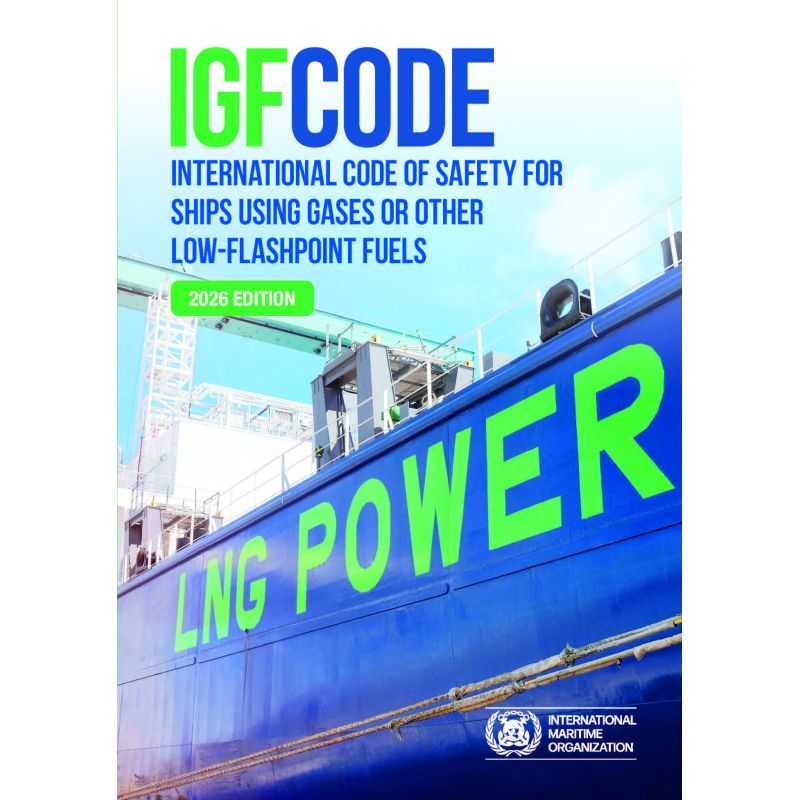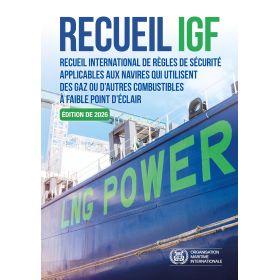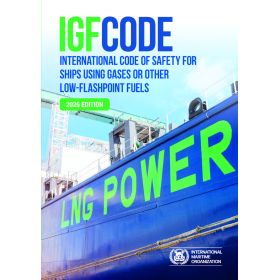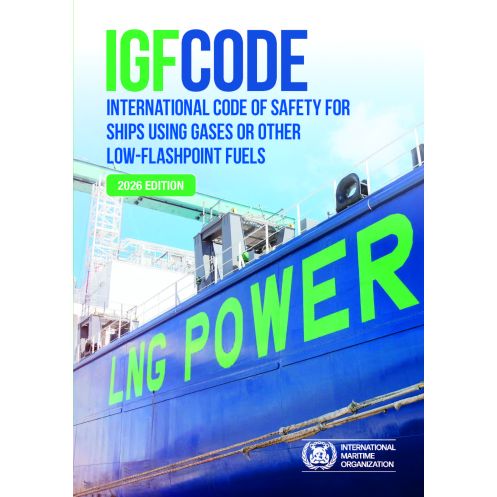

IMO - 109E - IGF Code, International Code of Safety for Ships Using Gases or Other Low-Flashpoint Fuels 2026
search
  • googlemap
  • IMO - 109E - IGF Code, International Code of Safety for Ships Using Gases or Other Low-Flashpoint Fuels 2026

IMO - 109E - IGF Code, International Code of Safety for Ships Using Gases or Other Low-Flashpoint Fuels 2026

€59.30
Tax included
OMI
In English language
Estimated preparation time: 5 to 14 days

The 2016 IGF Code sets mandatory safety standards for ships using gases or low-flashpoint fuels. Covers construction, fuel handling, and fire safety to ensure compliance and protect vessels and crew.

IMO109E

Data sheet

On what digital medium is this nautical chart / book stored?
paper medium
What is the size?
paper medium
Picto
In English language

Specific References

UPC
400000011042
EAN13
4000000025238
New
Description détaillée

IMO IGF Code, International Code of Safety for Ships Using Gases or Other Low-Flashpoint Fuels 2016

Publication in English
Printed book edition

Comprehensive Safety Standards for Modern Maritime Fuel Systems

The *IMO IGF Code, International Code of Safety for Ships Using Gases or Other Low-Flashpoint Fuels 2016* is the definitive international standard for ensuring the safe design, construction, and operation of vessels powered by alternative fuels. As the maritime industry shifts toward cleaner energy sources, this code provides the essential framework to mitigate risks associated with gases and low-flashpoint fuels, safeguarding crews, vessels, and the environment. Developed by the International Maritime Organization (IMO), this mandatory regulation sets the benchmark for compliance in an evolving sector where safety and innovation intersect.

Mandatory Compliance for a New Era of Shipping

Adopted in 2016, the IGF Code addresses the unique challenges posed by fuels such as liquefied natural gas (LNG), methanol, and other low-flashpoint alternatives. Unlike traditional marine fuels, these substances require specialized handling, storage, and safety measures to prevent hazards like leaks, fires, or explosions. The code establishes rigorous requirements for fuel containment systems, ventilation, fire protection, and emergency protocols, ensuring that vessels meet the highest safety standards. For shipowners, operators, and classification societies, adherence to the IGF Code is not just a regulatory obligation—it is a critical step in future-proofing maritime operations.
Engineering and Operational Safeguards

The IGF Code covers every aspect of vessel design and operation, from the initial engineering phases to day-to-day procedures. Key provisions include specifications for fuel storage tanks, piping systems, and pressure control mechanisms to prevent leaks or ruptures. It also mandates advanced fire detection and suppression systems tailored to the properties of low-flashpoint fuels, as well as ventilation strategies to minimize the risk of gas accumulation. Operational guidelines address crew training, fuel transfer procedures, and emergency response plans, ensuring that personnel are equipped to handle potential incidents. By integrating these measures, the code reduces the likelihood of accidents while maintaining operational efficiency.

Environmental and Industry Impact

Beyond safety, the IGF Code plays a pivotal role in supporting the maritime industry’s transition to sustainable fuels. As global emissions regulations tighten, vessels powered by LNG and other low-carbon alternatives are becoming increasingly common. The code provides the technical foundation for this shift, enabling shipbuilders and operators to adopt cleaner fuels without compromising safety. Its provisions also align with broader environmental goals, such as reducing greenhouse gas emissions and preventing pollution. For stakeholders across the maritime supply chain, the IGF Code is an indispensable tool for balancing innovation with risk management.

A Resource for Maritime Professionals

This printed edition of the IGF Code is an essential reference for naval architects, marine engineers, ship operators, and regulatory authorities. Its clear, structured format makes it easy to navigate, whether for compliance checks, training programs, or technical assessments. The publication is also compatible with the IMO’s digital reader, offering flexibility for professionals who prefer electronic access. By consolidating all mandatory requirements in one authoritative source, the IGF Code ensures that industry stakeholders have the guidance they need to implement safe, compliant, and sustainable fuel systems.

Future-Proof Your Vessel with the IMO IGF Code 2016
The *IMO IGF Code, International Code of Safety for Ships Using Gases or Other Low-Flashpoint Fuels 2016* is the cornerstone of maritime safety for vessels transitioning to alternative fuels. As the industry embraces cleaner energy sources like LNG and methanol, this code provides the mandatory framework to ensure safe design, construction, and operation. Developed by the International Maritime Organization (IMO), it sets the global standard for minimizing risks associated with low-flashpoint fuels, protecting crews, vessels, and the environment from potential hazards.
Engineered for Compliance and Safety
This 2016 edition of the IGF Code introduces comprehensive requirements for fuel storage, handling, and emergency systems, tailored to the unique properties of gases and low-flashpoint fuels. It mandates robust containment systems, advanced fire protection measures, and rigorous ventilation protocols to prevent leaks, fires, or explosions. The code also includes detailed guidelines for crew training and operational procedures, ensuring that personnel are prepared to manage risks effectively. With dimensions of 11.70 x 8.25 x 3.00 inches and a lightweight design (1 lb), this printed A4-format publication is a practical, portable resource for maritime professionals.

Designed for the Evolving Maritime Industry
The IGF Code is more than a regulatory document—it is a strategic tool for shipowners, operators, and engineers navigating the shift toward sustainable fuels. By adhering to its standards, vessels can achieve compliance with international safety regulations while supporting environmental goals. The code’s provisions align with the industry’s push to reduce emissions and adopt low-carbon alternatives, making it indispensable for modern maritime operations. Available in a durable printed edition, this publication ensures easy access to critical safety guidelines, whether on board or in the office.

The *IMO IGF Code, International Code of Safety for Ships Using Gases or Other Low-Flashpoint Fuels 2016* is a printed publication in A4 format, measuring 11.70 x 8.25 x 3.00 inches and weighing 1 lb. Published by the IMO in 2016, this new edition provides mandatory international standards for the safe use of alternative fuels in maritime applications.

With a legacy of setting global maritime standards, the publisher behind this code is a leading authority in international shipping regulations. Known for developing comprehensive safety frameworks, their publications are trusted by industry professionals worldwide to ensure compliance, innovation, and operational excellence in the maritime sector.

  • This essential publication delivers unparalleled value for maritime professionals by providing the latest mandatory safety standards for vessels using low-flashpoint fuels.
  • Its clear, structured guidelines simplify compliance, reduce operational risks, and support the industry’s transition to sustainable energy sources.
  • The durable printed format ensures easy reference, while its authoritative content makes it a must-have for shipbuilders, operators, and regulatory bodies.
What is the purpose of the 2016 edition of this safety code?

The 2016 edition provides mandatory international standards for the safe construction, equipment, and operation of ships using gases or other low-flashpoint fuels. It addresses fuel storage, handling, fire safety, and engineering systems to reduce risks to the vessel, crew, and environment.

Is this publication available in languages other than English?

No, this publication is only available in English.

What are the dimensions of the printed version?

The printed version measures 11.70 inches in depth, 8.25 inches in height, and 3.00 inches in width.

How much does the printed version weigh?

The printed version weighs approximately 1 pound.

Can this publication be accessed on any e-reader?

The digital version is locked and can only be read using the free IMO e-reader software.

Does this code apply to all types of ships using low-flashpoint fuels?

Yes, it applies to ships using gases or other low-flashpoint fuels for propulsion or auxiliary purposes, covering safety requirements for their construction, equipment, and operation.

Loading...