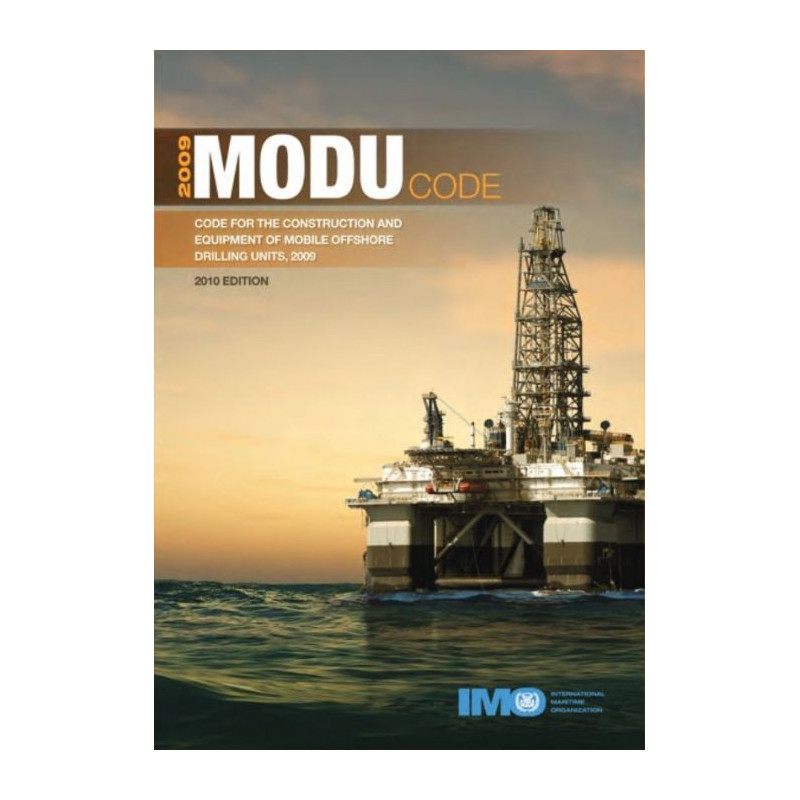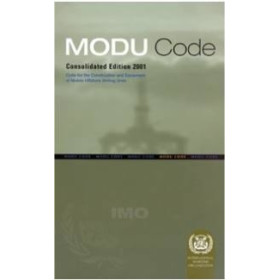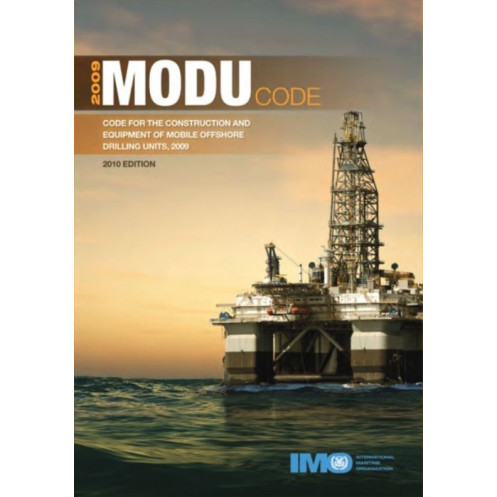



OMI - IMO810Ee - Code for the Construction and Equipment of Mobile Offshore Drilling Units (MODU Code) 2009
search
  • googlemap
  • OMI - IMO810Ee - Code for the Construction and Equipment of Mobile Offshore Drilling Units (MODU Code) 2009

IMO - 810Ee - Code for the Construction and Equipment of Mobile Offshore Drilling Units (MODU Code) 2009

€66.65
Tax included
OMI
Chart or book in digital version In English language
Book programmed to order
Estimated preparation time: 0 to 3 days

Comply with the 2009 MODU Code, the global safety standard for offshore drilling units built since 2012. Digital English edition with amendments through 2017 for seamless operations.

IMO810Ee

Data sheet

On what digital medium is this nautical chart / book stored?
digital medium
download
Picto
Chart or book in digital version
In English language

Specific References

UPC
400000002835
EAN13
4000000010159
New
Book programmed to order
Description détaillée

IMO - 810Ee - Code for the Construction and Equipment of Mobile Offshore Drilling Units (MODU Code) 2009

Publication in English
Digital version

Comprehensive International Standard for Offshore Drilling Safety

The *Code for the Construction and Equipment of Mobile Offshore Drilling Units (MODU Code) 2009* is the definitive international standard for mobile offshore drilling units built from January 1, 2012. Adopted by the International Maritime Organization (IMO) Assembly, this code ensures that MODUs meet rigorous safety requirements, enabling seamless international movement and operation while maintaining safety levels equivalent to those mandated by the SOLAS 1974 Convention and the 1988 Protocol to the Load Lines Convention for conventional ships. Designed for industry professionals, this digital publication provides the latest regulatory framework to enhance operational safety and compliance in offshore drilling.

Regulatory Compliance for Modern Offshore Operations

This digital edition of the MODU Code 2009 is essential for engineers, naval architects, maritime regulators, and offshore operators who require up-to-date guidelines for constructing and equipping mobile offshore drilling units. It replaces earlier versions (MODU Codes 1979 and 1989) for units built after 2012, ensuring alignment with contemporary safety and environmental standards. The code addresses critical aspects of design, structural integrity, fire protection, lifesaving appliances, and operational procedures, making it a cornerstone for safe and efficient offshore drilling.

Updated and Accessible Digital Format

The 2020 edition of the MODU Code 2009 includes all amendments adopted through 2017, such as MSC.359(92), MSC.384(94), MSC.387(94), MSC.407(96), and MSC.435(98). Available as a secure digital download, this version is compatible with the free IMO e-reader, offering professionals instant access to the latest regulatory updates. With 215 pages of detailed technical guidance, this publication is an indispensable resource for ensuring compliance and operational excellence in the offshore industry.

Global Safety Framework for Offshore Drilling Units

The MODU Code 2009 plays a pivotal role in harmonizing safety standards across the global offshore drilling sector. By establishing uniform requirements for construction, equipment, and operations, it facilitates international cooperation and regulatory consistency. Whether for new builds or retrofitting existing units, this code provides the technical foundation to mitigate risks, enhance crew safety, and protect the marine environment. Stay ahead of regulatory changes and industry best practices with this authoritative digital reference.

Ensure Compliance and Safety with the Latest MODU Code 2009 Digital Edition
The *Code for the Construction and Equipment of Mobile Offshore Drilling Units (MODU Code) 2009* is the gold standard for offshore drilling safety, adopted by the International Maritime Organization (IMO) to regulate units built from 2012 onward. This digital publication provides the most current framework for designing, constructing, and operating MODUs, ensuring they meet or exceed the safety levels required by the SOLAS 1974 Convention and the 1988 Load Lines Protocol. With its comprehensive guidelines, this code is indispensable for maritime professionals who prioritize safety, compliance, and operational efficiency in offshore environments.

Stay Updated with the Latest Amendments and Technical Guidance
This 2020 digital edition of the MODU Code 2009 incorporates all critical amendments through 2017, including MSC.359(92), MSC.384(94), MSC.387(94), MSC.407(96), and MSC.435(98). Designed for engineers, naval architects, and offshore operators, it offers 215 pages of detailed technical specifications covering structural integrity, fire protection, lifesaving equipment, and operational procedures. The secure digital format ensures instant access to the latest regulatory updates, making it easier than ever to maintain compliance and implement best practices in offshore drilling.

Seamless Access to Regulatory Excellence in Offshore Drilling
Available as a downloadable e-book compatible with the free IMO e-reader, this digital version of the MODU Code 2009 is tailored for professionals who need reliable, up-to-date information at their fingertips. Whether you're involved in the design, construction, or operation of mobile offshore drilling units, this publication provides the technical foundation to navigate complex regulatory landscapes. By adhering to the MODU Code 2009, you ensure that your operations align with international safety standards, reducing risks and enhancing the safety of crew and equipment in offshore environments.

The *Code for the Construction and Equipment of Mobile Offshore Drilling Units (MODU Code) 2009* is a digital publication featuring 215 pages of technical guidelines. Published in May 2020, this edition includes all amendments through 2017 and is available in English. It applies to MODUs constructed on or after January 1, 2012, and aligns with the safety standards of the SOLAS 1974 Convention and the 1988 Load Lines Protocol. The secure digital format is compatible with the free IMO e-reader, ensuring easy access for maritime professionals.

With a legacy of providing authoritative maritime publications, this organization sets the global standard for safety and regulatory compliance in the shipping and offshore industries. Their digital publications offer professionals instant access to the latest technical guidelines, ensuring operational excellence and adherence to international maritime regulations.

  • This digital edition of the MODU Code 2009 ensures compliance with the latest international safety standards for offshore drilling units, incorporating all critical amendments through 2017. Its secure, downloadable format provides instant access to 215 pages of technical guidance, making it an essential resource for engineers, naval architects, and offshore operators. By aligning with SOLAS 1974 and the 1988 Load Lines Protocol, this publication enhances operational safety, reduces risks, and facilitates global regulatory consistency for MODUs built from 2012 onward.
What is the applicable date range for units covered under this code?

This code applies to mobile offshore drilling units (MODU) constructed on or after January 1, 2012. For units built before this date, the 1979 or 1989 MODU codes apply depending on the construction date.

Is this publication compatible with any e-reader device?

No, this digital publication is in a locked format and requires the free IMO e-reader to access the content.

Are there any amendments included in this 2020 edition?

Yes, this edition includes amendments adopted up to 2017: MSC.359(92) (2013), MSC.384(94) and MSC.387(94) (2014), MSC.407(96) (2016), and MSC.435(98) (2017).

How many pages does this digital version contain?

The digital version contains 215 pages.

Does this code align with other maritime safety conventions?

Yes, it ensures a safety level equivalent to the SOLAS 1974 Convention and the 1988 Protocol relating to the 1966 Load Lines Convention for conventional ships.

Where can I find corrections or updates for this publication?

Errata and updates are available on the IMO’s official website.

Loading...