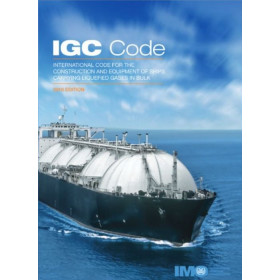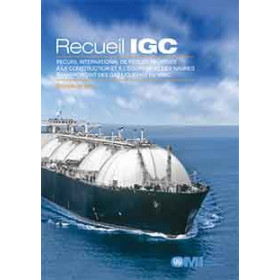



OMI - IMO782Ee - Code for the Construction and Equipment of Ships Carrying Liquefied Gases in Bulk (GC Code)

search
  • googlemap
  • OMI - IMO782Ee - Code for the Construction and Equipment of Ships Carrying Liquefied Gases in Bulk (GC Code)

IMO - 782Ee - Code for the Construction and Equipment of Ships Carrying Liquefied Gases in Bulk (GC Code)

€30.60
Tax included
OMI
Chart or book in digital version In English language
Book programmed to order
Estimated preparation time: 0 to 3 days

Meet global safety standards for liquefied gas carriers with this digital GC Code, covering construction, equipment, and design for ships built between 1976 and 1986. In English.

IMO782Ee

Data sheet

On what digital medium is this nautical chart / book stored?
digital medium
download
Picto
Chart or book in digital version
In English language

Specific References

UPC
400000002781
EAN13
4000000010104
New
Book programmed to order
Description détaillée

IMO GC Code – Construction and Equipment of Ships Carrying Liquefied Gases in Bulk

Publication in English
Digital version

International Safety Standards for Liquefied Gas Transport

The *IMO GC Code* sets the benchmark for maritime safety in the bulk transport of liquefied gases and other hazardous substances. Designed to protect vessels, crews, and the marine environment, this code establishes rigorous construction and equipment requirements for gas carriers. By adhering to these standards, shipping professionals ensure compliance with global regulations while mitigating operational risks in one of the most demanding sectors of maritime trade.

Comprehensive Framework for Gas Carrier Design

This digital publication provides an in-depth technical framework for the design, construction, and outfitting of liquefied gas carriers. It covers structural integrity, cargo containment systems, and safety equipment, offering clear guidelines to engineers, naval architects, and shipbuilders. The code’s provisions address critical aspects such as material selection, pressure management, and emergency response protocols, ensuring vessels meet the highest safety and performance standards.

Applicability and Regulatory Compliance

The *GC Code* applies to gas carriers constructed between December 31, 1976, and July 1, 1986, making it a key reference for vessels operating within this timeframe. This 1983 edition includes Amendments 1 to 4, along with the 1994 resolution MSC.32(63), which became effective on July 1, 1998. A supplementary section outlines the code’s minimum requirements, providing a concise yet thorough overview for quick reference and compliance verification.

Essential Resource for Maritime Professionals

Tailored for shipowners, classification societies, port state control authorities, and maritime safety inspectors, this digital edition delivers unparalleled convenience and accessibility. The 145-page e-book is compatible with the free IMO reader, allowing professionals to access critical regulations anytime, anywhere. Whether for design validation, operational planning, or regulatory audits, this publication is an indispensable tool for ensuring safe and efficient liquefied gas transportation.

Optimized for Digital Use

Available in a fully digital format, this edition eliminates the need for physical storage while ensuring instant access to up-to-date regulatory content. The e-book’s structured layout and searchable text streamline navigation, enabling users to quickly locate specific sections, amendments, or technical details. Ideal for professionals who require reliable, on-demand access to maritime safety standards, this publication combines regulatory rigor with modern digital efficiency.

Ensure Compliance and Safety with the IMO GC Code for Liquefied Gas Carriers
The *IMO GC Code* is the definitive international standard for the construction and equipment of ships transporting liquefied gases in bulk. Developed to address the unique risks associated with gas carriage, this code provides a robust framework for vessel design, structural integrity, and safety systems. By integrating these guidelines, maritime professionals can ensure their operations align with global safety regulations while minimizing environmental and operational hazards.

Comprehensive Coverage for Gas Carrier Construction and Outfitting
This digital publication offers a detailed technical roadmap for the construction and equipping of liquefied gas carriers. It specifies requirements for cargo containment systems, pressure management, material selection, and emergency response measures. With 145 pages of expert guidance, the code serves as an essential reference for naval architects, engineers, and shipbuilders tasked with designing vessels that meet the highest safety and performance benchmarks.

Regulatory Compliance for Vessels Built Between 1976 and 1986
Applicable to gas carriers constructed from December 31, 1976, to July 1, 1986, this 1983 edition of the *GC Code* includes critical amendments and updates. It incorporates Amendments 1 to 4, as well as the 1994 resolution MSC.32(63), which took effect on July 1, 1998. A supplementary section summarizes the code’s minimum requirements, providing a quick-reference tool for compliance verification and operational planning.

Digital Accessibility for Maritime Professionals
Optimized for digital use, this e-book offers instant access to the *GC Code* through the free IMO reader. Its searchable format and structured layout allow professionals to efficiently navigate complex regulations, making it ideal for shipowners, classification societies, and safety inspectors. Whether for design validation, operational audits, or regulatory reviews, this publication delivers the precision and convenience required in today’s fast-paced maritime industry.

The *IMO GC Code* is a digital publication in English, published in 1983, with 145 pages of technical guidelines. It applies to liquefied gas carriers constructed between December 31, 1976, and July 1, 1986, and includes Amendments 1 to 4, as well as the 1994 resolution MSC.32(63), effective July 1, 1998. This e-book is compatible with the free IMO reader, ensuring seamless access to critical regulatory content.

With a long-standing reputation in maritime regulation, this organization sets global standards for safety, security, and environmental protection in international shipping. Its publications are trusted by industry professionals worldwide, providing authoritative guidance for compliance, operational efficiency, and risk management in the maritime sector.

  • The *IMO GC Code* offers unmatched precision and reliability for professionals involved in the design, construction, and operation of liquefied gas carriers.
  • Its digital format ensures instant access to up-to-date regulations, while its comprehensive technical guidelines minimize operational risks and enhance compliance.
  • The inclusion of key amendments and a supplementary summary of minimum requirements makes it an indispensable resource for ensuring safety and regulatory adherence in gas transportation.
What types of ships does this code apply to?

This code applies to ships constructed from December 31, 1976, but before July 1, 1986, specifically designed for carrying liquefied gases in bulk.

Are there any amendments included in this edition?

Yes, this edition includes amendments 1 to 4, as well as the 1994 resolution MSC.32(63), which became effective on July 1, 1998.

How many pages does the digital version contain?

The digital version contains 145 pages.

Is a specific reader required to access the digital version?

Yes, the digital version can be read using the free reader provided by the publisher.

What is the publication date of this edition?

This edition was published in January 1983.

Does this code cover safety measures for the crew?

Yes, it prescribes design and construction standards, as well as required equipment, to minimize risks for the ship, crew, and environment.

Loading...