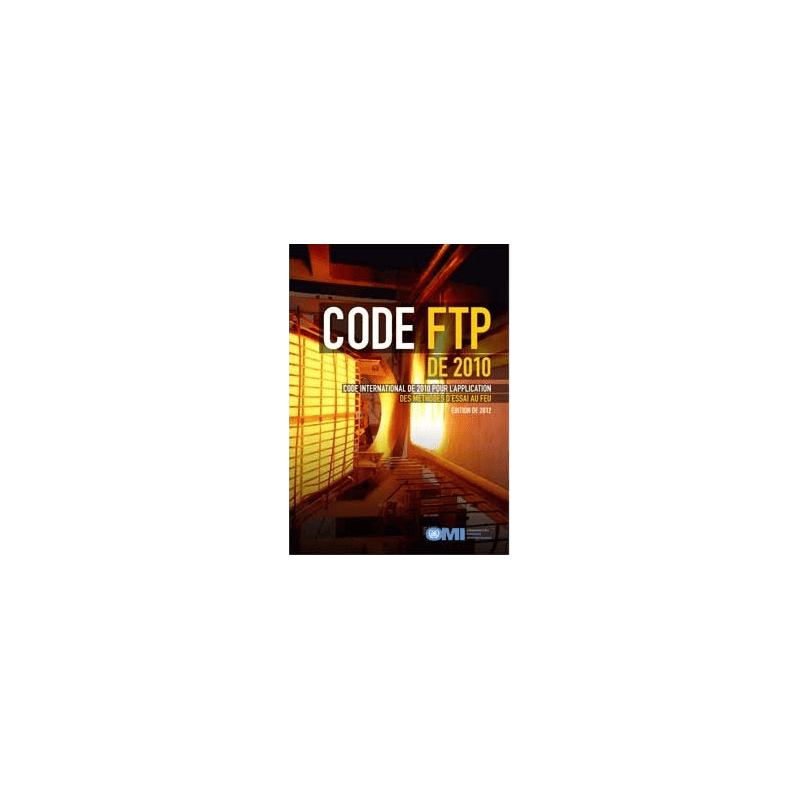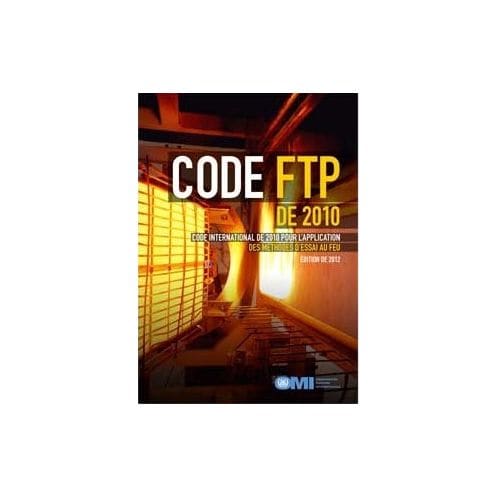





Digital guide to international fire testing standards for maritime safety. Includes lab tests, type approvals, and fire resistance procedures for SOLAS-regulated products. In French.
Data sheet
Specific References
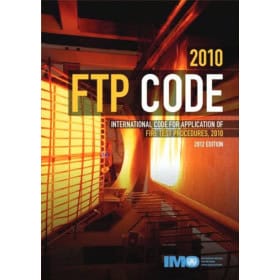
The International FTP Code for the Application of Fire Testing Procedures is the definitive digital reference for maritime fire safety. Designed to meet the rigorous demands of the commercial shipping industry, this publication provides internationally recognized standards for laboratory testing, type approval, and fire testing procedures. It ensures compliance with the latest safety regulations, offering a robust framework for evaluating materials and systems used in ship construction and operation.
This digital edition fully revises and updates the previous 1996 code, incorporating the latest amendments to the Safety of Life at Sea (SOLAS) Convention. Mandatory since July 1, 2012, it sets the benchmark for fire safety in maritime environments. The code covers a wide range of critical tests, including non-combustibility, smoke and toxicity assessments, and fire resistance for class "A," "B," and "F" bulkheads. It also addresses fire door control systems, surface flammability, and specialized requirements for high-speed vessels, ensuring comprehensive protection across all vessel types.
Engineered for professionals in the maritime sector, this publication outlines detailed testing protocols for a variety of materials and components. From vertically supported textiles and films to upholstered furniture, bedding components, and fire-restrictive materials for high-speed ships, it provides clear guidelines for evaluating fire performance. The code also includes specifications for deck coverings, bulkhead fire resistance, and other critical safety features, making it an indispensable resource for shipbuilders, naval architects, and safety inspectors.
Available in a secure digital format, this publication is designed for easy access and reliable use. The locked format ensures the integrity of the content while requiring the free IMO reader for viewing. This digital approach enhances accessibility, allowing professionals to quickly reference standards and procedures, whether in the office, on board, or in the field. It is an essential tool for ensuring compliance with international fire safety regulations and maintaining the highest standards of maritime safety.
Elevate Maritime Fire Safety with the International FTP Code Digital Edition
The International FTP Code for the Application of Fire Testing Procedures is the cornerstone of fire safety compliance in the maritime industry. This digital publication delivers the latest international standards for laboratory testing, type approval, and fire testing procedures, ensuring that materials and systems used in ship construction meet the highest safety benchmarks. Aligned with SOLAS Chapter II-2, it provides a comprehensive framework for evaluating fire performance, making it an indispensable resource for shipbuilders, naval architects, and safety professionals.
Comprehensive Testing Protocols for Critical Maritime Applications
This digital edition covers a wide range of fire testing procedures, including non-combustibility, smoke and toxicity assessments, and fire resistance for class "A," "B," and "F" bulkheads. It also includes detailed guidelines for testing vertically supported textiles, upholstered furniture, bedding components, and fire-restrictive materials for high-speed vessels. With 281 pages of expertly curated content, this publication ensures that every aspect of fire safety is addressed, from surface flammability to fire door control systems.
Mandatory Compliance with the Latest SOLAS Amendments
Adopted with amendments to the SOLAS Convention, this code became mandatory on July 1, 2012, setting the standard for fire safety in the maritime industry. It fully revises and updates the previous 1996 edition, incorporating the latest advancements in fire testing technology and safety regulations. Professionals can rely on this publication to ensure compliance with international standards and to implement the most effective fire safety measures on board.
Secure and Accessible Digital Format for Professionals
Available in a secure digital format, this publication is designed for seamless access and reliable use. The locked format ensures the integrity of the content while requiring the free IMO reader for viewing. This digital approach enhances accessibility, allowing professionals to quickly reference standards and procedures, whether in the office, on board, or in the field. It is the ultimate tool for maintaining compliance and ensuring the highest levels of fire safety in maritime operations.
The International FTP Code for the Application of Fire Testing Procedures is available in a digital format, offering immediate access to critical fire safety standards. Published in French, this 2010 edition was released in January 2012 and spans 281 pages of detailed guidelines and testing protocols. The digital file is optimized for use with the free IMO reader, ensuring secure and reliable access to the latest fire safety regulations for the maritime industry.
With a long-standing reputation for excellence in maritime safety and regulatory publications, this organization is a trusted authority in the shipping industry. Their publications provide essential guidelines and standards that ensure compliance with international regulations, helping professionals maintain the highest levels of safety and operational efficiency in maritime environments.
The digital format is locked and requires the free reader provided by the publisher for access.
It includes non-combustibility, smoke and toxicity, fire-resistant bulkheads (A, B, and F classes), door control systems, surface flammability, textiles, upholstered furniture, bedding components, and fire-restrictive materials for high-speed vessels.
Yes, it was adopted with SOLAS amendments, making it mandatory with an effective date of July 1, 2012.
The document contains 281 pages.
Yes, it comprehensively revises and updates the previous code adopted in 1996.
Yes, it includes fire-restrictive materials and fire-resistant bulkheads specifically for high-speed vessels.
You might also like