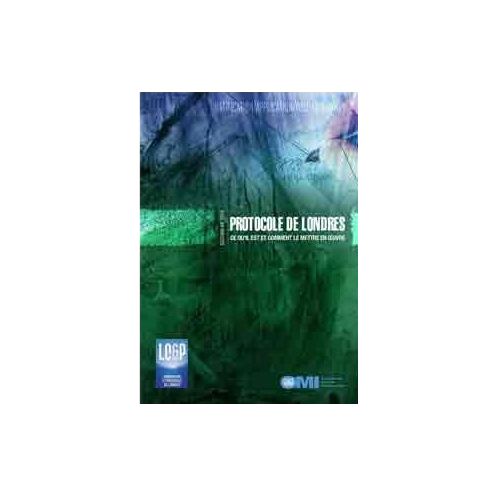





Understand the London Protocol’s legal, technical, and economic impacts with this digital handbook. Designed for governments, particularly in developing countries, to ensure effective implementation.
Data sheet
Specific References
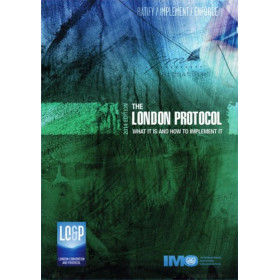
The London Protocol – What It Is and How to Implement It is a critical resource for maritime authorities, policymakers, and industry stakeholders navigating the complexities of marine environmental protection. This digital publication, issued by the International Maritime Organization (IMO), delivers a comprehensive overview of the 1996 London Protocol, a key international treaty governing the prevention of marine pollution by controlling the dumping of wastes and other matter at sea. Designed to support governments—particularly those in developing nations—this guide clarifies the technical, legal, and economic implications of ratifying, implementing, and enforcing the Protocol, ensuring compliance with global maritime standards.
This publication goes beyond theoretical explanations by offering actionable guidance on the practical steps required to adopt the London Protocol. It breaks down the treaty’s requirements, including the assessment of waste materials, permitting procedures, and monitoring obligations, making it an indispensable tool for maritime administrations and environmental agencies. The digital format ensures instant access to up-to-date information, allowing professionals to reference critical details without delay. Whether for drafting national legislation, training personnel, or conducting environmental impact assessments, this resource streamlines the implementation process while aligning with international best practices.
Developed with a focus on accessibility, this guide addresses the unique challenges faced by governments, especially in regions where resources may be limited. It provides clear explanations of the Protocol’s legal framework, economic considerations, and technical procedures, empowering decision-makers to make informed choices. Maritime industry professionals, including port authorities, shipping companies, and environmental consultants, will find this publication invaluable for understanding their roles in preventing marine pollution. By bridging the gap between global regulations and local implementation, it fosters a unified approach to protecting ocean ecosystems while supporting sustainable maritime operations.
Available in a secure digital format, this publication is designed for seamless integration into modern workflows. Compatible with the IMO’s free reader, it ensures reliable access across devices, making it ideal for professionals on the go. The 2014 edition remains a relevant reference, offering timeless insights into the Protocol’s application while reflecting the latest interpretations of its provisions. For those seeking a physical copy, a print version is also available, but the digital edition provides unmatched convenience and searchability for quick reference during critical operations.
Navigate the London Protocol with Confidence
The *London Protocol – What It Is and How to Implement It* is the definitive digital guide for maritime professionals tasked with upholding international environmental standards. Published by the International Maritime Organization (IMO) in 2014, this 84-page French-language resource demystifies the 1996 London Protocol, a cornerstone treaty regulating the dumping of wastes at sea. It equips governments—especially in developing nations—with the tools to assess the technical, legal, and economic impacts of ratification, ensuring seamless compliance with global maritime regulations. Whether you’re drafting national policies, conducting environmental assessments, or training personnel, this publication provides the clarity and precision needed to implement the Protocol effectively.
Actionable Guidance for Real-World Application
Unlike generic overviews, this guide delivers practical, step-by-step instructions for applying the London Protocol’s provisions. It covers critical aspects such as waste assessment procedures, permitting requirements, and monitoring obligations, transforming complex legal language into actionable strategies. The digital format, compatible with the IMO’s free reader, ensures secure and instant access, making it an indispensable resource for maritime authorities, environmental agencies, and industry stakeholders. By focusing on real-world implementation, it bridges the gap between international mandates and local execution, helping professionals avoid costly compliance pitfalls.
Designed for Accessibility and Efficiency
Tailored to meet the needs of busy professionals, this publication prioritizes clarity and usability. Its concise 84-page structure distills essential information without overwhelming readers, while the digital format allows for quick searches and cross-referencing. Whether you’re a policymaker in a developing nation or a maritime consultant advising clients, this guide provides the insights needed to align operations with the London Protocol’s requirements. The 2014 edition remains a trusted reference, offering timeless guidance on one of the maritime industry’s most critical environmental frameworks.
This digital publication, released in January 2014, spans 84 pages and is presented in French. It is published by the International Maritime Organization (IMO) and is available in a secure, locked format, accessible exclusively through the IMO’s free reader software. The 2014 edition provides up-to-date interpretations of the 1996 London Protocol, ensuring relevance for modern maritime operations.
With a legacy of shaping global maritime standards, the publisher behind this publication is a leading authority in international shipping regulations. Renowned for producing authoritative guides and technical resources, it supports governments, industry professionals, and environmental agencies in navigating complex legal and operational frameworks. Its publications are trusted worldwide for their accuracy, practicality, and alignment with evolving maritime policies.
This guide provides technical, economic, and legal insights to help governments, especially in developing countries, understand the implications of ratifying, implementing, and enforcing the 1996 London Protocol.
No, the digital version is locked and can only be read using the free official reader provided by the publisher.
The digital version contains 84 pages.
The digital version is locked and does not allow printing or copying of content to ensure compliance with usage restrictions.
This edition was published in January 2014.
The content is identical in both versions, but the digital version is locked and requires a specific reader, while the paper version is a physical book.
You might also like