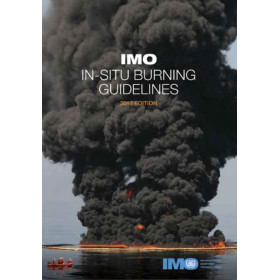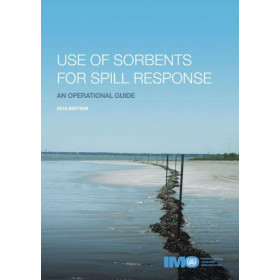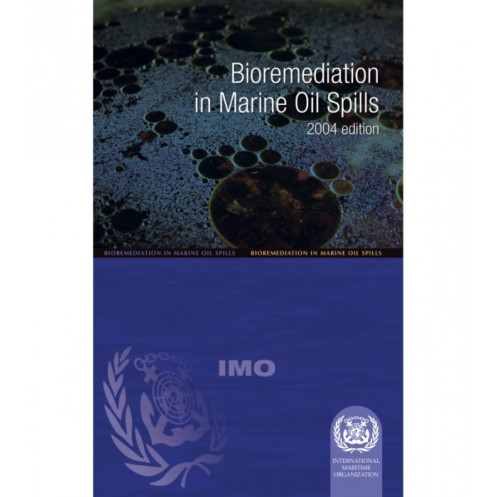





Essential 2016 guidelines for assessing and removing sunken or submerged oil, offering expert techniques for maritime spill response. A must-have digital resource for professionals.
Data sheet
Specific References
Cutting-Edge Digital Guide for Submerged Oil Spill Response
This digital publication is the definitive resource for professionals tackling the complexities of sunken and submerged oil assessment and removal. Developed in 2016, it provides a structured, science-driven approach to one of the most challenging aspects of maritime environmental protection. Designed for instant access, the digital format ensures responders have critical guidelines at their fingertips during high-pressure scenarios, from initial spill detection to final cleanup phases.
Comprehensive Framework for Real-World Application
With 53 pages of expert-curated content, this guide covers every phase of submerged oil response, including assessment methodologies, removal techniques, and environmental safeguards. It integrates lessons from historic spills, offering field-tested protocols that adapt to diverse conditions—whether dealing with heavy fuel oil in deep waters or lighter hydrocarbons in coastal zones. The publication emphasizes data-driven decision-making, helping teams prioritize actions based on spill dynamics, water depth, and ecological sensitivity.
Optimized for Maritime and Environmental Professionals
Tailored for spill response teams, environmental consultants, and regulatory agencies, this document bridges the gap between theory and practice. It includes decision matrices to streamline response planning, risk assessment tools to evaluate environmental trade-offs, and monitoring protocols to ensure accountability. The digital format supports seamless integration into existing response frameworks, making it an indispensable tool for compliance with international maritime standards.
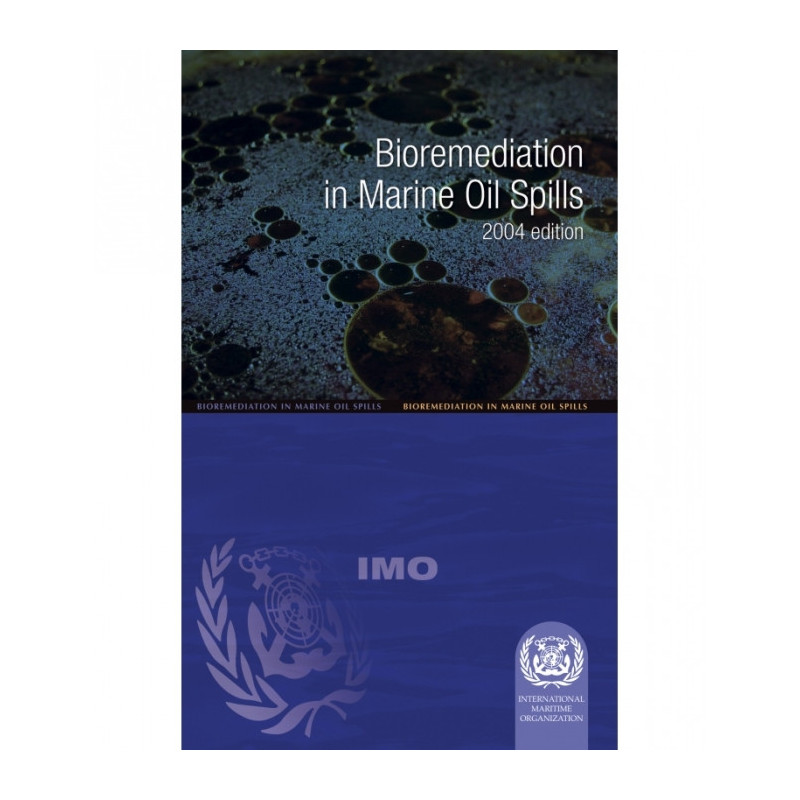
This digital publication is available in PDF format, compatible with Adobe Reader, ensuring universal accessibility across devices. Published in 2005 with an edition from 2004, it spans 53 pages of expert guidance in English. As a locked digital version, it requires the free IMO e-reader for secure access, making it ideal for professionals who need reliable, portable reference material.
With a legacy of setting global standards for maritime safety and environmental protection, this organization is the leading authority in international shipping regulations. Its publications are trusted by governments, industry leaders, and environmental agencies worldwide, providing science-backed solutions to complex challenges in marine operations and pollution response.
The guidelines were inspired by major oil spill incidents such as Amoco Cadiz, Exxon Valdez, Braer, Sea Empress, Erika, and Prestige, focusing on shoreline cleanup strategies.
Yes, the publication provides clear criteria for evaluating when bioremediation may be considered as a cleanup method after oil spills.
No, it does not address the treatment of waste resulting from oil spills.
The e-book is compatible with Adobe Reader and requires the free IMO e-reader for access.
The document contains 53 pages.
No, it is only available in English.
You might also like