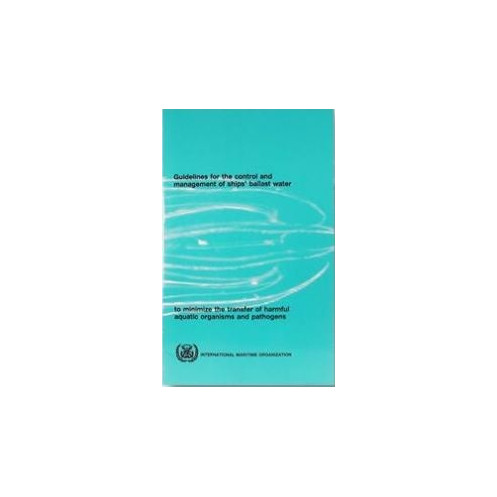




Official IMO guidelines to control and manage ship ballast water, minimizing risks from invasive aquatic species. A must-have resource for maritime professionals and regulatory bodies.
Data sheet
Specific References
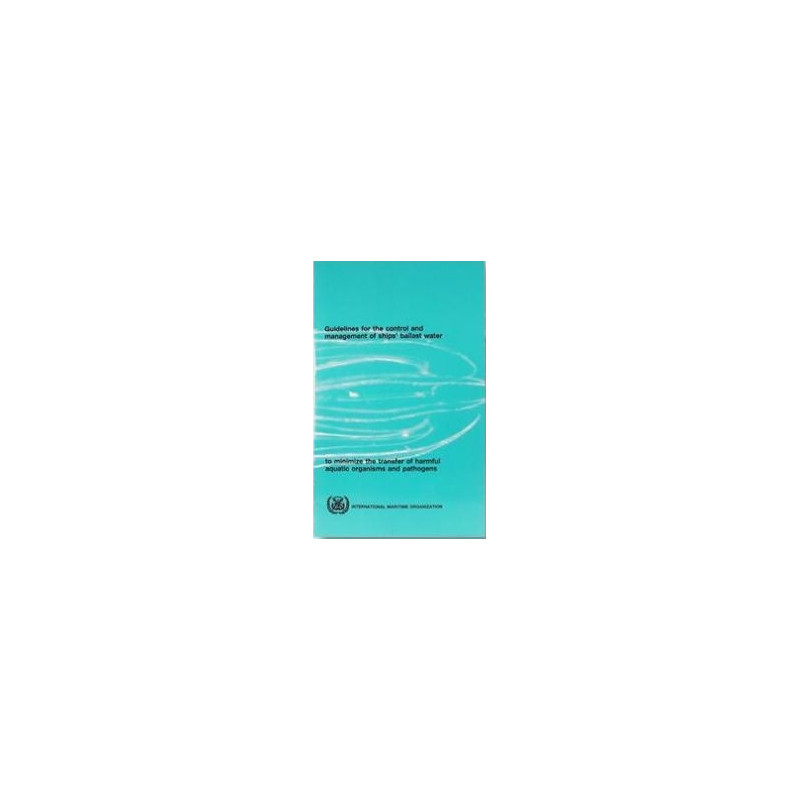
Protecting marine ecosystems while ensuring operational safety is a critical challenge for the maritime industry. These IMO Guidelines for the Control and Management of Ships' Ballast Water provide the definitive framework to minimize the transfer of harmful aquatic organisms and pathogens through ballast water. Adopted under Resolution A.868(20) in November 1997, this publication remains a cornerstone for regulatory compliance and environmental stewardship in shipping.
Designed for governments, port authorities, ship operators, and maritime professionals, these guidelines offer a structured approach to ballast water management. They address the risks posed by invasive species and pathogens, which can disrupt local ecosystems, harm biodiversity, and impact coastal economies. By implementing these measures, stakeholders can align with international standards while safeguarding vessel safety and operational efficiency.
The guidelines outline best practices for ballast water exchange, treatment, and sediment management. They emphasize proactive measures such as mid-ocean exchange, where feasible, and the use of approved ballast water treatment systems. The publication also highlights the importance of record-keeping and reporting to ensure transparency and accountability in compliance efforts.
Available in a secure digital format, this publication is optimized for use with the official IMO reader, ensuring seamless access for maritime professionals worldwide. The digital version eliminates the need for physical storage, providing instant access to critical guidelines whether onboard or ashore. This format is ideal for fleets, training institutions, and regulatory bodies seeking efficient, eco-friendly solutions.
Since their adoption, these guidelines have shaped national and regional regulations, influencing ballast water management practices across the globe. They serve as a reference for the International Convention for the Control and Management of Ships' Ballast Water and Sediments (BWM Convention), which entered into force in 2017. By adhering to these standards, the maritime industry contributes to the preservation of marine environments while maintaining the flow of global trade.
This essential resource is tailored for:
As environmental regulations evolve, these guidelines provide a foundation for adapting to new challenges. They support the industry's transition toward sustainable practices, ensuring that vessels remain compliant with emerging standards while minimizing their ecological footprint. By integrating these measures into daily operations, maritime stakeholders can demonstrate their commitment to environmental responsibility and operational excellence.
Master the Global Standards for Ballast Water Management
Ensure compliance and environmental protection with the IMO Guidelines for the Control and Management of Ships' Ballast Water, the definitive resource for minimizing the transfer of harmful aquatic organisms. Adopted under Resolution A.868(20) in 1997, this publication provides a comprehensive framework for governments, ship operators, and maritime authorities to mitigate ecological risks while maintaining operational safety. With over 20 years of industry adoption, these guidelines remain the benchmark for ballast water management practices worldwide.
Digital Convenience for Modern Maritime Professionals
Access critical guidelines anytime, anywhere with this secure digital publication, designed for use with the official IMO reader. The digital format ensures instant access to up-to-date information, eliminating the need for physical copies and reducing environmental impact. Ideal for fleets, training programs, and regulatory bodies, this version streamlines compliance efforts while supporting sustainable maritime operations.
Proactive Measures for Ecosystem Protection
The guidelines detail best practices for ballast water exchange, treatment, and sediment management, including mid-ocean exchange protocols and the use of approved treatment systems. By implementing these strategies, maritime stakeholders can prevent the introduction of invasive species and pathogens, which pose significant threats to marine biodiversity and coastal economies. The publication also emphasizes the importance of record-keeping and reporting, ensuring transparency and accountability in compliance efforts.
Foundation for Global Regulatory Compliance
As the precursor to the International Convention for the Control and Management of Ships' Ballast Water and Sediments (BWM Convention), these guidelines have shaped national and regional regulations worldwide. They provide a roadmap for aligning with international standards, helping the maritime industry meet its environmental obligations while facilitating the smooth flow of global trade. Whether you're a shipowner, port authority, or environmental agency, this publication is an indispensable tool for navigating the complexities of ballast water management.
This publication is available in a secure digital format, optimized for use with the official IMO reader. Originally adopted under Resolution A.868(20) in November 1997, it provides guidelines in English and was first published in 1998. The digital version ensures easy access and compliance with international ballast water management standards.
With a legacy of shaping global maritime standards, the publisher behind this publication is a leading authority in the development of regulations and guidelines for the shipping industry. Their work supports safety, environmental protection, and operational efficiency, making their resources essential for maritime professionals worldwide.
The publication is based on resolution A.868(20), adopted in November 1997 by the International Maritime Organization.
No, this publication is only available in English.
The digital version is locked and can only be read using the free IMO reader, with no printing or sharing capabilities.
Governments, maritime authorities, shipmasters, operators, owners, port authorities, and other stakeholders involved in ballast water management and marine safety.
This edition was published in 1998, and no newer editions have been released as of now.
The guidelines aim to minimize the transfer of harmful aquatic organisms and pathogens through ship ballast water and associated sediments while ensuring ship safety.
You might also like